
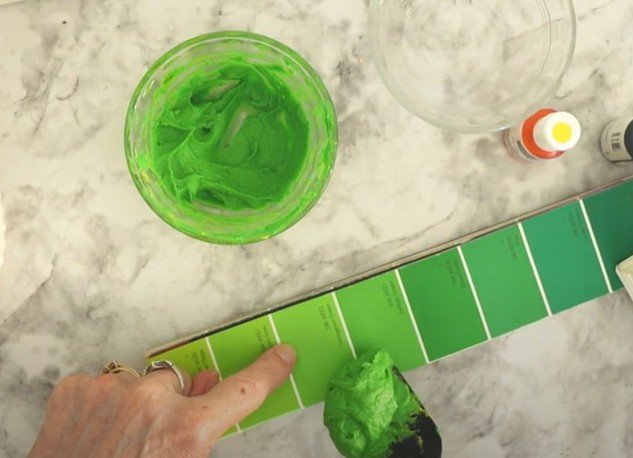

Green is one of the most desirable—and deceptive—colors in food.
It instantly signals freshness, health, and a connection to nature. A green smoothie feels nutritious. A mint dessert feels cooling. A plant-based snack looks cleaner and more wholesome.
But behind that simple perception lies one of the most complex challenges in food formulation. Creating a stable, appealing green—naturally—is not easy. And that’s why green food color manufacturers and natural food color manufacturers play such a critical role in today’s food industry.
Why Green Is So Important in Food
Green carries strong visual and emotional associations.
It represents:
- Freshness and natural ingredients
- Health and wellness
- Plant-based and sustainable products
With the rise of clean-label and plant-based trends, the demand for green shades has increased significantly across categories.
But while demand is high, supply isn’t simple.
Why Natural Green Is So Difficult to Achieve
Unlike yellow or orange, green pigments are highly sensitive.
They tend to:
- Break down under heat
- Fade when exposed to light
- React to acidic environments
- Lose vibrancy over time
This makes green one of the hardest colors to stabilize in real-world food systems—especially in products with long shelf lives or complex processing conditions.
Common Sources Used by Green Food Color Manufacturers
To create green shades naturally, manufacturers rely on a few key sources.
1. Chlorophyll
Extracted from leafy greens like spinach and alfalfa.
Strength:
- Direct and natural green shade
Limitation:
- Highly sensitive to heat and pH
2. Spirulina
A blue-green algae widely used for its pigment.
Strength:
- Brighter and more vibrant shades
Limitation:
- Not suitable for acidic or high-heat applications
3. Blended Systems
Combining yellow and blue natural pigments.
Strength:
- Better control over shade and stability
Limitation:
- Requires careful formulation
Each option comes with trade-offs, which is why expertise matters.
The Role of Green Food Color Manufacturers
Green food color manufacturers focus specifically on solving these challenges.
Their work involves:
- Selecting the right pigment source
- Enhancing stability through processing
- Developing blends for improved performance
- Testing colors across different food systems
They often work closely with food brands to tailor solutions based on the product’s requirements.
Because what works in a dairy product may fail in a beverage.
The Broader Role of Natural Food Color Manufacturers
While green is one of the most complex shades, it exists within the larger world of natural food colors.
Natural food color manufacturers handle a wide spectrum of colors—red, yellow, orange, blue, and more—each with its own challenges.
Their role goes beyond supply:
- Standardizing raw materials
- Ensuring batch-to-batch consistency
- Meeting global regulatory requirements
- Supporting product reformulation
In many cases, they act as technical partners, helping brands transition from synthetic to natural systems.
Why Expertise Matters More Than Ever
Natural colors are not plug-and-play ingredients.
Their success depends on:
- The product’s pH level
- Processing conditions like heat and pressure
- Shelf life expectations
- Interaction with other ingredients
Without the right approach, colors can fade, shift, or become unstable—affecting both appearance and consumer perception.
This is why choosing the right manufacturer is critical.
Applications of Natural Green Food Colors
Despite the challenges, natural green colors are widely used across industries:
- Beverages: Smoothies, health drinks (with controlled pH)
- Dairy: Ice creams, flavored yogurts
- Bakery: Frostings and decorations
- Confectionery: Gummies, candies
- Savory foods: Sauces, seasonings
Each application requires a tailored solution to maintain color stability.
The Future of Green and Natural Food Colors
The demand for natural food colors is only going to grow stronger.
As technology advances, we can expect:
- More stable green pigment solutions
- Improved resistance to heat and light
- Better compatibility with acidic systems
- Wider shade options for different applications
Green, in particular, will continue to drive innovation due to its complexity.
Final Thoughts
Green food color represents both the promise and the challenge of natural ingredients.
It delivers strong visual appeal and aligns perfectly with modern consumer expectations—but it also requires deep technical expertise to get right.
That’s where green food color manufacturers and natural food color manufacturers make the real difference.
Because in today’s food industry, success isn’t just about creating color—it’s about creating color that lasts, performs, and builds trust.