
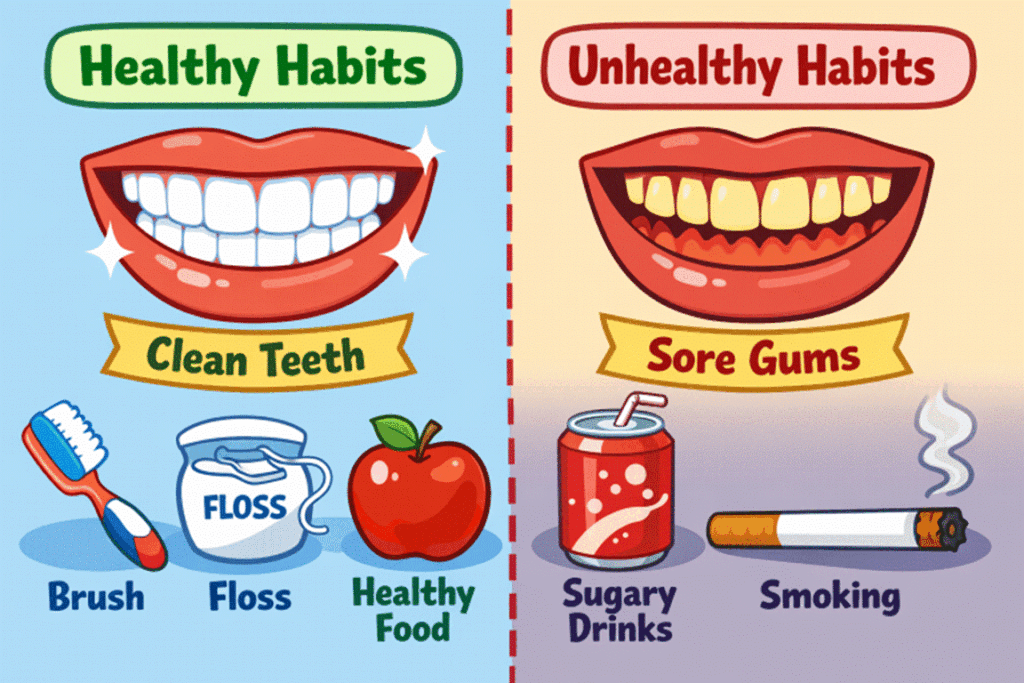

Daily oral habits are at the heart of maintaining gum health and preventing serious diseases. One of the most pervasive risks to oral health is gum disease, which affects millions of adults worldwide. This condition does not develop overnight but rather stems from small daily choices that add up over time.
By understanding how each aspect of our routine, from our brushing frequency to our choice of snacks, affects our gums, we can take meaningful steps to support periodontal health. It’s not just about having clean teeth; it’s about ensuring your gums are healthy, which, in turn, affects your overall well-being. A proactive approach to oral hygiene can help prevent discomfort, tooth loss, and even deeper health complications.
Beyond personal habits, factors such as adequate hydration, dietary balance, and lifestyle choices, such as avoiding tobacco, all play a role in determining the long-term condition of your gums. Awareness and consistent care can dramatically alter your risk for periodontal disease and make dental visits far more pleasant.
Oral health goes hand in hand with general health, underscoring the importance of making periodontal care a daily priority for everyone.
The Importance of Oral Hygiene
Good oral hygiene is the first and most important line of defense against periodontal disease. Brushing with fluoride toothpaste twice daily reduces plaque buildup, while flossing once a day removes food particles and bacteria from between teeth where toothbrushes cannot reach. If neglected, plaque hardens into tartar, which can only be removed by dental professionals and contributes to gum inflammation and disease. According to the Centers for Disease Control and Prevention (CDC), the most effective way to prevent gum disease is to adhere to a thorough oral hygiene routine at home.
Adding tools like antimicrobial mouthwashes or interdental brushes can further decrease your risk of infection and bad breath. The effectiveness of daily oral care is underscored by numerous studies demonstrating a direct link between diligence at home and lower rates of gum disease.
Diet and Its Impact on Periodontal Health
Nutrition shapes the makeup of the oral microbiome, influencing whether beneficial or harmful bacteria thrive. Diets high in sugar or processed foods feed harmful bacteria, leading to increased plaque and inflammation. In contrast, a diet rich in vegetables, low-sugar fruits, lean proteins, and whole grains supplies the nutrients gums need to resist disease and heal from minor injuries more quickly. Research published in the journal Nutrients confirms the relationship between dietary patterns and oral health.
For example, vitamin C helps repair connective tissue and fight infection, while antioxidants reduce inflammation. Including more nutrient-packed produce and limiting cavity-promoting snacks can actively improve periodontal health over time.
Managing Stress for Healthier Gums
Chronic stress can weaken the immune system and disrupt the body’s ability to fight off gum infections. Individuals experiencing significant stress may also develop detrimental habits, such as teeth grinding or jaw clenching, which can put additional strain on the gum tissue. Incorporating stress-reduction strategies like regular exercise, breathing exercises, and adequate rest can bolster immune health and even improve your outlook on daily oral routine.
Simple daily practices such as mindfulness meditation or listening to calming music can lower stress hormones, supporting both mental well-being and periodontal health.
The Role of Regular Dental Visits
Even with perfect home care, regular check-ups are essential. Dental professionals can detect early signs of gum disease that may go unnoticed until they become more serious. Early intervention can prevent minor issues from progressing into conditions requiring extensive (and expensive) treatment. Dental hygienists also use special tools to remove tartar (calculus) that brushing and flossing simply cannot remove.
The CDC emphasizes that bi-annual visits for exams and cleanings significantly boost your chances of maintaining healthy gums throughout your life. These appointments are an opportunity to address concerns and get tailored advice for your oral care routine.
Hydration and Saliva Production
Proper hydration promotes robust saliva production, which acts as your mouth’s natural defense against germs by neutralizing acids and washing away debris. Dry mouth, often worsened by dehydration or some medications, can accelerate gum disease since harmful bacteria multiply more rapidly when saliva levels are low.
Regularly sipping water throughout the day, especially after meals, helps keep your mouth clean and your gums healthy.
Smoking and Its Link to Periodontal Disease
Smoking drastically raises your risk of periodontal disease. It impairs gum blood flow, reduces immune response, and slows healing. Smokers are more likely to develop deep gum pockets, bone loss, and persistent inflammation, leading to tooth mobility and eventual loss if not addressed. Stopping smoking is one of the most powerful ways to reverse or prevent further gum deterioration.
Resources from the Mayo Clinic explain how smoking impacts gum health and offer tips for those looking to quit.
Understanding the Oral Microbiome
Your mouth harbors a diverse array of bacteria, collectively known as the oral microbiome. In a healthy mouth, there is a balance between helpful and potentially harmful bacteria. Poor diet and hygiene disrupt this balance, giving harmful species the upper hand and increasing susceptibility to gum infection.
Extensive research on the oral microbiome, as discussed by National Geographic, sheds light on how optimizing this ecosystem can boost not only oral but also systemic health.
Conclusion
Everything from the foods you eat to your daily oral care routine affects periodontal health. Practicing good oral hygiene, making informed dietary decisions, keeping up with dental visits, managing stress, staying hydrated, and avoiding smoking all help lower the risk of gum disease. By weaving these simple, consistent actions into your life, you can achieve healthier gums and set the stage for a healthier body overall.