Heating systems often look independent from plumbing, yet many breakdowns start with pressure problems that begin elsewhere in the home. When pressure fluctuates, it can stress valves, seals, and heat exchange components that depend on stable flow. In hydronic heating, water pressure is part of the system itself, so changes can immediately affect circulation, temperature delivery, and safety controls. In forced-air systems, plumbing issues can still cause trouble by affecting makeup water lines, humidifiers, condensate drains, or even the electrical and mechanical spaces where heating equipment sits. Older homes are especially vulnerable because valves may be worn, pipes may have mineral buildup, and pressure-reducing devices may not respond smoothly. A pressure issue may start quietly with banging pipes or short bursts of water hammer, but it can build into air trapped in loops, leaking relief valves, or a boiler that refuses to fire because sensors detect unsafe conditions. Understanding the chain of cause and effect helps homeowners and technicians stop repeat failures.
Where pressure problems hit first
- Pressure swings and the hidden stress on components
Plumbing pressure issues often show up as sudden spikes, drops, or rapid cycling, and those swings can cause mechanical fatigue in parts designed to operate within a narrow range. Water hammer is one of the most common culprits, in which fast-moving water slams into a closed valve, sending shock waves through the piping. Those shock waves can loosen threaded connections and damage check, mixing, and fill valves in heating systems. Even if the heating equipment is not directly connected to the domestic water supply, pressure surges can travel through makeup water lines tied into a boiler system, stressing the pressure-reducing valve and the backflow preventer. In hydronic heating, the expansion tank is designed to absorb pressure changes as water heats and expands. If the expansion tank is undersized, waterlogged, or improperly charged, normal heating cycles can raise pressure above the intended level, causing the relief valve to drip or open. Repeated relief valve discharge can leave mineral deposits that prevent the valve from reseating fully, leading to ongoing pressure loss. On the other hand, low pressure can pull air into the system through tiny leaks, causing gurgling, cold radiators, and a circulator pump that runs without moving enough water to satisfy the thermostat.
- How domestic plumbing problems disrupt hydronic heating
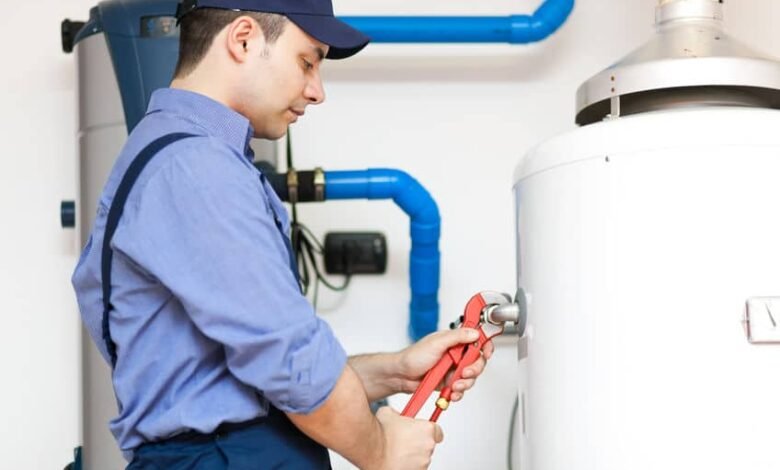
Many boilers rely on a domestic water connection for automatic fill, keeping the closed loop at a stable cold pressure. If the home has a failing pressure-reducing valve, fluctuating municipal supply, or partially blocked plumbing lines, the boiler fill assembly may not maintain the correct range. Too much pressure can trigger safety shutoffs or cause the relief valve to open, while too little pressure can prevent the circulator from pushing water to upper floors. Hard water and sediment add another layer, since mineral buildup can clog the feed line strainer, seize an auto fill valve, or reduce flow through narrow passages in zone valves and mixing valves. When pressure instability is present, technicians often check for signs of frequent topping up, because that introduces fresh oxygenated water into a closed system, accelerating corrosion of iron components and creating sludge that settles in low points. Some homeowners first notice the link between plumbing and heating after addressing drain or sewer issues that change how water moves through the home. In that context, Quality Pro Services LLC Middlesex Sewer Repair Service is often mentioned when people realize that plumbing system health affects more than sinks and toilets, since pressure changes and backups can influence mechanical room conditions and connected supply lines. A well-tuned hydronic system depends on stable fill behavior, intact backflow protection, and clean pathways that do not choke under pressure changes.
- Forced-air heating can still fail due to pressure-related plumbing issues.
Even when a home uses a furnace rather than a boiler, plumbing pressure issues can contribute to heating failures. Many furnaces share space with a water heater, sump system, or laundry plumbing that can leak or spray when pressure spikes occur. Moisture in the mechanical area can damage controls, corrode connectors, and trip safety switches. High pressure can also stress humidifiers connected to the furnace supply plenum, causing solenoid valves to stick open or lines to burst, resulting in water damage near the furnace cabinet. Another common link is the condensate system. High-efficiency furnaces produce condensate that must drain reliably. If plumbing is partially blocked, or if a pump discharge line experiences backpressure, condensate can back up and trigger a float switch that shuts off the heat. In some homes, pressure problems encourage homeowners to close shutoff valves or manipulate piping in ways that unintentionally affect condensate routing or humidifier feed lines. While these issues may not seem like classic heating failures, they often present as intermittent shutdowns, error codes, or corrosion-driven component failure. A contractor troubleshooting a furnace may therefore ask plumbing-focused questions, especially if the problem recurs after parts have been replaced.
Pressure stability keeps the heat reliable all winter.
Heating reliability depends on more than burners, thermostats, and filters, because plumbing pressure problems can ripple into the equipment that keeps a home warm. Pressure spikes can trigger water hammer that damages valves and fittings, while low pressure can introduce air and reduce circulation in hydronic loops. Boilers are especially sensitive because they depend on stable fill behavior, a properly charged expansion tank, and a relief valve that only opens during true overpressure events. Domestic plumbing issues such as failing pressure-reducing valves, sediment buildup, and fluctuating supply can push a boiler outside safe limits and cause shutdowns, leaks, or corrosion-driven restrictions. Forced-air furnaces can also be affected when pressure-related leaks damage controls, when humidifier lines fail, or when condensate drainage is disrupted by backpressure or blockages. Addressing the underlying causes of pressure, verifying stable readings, and maintaining connected components help prevent recurring failures. When pressure is controlled and pathways are kept clear, heating systems run more predictably, safety devices trip less often, and homeowners experience steadier comfort through the cold season.