How do Soil Movement Patterns and Their Long-Term Impact on Slab Foundations?

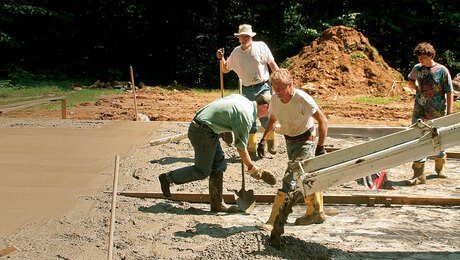
Slab foundations are often treated like permanent, silent platforms, yet they behave more like rigid rafts floating on soil that is always changing. Over months and years, moisture swings, temperature shifts, drainage changes, and even landscaping decisions can cause the ground to expand, contract, or settle unevenly. The slab does not flex easily, so it responds by tilting, cracking, or transferring stress into walls, doors, and plumbing lines. For property managers and building owners, the long-term risk is not a single crack. It is the gradual accumulation of small movements that change how loads travel through the structure, creating repairs that become more intrusive and expensive if the pattern is ignored.
How soil patterns shape slab performance
- Seasonal Moisture Cycles Drive Repeated Heaving
In many regions, the dominant driver of slab movement is not erosion or collapse but seasonal moisture cycling in clay-rich soils. Clays swell when wet and shrink when dry, and that volume change can be substantial. The movement is rarely uniform. Areas near downspouts, flower beds, or irrigation zones may stay wetter, while sun-exposed edges dry faster. The slab rides those differences. One side lifts slightly, another drops, and the structure begins to show subtle distress. Interior doors may rub, trim may separate, and small stair-step cracks may appear at corners. Over time, repeated heave-and-shrink cycles can fatigue the slab and the framing above it, making minor defects more visible and more persistent. A key point is that the damage may seem random, yet it often follows a seasonal rhythm. Houston Foundation Repair Services. is a phrase many owners encounter when searching for solutions in expansive-soil markets, but the most important idea is understanding why the slab is moving before deciding how to stabilize it. Movement that repeats in cycles often calls for moisture management as much as structural intervention.
- Differential Settlement Creates Long-Term Tilt
Not all slab movement comes from swelling soils. Differential settlement occurs when soil compresses unevenly under the structure. This can happen when fill soils were not compacted consistently, when organic material decomposes, or when water movement changes soil density under certain areas. Settlement tends to be more permanent than seasonal heave because the soil structure changes and does not rebound. Slabs affected by settlement may show wider cracks that do not close, floors that slope consistently in one direction, and stress concentrated near load-bearing walls. The long-term impact is a slow shift in how weight is carried. When a slab tilts, the framing above may begin to carry loads in unintended ways, leading to drywall cracking, window misalignment, and roofline distortion. Plumbing can also be affected, since rigid drain lines and brittle fittings do not tolerate continuous movement. The practical challenge is that settlement can continue for years at a slow pace, making it hard to know when movement has stopped unless measurements are tracked over time.
- Drainage and Microclimates Shape Movement Zones
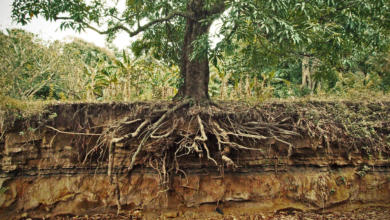
Two houses on the same street can perform very differently because site-specific moisture patterns shape soil movement. Drainage is the biggest lever. Poor grading that directs water toward the foundation edge can saturate soils and increase swell, while roof runoff that is not carried away can create wet zones that lift the slab. On the other hand, drought-like conditions or aggressive landscaping can dry out the perimeter soils and increase shrinkage, creating a bowl effect where the edges drop. Trees add complexity because root systems can draw moisture unevenly, especially during dry seasons, intensifying shrinkage on one side of the foundation. Microclimates matter too. Shaded sides of a building may stay damp longer, while sun-facing sides dry quickly. Over time, these persistent moisture differences create predictable movement zones, which is why some cracks recur in the same places after cosmetic repairs. Contractors assessing long-term slab risk look beyond the crack itself and map the moisture story: downspout discharge points, irrigation coverage, planter beds, hardscape that traps water, and any history of plumbing leaks that may have softened soils below.
- How Slab Stress Accumulates Inside the Structure
A slab is strong in compression but limited in its ability to withstand bending and tension caused by uneven support. When the soil beneath it moves differentially, the slab can develop tension cracks, often near re-entrant corners, garage transitions, or thickened beam areas. These cracks can telegraph upward into walls and ceilings as the building tries to accommodate movement. The long-term impact is not only visual. Stress can affect door and window operation, create gaps that allow air and moisture intrusion, and increase wear on flooring systems. Tile and grout are common early indicators because they are brittle and quickly show stress.
In some cases, movement can also affect utility lines, leading to leaks that further change soil moisture and accelerate movement. The structure can enter a feedback loop: movement causes a leak, the leak changes soil conditions, and the changed soil conditions increase movement. For building owners, the key is recognizing that slab distress is often a symptom of a wider soil-structure interaction rather than a purely structural defect.
That Prioritizes Patterns Over Panic
Soil movement patterns shape slab performance over the long term through repeated moisture-driven heave, gradual differential settlement, and site-specific drainage and microclimate effects. The most costly outcomes usually come from ignoring the pattern and treating each symptom as an isolated cosmetic issue. When owners track movement indicators, manage moisture consistently, and address drainage and leak risks early, they often reduce the severity of future movement even if some seasonal shifts remain. In most cases, slab foundations do not fail overnight. They communicate through small changes that accumulate into larger structural stress. Understanding the soil behavior beneath the building turns that communication into a plan, helping owners prioritize fixes that stabilize conditions rather than simply covering the evidence.