
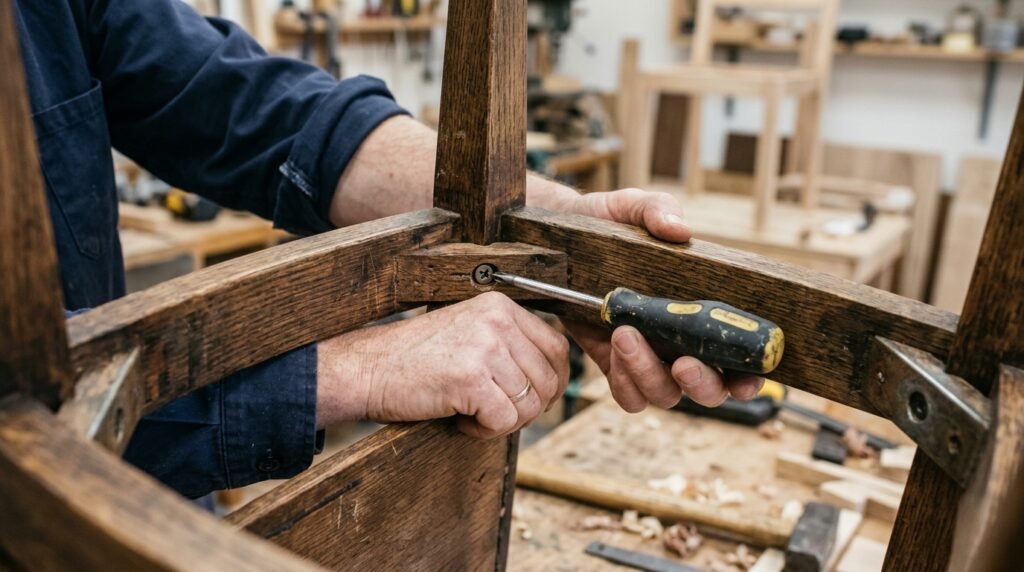

There is a distinct sense of accomplishment that comes with unboxing and assembling a brand-new dining table, bookshelf, or media console. You carefully lay out the hardware, follow the diagrams step-by-step, and tighten the final bolts. Yet, the moment you stand the piece upright on your living room floor, a frustrating reality sets in: it wobbles. An unstable piece of furniture isn’t just an annoyance; it accelerates wear on the joints and can pose a genuine safety hazard in a busy household.
When flat-pack or modular items exhibit a persistent lean or shake right after assembly, it is easy to assume the product itself is flawed. In reality, post-assembly instability usually stems from minor alignment errors, uneven flooring, or wood settling. Taking the time to select well-engineered pieces from a trusted furniture store in Draper gives you a solid structural head start, but knowing how to diagnose and correct stability issues at home will ensure your investment remains rock-solid for years to come.
Diagnosing the Root Cause of Post-Assembly Wobble
Before grabbing a toolkit and over-tightening every fastener, you need to isolate exactly why the frame is shifting. Furniture instability typically falls into one of two categories: structural misalignment or environmental leveling issues.
The Leveling Test
The easiest way to diagnose the issue is to move the piece to a different surface. Many homes in the Draper area—particularly those with natural hardwood, hand-scraped laminate, or thick tile grout lines—feature subtle floor variances. If your table wobbles on the kitchen tile but sits perfectly flat on a level garage floor, the issue isn’t the furniture; it’s the topography of your room.
Structural Torque and Unfinished Fastening
If the wobble persists on an absolute flat surface, the frame was likely torqued unevenly during assembly. When fasteners are tightened completely one by one, the frame pulls tightly toward the first secured corner, lifting the opposite leg off the ground.
Essential Factors to Check During the Correction Process
Fixing an unstable build requires a methodical approach rather than a brute-force solution. Keep these critical elements in mind as you troubleshoot:
- Fastener Sequencing: Never tighten screws or cam locks fully until the entire piece is fully assembled. Keeping hardware slightly loose allows the panels to self-level under their own weight before being locked into place.
- Dowels and Wood Glue: Many modular items rely on wooden dowels for shear strength. If these dowels fit loosely into their pre-drilled pockets, the joint will flex. Adding a drop of standard wood glue to the dowel holes during assembly provides a permanent internal bond that stops wobbling before it starts.
- Backer Panel Attachment: On bookshelves and wardrobes, the thin cardboard backer panel is not just cosmetic; it is the primary source of lateral stability. Skipping the small panel nails or screws causes the entire frame to rack and lean sideways.
Step-by-Step Tuning for a Rock-Solid Frame
If your completed sofa, desk, or table feels unstable, you can apply a quick mechanical reset to balance the frame safely.
First, loosen all the primary structural bolts or cam locks by roughly two turns. Do not remove them completely—just relax the tension enough to give the joints a minor amount of play. Next, lift the piece slightly and let it settle firmly onto its feet on the exact spot where it will live in your home. For tables or chairs, have a family member apply gentle downward pressure to the top surface. This forces all four legs to make contact with the floor simultaneously. While the weight is applied, retighten the hardware using an alternating diagonal pattern, much like tightening the lug nuts on a car tire.
Balancing the Pros and Cons of DIY Stability Fixes
Hobbyist woodwork and home repairs come with distinct trade-offs, and it helps to understand the limitations of what a quick home tune-up can achieve.
The Limits of Home Adjustments
The primary limitation of adjusting flat-pack furniture is the nature of engineered wood components like particleboard or medium-density fiberboard (MDF). These materials do not tolerate repeated loosening and tightening. If a screw hole strips out from over-tightening, the structural integrity drops significantly, requiring specialized fixes like wood putty, plastic anchors, or toothpicks soaked in glue to re-establish a tight grip.
The Long-Term Benefits of Proper Calibrations
Conversely, spending an extra twenty minutes squaring a frame and using proper leveling feet pays massive dividends. Eliminating the microscopic shifting that occurs every time you sit at a desk or lean on a counter prevents the metal hardware from wallowing out the wood framing over time. A balanced piece distributes stress evenly, extending the lifespan of the item and protecting your flooring from uneven friction marks.
Common Questions Regarding Furniture Stability
Should I use plastic shims or adjustable feet to level a table?
Adjustable screw-in leveling glides are always preferred because they integrate directly into the leg, maintaining a clean look. Plastic or felt shims work well for heavy, stationary items like bookcases or china cabinets resting on dense carpeting, but they can slide out from under moving dining tables or chairs.
Why does my furniture wobble even though all the screws are tight?
This usually indicates that a internal component, like a cam lock or threaded insert, is spinning freely inside its housing rather than drawing the adjacent panel tight. Inspect the hidden hardware to ensure the locking mechanisms are actually engaging and pulling the wood joints flush against one another.
Does investing in premium brands prevent post-assembly wobble?
Selecting heavy-duty, showroom-quality inventory from a regional provider like RC Willey dramatically cuts down on post-assembly issues. High-end residential furniture features kiln-dried hardwood frames, interlocking joinery, and heavy-duty steel hardware that naturally resists warping, ensuring the piece aligns perfectly on your floor plan from day one.
Preventive Habits for Future Home Additions
The best way to handle a wobbly table is to prevent it during the unboxing phase. When taking on a new home design project along the Wasatch Front, always inspect the pre-drilled holes for manufacturing debris or paint buildup before driving in screws, as tiny obstructions can prevent joints from seating completely flush.
By understanding how hardware tension interacts with your home’s flooring and taking a patient, systematic approach to assembly, you can eliminate structural instability easily. Keeping your furniture square, balanced, and tightly secured ensures a safer home environment and a pristine, lasting interior layout for your Draper household.