
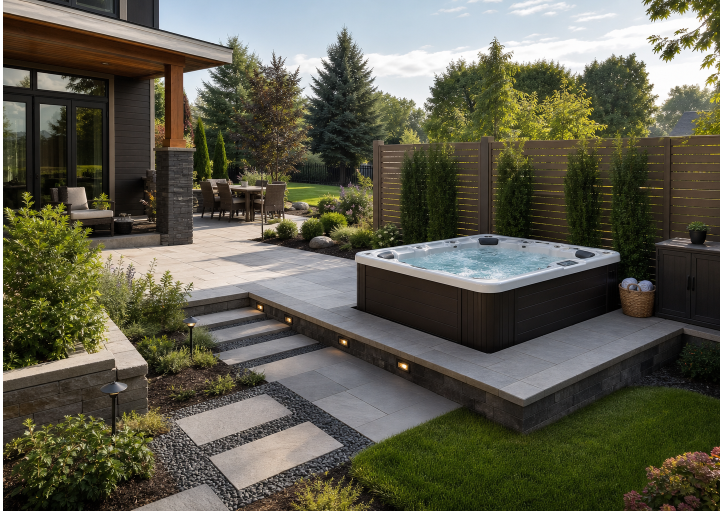

A backyard spa should feel like a natural part of daily life, not a complicated project that looks appealing only on paper. Homeowners exploring a custom spa Salt Lake City can begin with the same practical question: what would make the space easy and enjoyable to use several times each week?
The answer depends on the household. A couple may want a quiet place to unwind after work, while a family may need wider steps, extra seating, better sightlines, and more durable surfaces. Planning around real routines before choosing a model helps keep the finished space comfortable, manageable, and aligned with the budget.
1. Start With Your Routine
Think about the spa’s primary purpose. Is it intended for evening relaxation, post-workout recovery, social time, or year-round family use? Decide how many people will typically use it at once, whether guests will use it often, and how much time you can realistically commit to water care.
Also consider when the spa will be used. A location that feels distant in summer may be inconvenient on a cold, dark winter evening. The closer and safer the path from the house, the more likely the spa is to become part of a regular routine.
2. Measure Before You Shop
A spa footprint is only the starting point. Measure the area needed for stairs, walking space, a cover lifter, maintenance panels, nearby storage, and seating. Mark the proposed outline with chalk, string, or painter’s tape so you can see whether the layout interrupts gates, patios, doors, or garden beds.
Check access before delivery day
Measure gates, side yards, corners, slopes, overhead branches, and any route a delivery crew must use. A spa can fit beautifully in its final location, but still be difficult to move into the yard. Keep a clear route in mind for future repairs or eventual replacement as well.
3. Choose the Right Location
Look for stable ground, practical drainage, reasonable privacy, and convenient access to the home. Water from rain, splash-out, or draining should move away from the foundation and neighboring properties. Avoid placing the spa where roof runoff can pour directly onto the cover or the surrounding walkway.
Check local permits, setbacks, electrical rules, and barrier requirements before construction. A qualified installer, electrician, or local building department can confirm what applies to the property before you commit to a pad, deck, or recessed installation.
4. Compare Spa Styles
Portable spas can offer a straightforward installation and simpler replacement later. Built-in spas may blend into a patio, pool area, or outdoor kitchen, but they require careful planning for structural support and service access. Partially recessed designs can create a lower visual profile while retaining room around equipment panels.
Compare options based on installation time, support requirements, electrical needs, insulation, repair access, and how naturally each style connects to the rest of the yard. The best choice is not automatically the largest one. It is the one that leaves adequate room for circulation and upkeep.
5. Create a Complete Budget
Build the budget around the full project rather than the purchase price alone. Include delivery, base preparation, electrical work, permits, steps, handrails, drainage improvements, cover equipment, privacy features, landscaping, water-care supplies, and contingency funds for surprises.
Ask for estimates that separate labor and materials. This makes it easier to compare proposals and identify costs that may be missing. Tight access, sloped sites, aging electrical panels, or poor drainage can quickly change the final number.
6. Plan for Comfort and Privacy
Small amenities have a major effect on how often a spa gets used. Add slip-resistant paving, low-glare pathway lighting, towel hooks, a weather-resistant bench, and closed storage for testing supplies. Keep storage close enough that routine maintenance does not become an extra chore.
Privacy does not have to mean closing in the yard. A fence, strategically placed screen, pergola, evergreen planting, or layered landscaping can block unwanted views while preserving light and airflow. Avoid placing permanent screens where they block access to equipment.
7. Limit Heat Loss and Energy Waste
A well-fitted cover, dependable insulation, and protection from prevailing wind can reduce unnecessary heat loss. Review the cover’s condition regularly, because waterlogged or damaged covers can become difficult to handle and less effective over time.
When comparing equipment, consider insulation, circulation settings, cold-weather performance, replacement-part availability, and electrical demand.
8. Build in Safety and Maintenance
Plan safety features before the spa arrives. Use stable, slip-resistant surfaces, safe entry steps, a secure cover, adequate lighting, and professionally installed electrical protection. Keep chemical products locked away from children and store them in a dry location according to their labels.
Water care should follow a simple schedule for testing, adjusting sanitizer and pH, cleaning filters, inspecting the cover, and checking for leaks. The routine testing and treatment of home hot tub water helps support cleaner water and a more reliable maintenance habit.
9. Avoid Common Planning Mistakes
- Choosing a spa before confirming the full site dimensions.
- Forgetting the cover, steps, and service-clearance requirements.
- Ignoring delivery access through gates or narrow side yards.
- Installing the spa where drainage flows toward the home.
- Adding screens, furniture, or plantings that block equipment panels.
- Spending heavily on features that do not improve everyday use.
- Leaving the water-care storage too far from the spa.
10. Use a Final Checklist
- Does the spa suit the number of regular users?
- Can the chosen surface support the filled spa and occupants?
- Is delivery and future service access clear?
- Are drainage and electrical requirements confirmed?
- Is there room for safe entry, walking, cover removal, and maintenance?
- Are privacy, lighting, storage, and year-round comfort addressed?
- Does the budget include installation, operation, and likely repair costs?
Conclusion
The most successful backyard spa plans balance appearance with everyday practicality. Start with routines, verify the site, leave room for safety and service, and budget for the full project. A thoughtfully scaled space can provide lasting comfort without overwhelming the yard, the schedule, or the household budget.
Read Also: flypapermagazine.com