
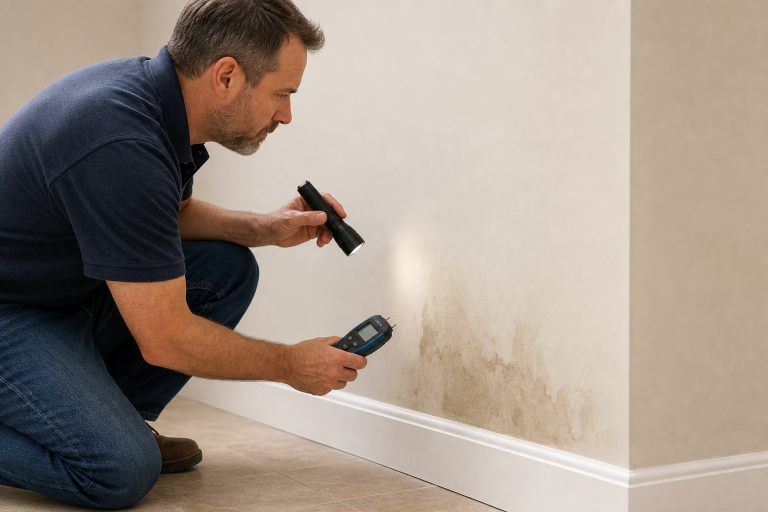

A hidden water leak can begin as a minor plumbing issue and quietly become expensive damage. Water may move behind drywall, below flooring, through insulation, or under a concrete slab before a stain or puddle ever appears. Homeowners who notice early changes can often limit the damage and avoid a larger repair.
If your water use is rising, a floor feels unusually warm, or dampness keeps returning in the same area, it may be time to investigate. For leaks that may be beneath concrete or otherwise difficult to trace, slab leak detection plumbers in St, George, Utah can help identify the likely source without treating the visible wet area as proof of where the pipe failed.
Why Hidden Leaks Matter
A burst pipe usually announces itself quickly. A pinhole leak, a loose fitting, a damaged supply line, or an aging pipe joint may release only a small amount of water at a time. That water can travel along framing or piping, so the stain on a hallway ceiling might originate from a bathroom several feet away. Small leaks still matter because household leaks can waste thousands of gallons of water each year, while prolonged moisture can damage wood, drywall, flooring, and insulation.
Warning Signs To Watch For
Unexplained Water Bill Changes
Compare your newest water bill with the bill from the same month last year. A higher bill is not automatic proof of a leak, since guests, irrigation, landscaping, and seasonal use can change consumption. Still, repeated increases without a clear explanation deserve attention.
Sounds, Stains, And Material Changes
Listen for hissing, tapping, dripping, or faint rushing sounds when faucets and appliances are off. Also look for yellow or brown ceiling marks, peeling paint, swollen baseboards, warped flooring, bubbling drywall, or cabinet bottoms that feel damp. Do not press on a soft ceiling or cut into a wall near outlets, switches, or fixtures.
Musty Odors, Humidity, Or Damp Soil
A persistent earthy smell can indicate moisture trapped where it cannot dry. Since mold can grow where leaks leave moisture behind, do not ignore recurring odors or visible spotting. Outside, soft soil, algae, erosion, or an unusually green patch of grass can indicate an irrigation or underground supply line problem.
Warm Flooring Or Lower Water Pressure
A warm section of floor may suggest a leaking hot-water line below the surface. Reduced pressure can also be a clue, particularly when it happens suddenly or affects multiple fixtures. Neither sign confirms the exact location, but both justify a closer check.
How To Use Your Water Bill As A Clue
A water meter test can help separate ordinary use from possible hidden water loss:
- Write down the current meter reading or photograph the display.
- Turn off faucets, toilets that are actively running, appliances, ice makers, irrigation, and outdoor hoses.
- Avoid using water for at least 30 minutes. A longer test can provide a clearer result.
- Check the meter again. Movement may indicate a leak or an appliance automatically using water.
- Repeat the test after checking toilets, irrigation timers, water softeners, and other automatic equipment.
Safe Checks Homeowners Can Do
Test Toilets And Inspect Accessible Areas
Add several drops of food coloring to a toilet tank, wait 10 to 15 minutes without flushing, and check whether the color enters the bowl. If it does, the toilet may have a silent leak. Also inspect under sinks, behind washing machines, around water heaters, and at visible valves for drips, corrosion, or damp surfaces.
Review Exterior Fixtures
Check hose bibs, sprinkler heads, irrigation valves, and visible outdoor lines. Compare wet areas with recent rain and your watering schedule. Avoid digging near buried utilities or attempting repairs when water is near electrical equipment.
Common Leak Locations
- Bathroom and kitchen walls
- Under sinks, cabinets, and flooring
- Near toilets, showers, tubs, and appliance connections
- Ceilings between upper and lower floors
- Crawl spaces, basements, and utility rooms
- Underground water lines, irrigation systems, and pipes beneath slabs
For example, damp flooring in a hallway may be fed by water traveling from a bathroom supply line, not by a pipe directly below the hallway. Surface moisture is an important clue, but it is not always the source.
When To Call For Help
Arrange prompt assistance if the meter moves while all water is off, a wet spot returns after drying, pressure drops without explanation, or a leak seems to be inside a wall, under a slab, or beneath the yard. Treat a sagging ceiling, water near outlets or appliances, sewage, and visible mold as urgent concerns. Shut off the nearest safe water valve if possible, move valuables away from water, and avoid wet electrical areas.
What Leak Testing May Involve
Professionals may use pressure testing, meter monitoring, moisture scanning, thermal imaging, acoustic equipment, or tracer methods. The best approach depends on pipe material, building layout, and whether the suspected leak is hot water, cold water, drainage, or irrigation. The purpose is to narrow down the source before opening walls, removing flooring, or excavating a yard.
A Simple Leak Prevention Plan
- Monthly: Review water use, inspect under sinks, test toilets, and check appliance hoses.
- Seasonally: Inspect irrigation, protect exposed pipes before freezing weather, and check crawl spaces after storms.
- Long-term: Replace worn supply hoses and shutoff valves, repair drips promptly, and consider installing leak sensors near water heaters and washing machines.
Frequently Asked Questions
Can A High Water Bill Prove There Is A Leak?
No. It is a useful signal, but billing changes, irrigation, guests, appliance use, and meter issues can also raise consumption. A meter test and inspection provide better evidence.
Can A Leak Stay Hidden For Months?
Yes. Slow leaks can remain concealed until odors, staining, flooring damage, mold growth, or unusual water use become noticeable.
Should You Open A Wall To Find A Leak?
Use caution. Opening a wall without knowing where the pipes and wiring run can cause further damage or create an electrical hazard. Locating the likely source first is usually the safer approach.
What Should You Do During A Sudden Leak?
Turn off the water at the nearest safe valve or the main shutoff, protect valuables, avoid electricity in wet areas, photograph the damage, and contact a qualified professional.
Conclusion
Hidden leaks rarely begin with dramatic flooding. More often, they start with a strange sound, a bill that no longer makes sense, a musty smell, or a patch of moisture that keeps returning. Regular checks and quick action can help prevent a small plumbing problem from becoming major home damage.