
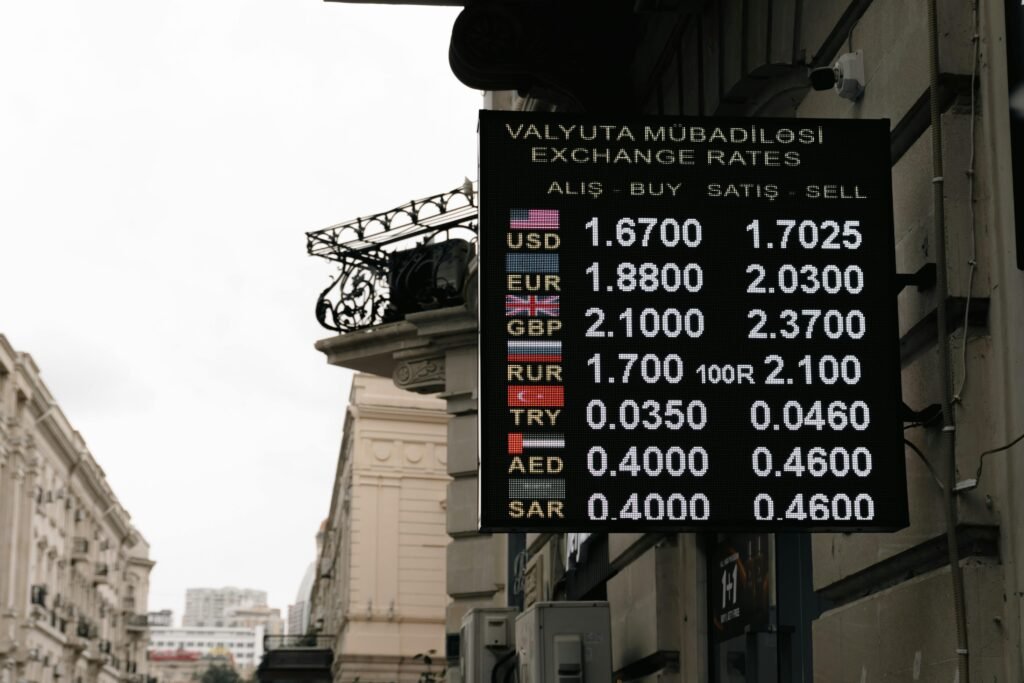

The GBP/USD currency pair is one of the most actively traded forex instruments globally, reflecting the economic strength of the United Kingdom and the United States. Traders closely monitor inflation trends, central bank decisions, and geopolitical developments to anticipate future movements. In recent analysis, the pound to dollar forecast continues to show heightened sensitivity to interest rate expectations from both the Bank of England and the Federal Reserve, making it a key focus for short-term and long-term traders.
Understanding how this pair behaves requires more than just watching charts; it involves interpreting macroeconomic signals, sentiment shifts, and liquidity flows that influence price direction on a daily basis.
Understanding GBP/USD Price Movements
The GBP/USD pair often reacts sharply to economic data releases such as CPI inflation, GDP growth, and employment figures. Volatility increases when either the UK or US releases unexpected data, creating trading opportunities but also higher risk exposure.
Key Drivers of Movement:
- Interest rate divergence between the Bank of England and the Federal Reserve
- Inflation trends in both economies
- Political stability and fiscal policies
- Global risk sentiment (risk-on vs risk-off behavior)
- Dollar strength as a global reserve currency
The interaction of these factors creates short bursts of volatility, followed by consolidation phases where traders reassess positions.
Technical Analysis Outlook
From a technical perspective, GBP/USD typically respects long-term trend channels, with frequent retracements to Fibonacci levels. Moving averages such as the 50-day and 200-day are widely watched for trend confirmation.
Common Technical Patterns:
- Head and shoulders formations indicating reversals
- Double tops and bottoms signaling trend exhaustion
- Breakouts from consolidation zones during high-volume sessions
The pair also tends to show strong reactions around psychological price levels like 1.20, 1.25, and 1.30, which act as key support and resistance zones.
Fundamental Influences Shaping Market Sentiment
A significant part of forecasting involves evaluating macroeconomic fundamentals. Recently, inflation control efforts in the UK have influenced expectations around interest rate hikes, while the US dollar has maintained strength due to its safe-haven appeal.
The pound to dollar forecast is therefore closely tied to expectations of monetary tightening cycles. When the Federal Reserve maintains a hawkish stance, GBP/USD often comes under pressure. Conversely, if UK economic data surprises positively, the pound may regain strength.
Market Sentiment and Investor Behavior
Market sentiment plays a crucial role in shaping short-term movements. Traders often react not only to actual data but also to expectations and speculation.
Sentiment Indicators:
- CFTC positioning reports (showing speculative demand)
- Volatility index trends
- Global equity market performance
- Bond yield spreads between UK gilts and US Treasuries
When risk appetite increases, investors tend to move away from the US dollar, supporting GBP strength. In contrast, global uncertainty usually strengthens USD demand.
Medium-Term Forecast Outlook
In the medium term, analysts expect GBP/USD to remain range-bound with periodic breakout attempts. Structural inflation differences and interest rate cycles will continue to influence price direction.
At this stage, the pound to dollar forecast suggests that traders should prepare for alternating phases of strength and weakness rather than a sustained directional trend.
Historical Price Behavior Insights
Looking at historical data, GBP/USD has shown cyclical behavior influenced by global financial events such as Brexit, US rate hikes, and pandemic recovery phases. These events often create long-lasting trend shifts.
Observations from Past Cycles:
- Strong USD rallies during global crises
- GBP recoveries during periods of UK economic stability
- Sharp reversals following central bank policy changes
Platforms like TradingView provide detailed charting tools that help traders analyze these historical patterns and apply them to future predictions.
Technical vs Fundamental Balance
Successful forecasting of GBP/USD requires balancing both technical and fundamental analysis. Relying on one alone often leads to incomplete conclusions.
| Analysis Type | Focus Area | Strengths | Limitations |
| Technical Analysis | Price charts, patterns, indicators | Clear entry/exit signals | May ignore macro events |
| Fundamental Analysis | Economic data, policies | Long-term direction insight | Slow reaction to price action |
| Sentiment Analysis | Market psychology | Captures short-term moves | Can be unpredictable |
Combining these approaches allows traders to filter false signals and identify higher probability setups.
Short-Term Trading Perspective
Short-term traders often focus on intraday volatility driven by news events and liquidity cycles. London and New York session overlaps are particularly important for GBP/USD activity.
During these sessions, price movements tend to accelerate, offering scalping and breakout opportunities. However, risk management becomes critical due to sudden reversals.
The pound to dollar forecast in the short term often depends on economic announcements such as employment data or central bank commentary, which can trigger immediate spikes.
Algorithmic trading and institutional order flows also contribute significantly to short-term price inefficiencies that retail traders try to capture.
Risk Factors to Watch
Several risk elements can disrupt expected market behavior:
- Unexpected geopolitical tensions
- Sudden changes in interest rate expectations
- Global banking instability
- Sharp commodity price fluctuations are affecting inflation
- Central bank communication surprises
These factors can override technical setups and lead to unpredictable price swings.
Long-Term Structural Outlook
Over the long term, GBP/USD will likely continue reflecting the economic divergence between the UK and the US. The strength of the US economy and its monetary policy direction often play a dominant role in determining the pair’s baseline trend.
Another important factor is productivity growth, which influences long-term currency valuation and investor confidence.
At this stage, analysts emphasize patience and diversification, as currency markets rarely move in straight lines over extended periods.
Conclusion
The GBP/USD pair remains one of the most dynamic and widely traded currency pairs in global markets. A well-rounded approach combining technical analysis, macroeconomic insights, and sentiment tracking is essential for understanding its movement. As traders evaluate global trends and policy decisions, the pound to dollar forecast continues to be a key reference point for anticipating future market direction and managing trading strategies effectively.
With evolving global economic conditions, traders must stay adaptive, as price movements are increasingly influenced by rapid shifts in sentiment, liquidity, and policy expectations.