

Introduction
The way people define an ideal home has changed dramatically over the years. Residential living is no longer limited to having a roof over one’s head and a comfortable place to sleep. Today, individuals and families seek homes that align with their lifestyles, support their goals, and provide an environment where comfort, convenience, and functionality coexist. As urban development continues to advance and technology becomes deeply integrated into everyday life, residential properties have evolved to meet new expectations and demands.
Modern homebuyers and renters prioritize a variety of factors that extend beyond square footage. They look for thoughtfully designed interiors, smart technologies, energy efficiency, security, wellness-focused amenities, and spaces that encourage both productivity and relaxation. These preferences have influenced the residential real estate industry, inspiring developers and designers to create living environments that cater to contemporary needs while anticipating future trends.
The growing popularity of modern apartments demonstrates how residential communities are adapting to changing lifestyles. These developments offer residents more than housing; they provide a complete living experience that enhances daily routines and supports long-term well-being.
Changing Expectations in Residential Living
The concept of residential comfort has undergone significant transformation. In previous generations, a home was primarily viewed as a place for shelter and family life. While those functions remain essential, today’s residents expect much more from their living environments. The rise of remote work, digital communication, and flexible lifestyles has expanded the role that homes play in everyday life.
A residence now serves multiple purposes. It can function as a workspace, fitness center, entertainment venue, study area, and retreat from daily stress. As a result, people increasingly seek homes that can accommodate these diverse needs without compromising comfort or efficiency.
Developers have responded by creating properties that emphasize flexibility and convenience. Open floor plans, multifunctional spaces, and integrated technologies allow residents to adapt their homes to various activities throughout the day. These features contribute to a more dynamic and practical living experience that reflects the realities of modern life.
Furthermore, residents are placing greater value on community engagement and access to shared amenities. Housing developments that provide opportunities for social interaction, recreation, and wellness have become especially attractive because they support a balanced and fulfilling lifestyle.
Thoughtful Architectural Design and Functional Layouts
One of the defining characteristics of contemporary residential developments is their emphasis on intelligent design. Modern architecture prioritizes both aesthetics and functionality, ensuring that homes are visually appealing while meeting practical needs.
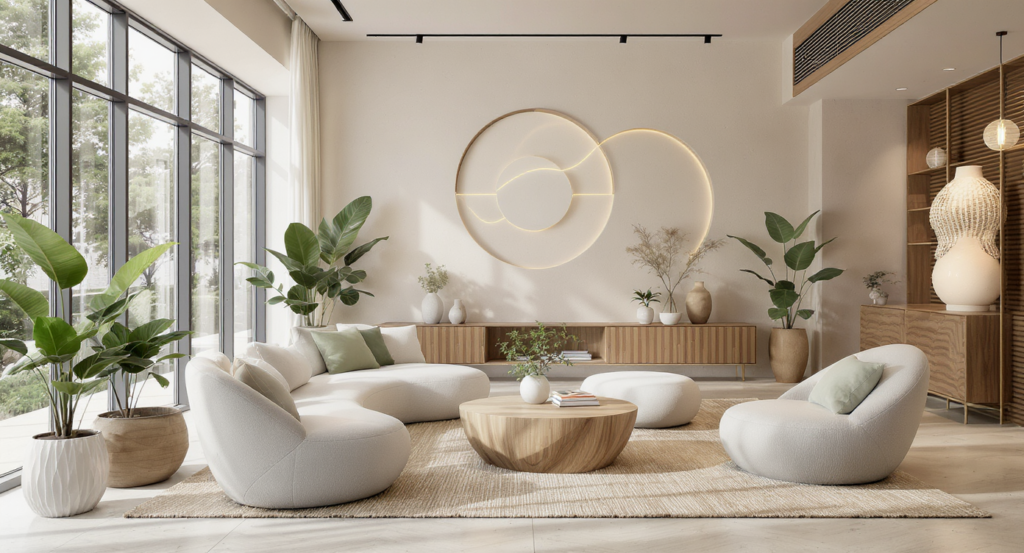
Open-concept layouts have become increasingly popular because they create a sense of spaciousness and improve the flow of natural light throughout living spaces. Large windows allow sunlight to illuminate interiors while creating stronger connections between indoor and outdoor environments. These design elements help make homes feel more welcoming and comfortable.
Storage solutions are also carefully integrated into contemporary floor plans. Built-in shelving, multifunctional furniture options, and efficient room configurations help residents maximize available space without sacrificing style. This attention to detail contributes to a cleaner and more organized living environment.
High-quality materials further enhance the appeal of modern residences. Durable flooring, elegant fixtures, premium finishes, and carefully selected design elements create interiors that feel sophisticated while remaining practical for everyday use. The combination of beauty and functionality is one of the primary reasons why contemporary residential properties continue to attract widespread interest.
Technology as a Cornerstone of Contemporary Living
Technology has transformed nearly every aspect of daily life, and residential living is no exception. Smart home systems have become a defining feature of many new developments, providing residents with greater convenience, security, and control over their environments.
Home automation systems allow individuals to manage lighting, temperature settings, entertainment devices, and security features through smartphones or voice commands. These technologies simplify routine tasks and create a more personalized living experience.
Advanced connectivity is another essential component of contemporary housing. Reliable high-speed internet supports remote work, virtual education, online entertainment, and digital communication. As more people depend on technology for professional and personal activities, strong digital infrastructure has become a critical consideration when choosing a residence.
Energy management technologies also play an increasingly important role. Smart thermostats, automated lighting systems, and energy-efficient appliances help residents reduce consumption while maintaining comfort. These innovations contribute to sustainability efforts while offering practical financial benefits through lower utility costs.The integration of technology into modern apartments reflects the growing demand for homes that support convenience, efficiency, and connectivity in an increasingly digital world.
Wellness and Healthy Living Environments
Health and wellness have become major priorities for individuals seeking residential properties. Developers recognize that the built environment can significantly influence physical and mental well-being, leading to the incorporation of wellness-focused features in many contemporary communities.
Fitness facilities have become a standard amenity in many residential developments. Equipped with modern exercise equipment and dedicated workout spaces, these facilities allow residents to maintain active lifestyles without traveling to external gyms. Some communities also provide yoga studios, meditation rooms, and wellness centers designed to support holistic health.
Natural elements are increasingly incorporated into residential design. Green spaces, landscaped gardens, walking trails, and outdoor seating areas provide opportunities for relaxation and recreation. Access to nature has been shown to reduce stress and improve overall well-being, making these features highly desirable.
Indoor environmental quality is also receiving greater attention. Improved ventilation systems, natural lighting strategies, and environmentally friendly building materials contribute to healthier living conditions. By prioritizing wellness in both design and amenities, residential communities help residents achieve a more balanced and fulfilling lifestyle.
The Growing Importance of Community Spaces
While privacy remains an important aspect of residential living, many people also value opportunities for social interaction and community engagement. Contemporary housing developments increasingly incorporate shared spaces that encourage residents to connect with one another.
Community lounges, coworking spaces, rooftop gathering areas, and recreational facilities provide environments where individuals can build relationships and participate in shared experiences. These spaces contribute to a stronger sense of belonging and help create vibrant residential communities.
The rise of hybrid work arrangements has further increased the importance of communal spaces. Residents often seek environments where they can work independently while still having opportunities for collaboration and social interaction. Well-designed coworking areas offer flexibility and convenience while supporting productivity.Organized community events, workshops, and recreational activities also contribute to resident satisfaction. These initiatives foster stronger relationships among neighbors and help create a welcoming atmosphere that enhances overall quality of life.
Sustainability and Environmental Responsibility
Environmental awareness has become a major influence on residential development. Homebuyers and renters increasingly prefer properties that demonstrate a commitment to sustainability and responsible resource management.
Developers are incorporating eco-friendly building practices into many contemporary projects. Energy-efficient systems, sustainable construction materials, water conservation technologies, and waste reduction programs help minimize environmental impact while supporting long-term operational efficiency.
Renewable energy solutions are becoming more common as well. Solar power integration, energy storage systems, and advanced building management technologies allow communities to reduce dependence on traditional energy sources and lower overall carbon footprints.
Green spaces play an essential role in sustainable residential design. Trees, gardens, and landscaped areas contribute to improved air quality, support biodiversity, and create more pleasant living environments. These natural features benefit both residents and the surrounding ecosystem.Sustainability initiatives not only address environmental concerns but also provide practical advantages such as reduced utility expenses and improved long-term property value. As environmental priorities continue to evolve, sustainable residential development is expected to remain a key focus within the industry.
Security and Peace of Mind
Safety is one of the most important considerations for anyone choosing a place to live. Contemporary residential developments invest heavily in advanced security systems designed to protect residents and their belongings while maintaining a comfortable and welcoming atmosphere.
Controlled access systems help ensure that only authorized individuals can enter residential buildings and community facilities. Surveillance technologies provide continuous monitoring of common areas, while professional security personnel may offer additional support in larger developments.
Digital security innovations have further strengthened residential safety measures. Smart locks, mobile access systems, and real-time monitoring capabilities allow residents to manage security more effectively and conveniently.Comprehensive security strategies contribute to peace of mind, enabling residents to focus on their personal and professional pursuits without unnecessary concerns. The emphasis on safety is one of the many factors that make modern apartments appealing to a wide range of individuals and families.
Flexibility for Evolving Lifestyles
One of the most significant trends in contemporary housing is the demand for flexibility. Modern lifestyles are constantly evolving, influenced by technological advancements, career changes, family dynamics, and shifting personal priorities.
Residential spaces are increasingly designed to adapt to these changes. Flexible floor plans allow rooms to serve multiple purposes, such as functioning as home offices during the day and guest rooms when needed. Modular design elements further enhance adaptability by enabling residents to customize their living environments.
The ability to accommodate changing needs is particularly important in an era where remote work and digital entrepreneurship continue to grow. Homes must support productivity while still providing spaces for relaxation, entertainment, and family activities.Developers who prioritize flexibility create properties that remain relevant and desirable over time, ensuring that residents can continue enjoying their homes as circumstances evolve.
Long-Term Value and Investment Appeal
Residential properties that incorporate quality construction, innovative design, and desirable amenities often maintain strong market appeal over the long term. This makes them attractive not only for personal use but also as potential investments.
Contemporary housing developments are designed to meet current lifestyle expectations while remaining adaptable to future trends. Features such as energy efficiency, smart technology, wellness amenities, and sustainable design contribute to enduring value.As demand for high-quality housing continues to grow, properties that offer comprehensive lifestyle benefits are likely to remain competitive within the market. Investors and homeowners alike recognize the importance of selecting residences that combine immediate comfort with long-term potential.The sustained popularity of modern apartments reflects their ability to provide both lifestyle advantages and enduring value in an increasingly competitive housing landscape.
The Future of Residential Living
The future of residential living will be shaped by innovation, sustainability, and evolving consumer preferences. Emerging technologies, environmental considerations, and changing work patterns will continue influencing the design and functionality of residential communities.
Future developments may include enhanced smart home capabilities, advanced health-monitoring technologies, flexible living arrangements, and even greater emphasis on environmental responsibility. These innovations will help create living environments that are more efficient, comfortable, and responsive to individual needs.
Community-focused design is also expected to remain a priority. Developers will continue seeking ways to foster meaningful social connections while respecting residents’ desires for privacy and personal space. Balancing these elements will be essential for creating successful residential communities in the years ahead.
As expectations continue to evolve, contemporary housing developments will remain at the forefront of innovation, setting new standards for comfort, convenience, and quality of life.
Conclusion
Residential living has undergone a remarkable transformation, driven by changing lifestyles, technological advancements, and growing expectations for comfort and convenience. Today’s residents seek homes that support productivity, wellness, social engagement, and sustainability while providing a secure and comfortable environment.
Through thoughtful design, advanced technology, wellness-focused amenities, environmental responsibility, and flexible living spaces, contemporary residential developments offer a comprehensive lifestyle experience that extends far beyond traditional housing. These communities are designed to meet the diverse needs of modern residents while preparing for future trends and challenges.
As society continues to evolve, the demand for innovative and adaptable housing solutions will only increase. Contemporary residential developments are uniquely positioned to meet these expectations, providing environments where individuals and families can thrive. Their ongoing evolution ensures that they will continue shaping the future of residential living for many years to come.