
Introduction
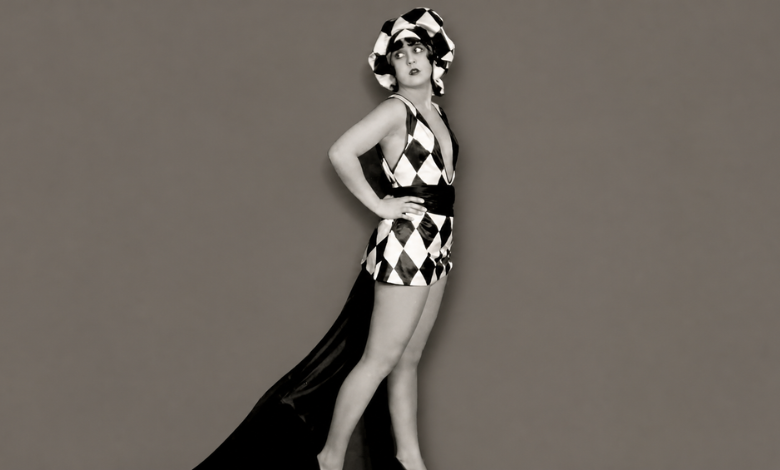
Muriel Montrose was one of the many early Hollywood performers whose contributions helped shape the film industry during its formative years. Although she never achieved the level of fame enjoyed by major stars, her work as an actress, stunt performer, and body double reflects the dynamic and evolving nature of cinema in the 1920s. Her life story also connects two different eras of entertainment, linking silent films to the golden age of American television through her son, Tony Dow.
Her journey is not just about fame but about perseverance, adaptability, and quiet contribution. In an industry dominated by rapid change and fierce competition, Muriel Montrose carved out a space for herself and played multiple roles both on and off the screen. Understanding her life helps us appreciate the countless individuals who worked behind the scenes and in supporting roles to build Hollywood into what it is today.
Quick Bio of Muriel Montrose
| Field | Details |
|---|---|
| Full Name | Muriel Virginia Montrose |
| Date of Birth | May 27, 1906 |
| Place of Birth | Denver, Colorado, USA |
| Date of Death | April 30, 2001 |
| Age at Death | 94 years |
| Nationality | American |
| Profession | Actress, Stunt Performer |
| Active Years | 1920s (Silent Film Era) |
| Famous For | Sennett Bathing Beauty, stunt work, body double |
| Worked With | Mack Sennett, Clara Bow |
| Notable Films | Heart Trouble (1925), Soldier Man (1926), The Jolly Jilter (1927) |
| Spouse(s) | Ray Lloyd Ramsey (divorced), John Stevens Dow |
| Children | 2 sons (including Tony Dow) |
| Other Roles | Body double, early female stunt performer |
| Later Life | Lived privately in California, focused on family |
| Legacy | Part of early Hollywood history & link to TV era |
Early Life and Background
Muriel Virginia Montrose was born on May 27, 1906, in Denver, Colorado. Growing up during a time when the entertainment industry was still developing, she witnessed the rise of motion pictures from a novelty to a major cultural force. The early 20th century offered new opportunities, especially for young people willing to pursue unconventional careers, and Hollywood quickly became a center of attraction for dreamers across the country.
Although detailed records of her childhood remain limited, it is clear that she possessed the ambition and confidence necessary to enter the competitive world of filmmaking. Her early exposure to the possibilities of cinema likely influenced her decision to pursue acting, eventually leading her to Hollywood where she would begin her professional journey.
Entry into Hollywood
Muriel Montrose’s entry into Hollywood came when she was discovered by Mack Sennett, a major figure in early film production. Sennett was known for his comedic films and for introducing audiences to a new style of visual humor. Being selected by such an influential producer gave Montrose a valuable opportunity to establish herself in the industry at a young age.
She became part of the famous “Sennett Bathing Beauties,” a group of young women who appeared in lighthearted comedic films. These performers were admired for their charm and screen presence, and they played a significant role in popularizing a playful and glamorous image of women during the 1920s. This experience not only brought Montrose recognition but also helped her develop the skills needed to navigate the film industry.
Acting Career in Silent Films
During the mid-1920s, Muriel Montrose appeared in several short films that were typical of the silent era. These productions relied heavily on visual storytelling, requiring actors to express emotions through gestures, facial expressions, and movement rather than spoken dialogue. Montrose’s performances contributed to the lively and entertaining style that defined early Hollywood cinema.
Her film appearances included works such as Heart Trouble (1925), Soldier Man (1926), and The Jolly Jilter (1927). While she was not a leading actress, her roles were important in supporting the overall narrative and comedic tone of these films. Like many performers of her time, she played a part in shaping the language of silent cinema, helping audiences connect with stories in a purely visual way.
Work as a Stunt Performer
One of the most remarkable aspects of Muriel Montrose’s career was her involvement in stunt work. At a time when women were rarely seen performing physically demanding tasks on screen, she took on roles that required courage, strength, and precision. Her work in Western films often involved risky scenes, demonstrating her willingness to go beyond traditional acting roles.
The early film industry lacked the advanced safety measures that exist today, making stunt work particularly dangerous. Montrose’s participation in such roles highlights her determination and adventurous spirit. Her contributions in this area also reflect the broader role of women in early Hollywood, where many quietly broke barriers without receiving widespread recognition.
Connection to Clara Bow
Muriel Montrose also worked as a body double for Clara Bow, one of the most iconic figures of the silent film era. Clara Bow’s popularity made her a defining symbol of the 1920s, and being associated with her productions placed Montrose in close proximity to major Hollywood success.
As a body double, Montrose played an essential behind-the-scenes role, stepping in for scenes that required specific physical skills or posed challenges for the main actress. This type of work required not only physical resemblance but also professionalism and reliability. Although such roles often went uncredited, they were crucial to the filmmaking process and added another dimension to Montrose’s career.
Personal Life and Family
Muriel Montrose’s personal life included both challenges and stability. She was first married to Ray Lloyd Ramsey in 1927, but the marriage ended in divorce just two years later. Despite this early setback, she went on to build a more lasting family life with her second husband, John Stevens Dow, whom she married in 1930.
Her role as a mother became one of the most significant aspects of her life. She had two sons, including Tony Dow, who later gained fame as a television actor. Montrose played an active role in supporting her son’s career, even managing him during his early years in the entertainment industry. This connection between mother and son highlights her continued involvement in the world of entertainment, even after leaving her own acting career behind.
Life After Hollywood
After her time in the film industry, Muriel Montrose chose a quieter and more private lifestyle. The transition from silent films to sound cinema created challenges for many actors, and she was among those who did not continue into the new era of filmmaking. Instead, she focused on her family and personal interests, stepping away from the spotlight.
In her later years, she lived in California, where she became known for her simple and peaceful way of life. She enjoyed activities such as gardening and baking, often sharing her time and kindness with neighbors and children in her community. This phase of her life reflects a shift from public performance to personal fulfillment, showing a different side of her character.
Death and Legacy
Muriel Montrose passed away on April 30, 2001, at the age of 94. Her long life spanned nearly a century, during which she witnessed tremendous changes in technology, society, and the entertainment industry. From the silent film era to modern television, her experiences represent a unique perspective on Hollywood’s evolution.
Although she is not widely remembered today, her contributions remain significant in understanding the early days of cinema. Her work as an actress, stunt performer, and body double demonstrates the many roles required to create films. Her legacy also continues through her son, Tony Dow, whose success brought renewed attention to her story.
Why Muriel Montrose Still Matters
Muriel Montrose’s life serves as a reminder that Hollywood’s history is built not only on famous stars but also on the efforts of lesser-known individuals. Her willingness to take on different roles and adapt to the demands of the industry reflects the dedication required to succeed in early filmmaking.
She also represents the quiet strength of women who contributed to cinema in ways that were often overlooked. By examining her story, we gain a deeper appreciation for the diverse talents and experiences that shaped the film industry. Her life may not be widely celebrated, but it remains an important part of Hollywood’s rich and complex history.
Conclusion
In conclusion, Muriel Montrose’s journey from a young performer in silent films to a devoted mother and community member is both inspiring and meaningful. Her experiences highlight the challenges and opportunities faced by early Hollywood actors, as well as the importance of adaptability and resilience.
Her story reminds us that success is not always measured by fame but by the impact one has on others and the contributions one makes over time. Through her work and her family, Muriel Montrose left a legacy that continues to connect different generations of entertainment history.
Frequently Asked Questions (FAQs)
Who was Muriel Montrose?
Muriel Montrose was an American silent film actress and stunt performer from the 1920s, known for her work in early Hollywood and as the mother of Tony Dow.
What kind of films did she appear in?
She appeared in short silent films, mainly comedies, and also worked behind the scenes as a stunt performer and body double.
Did she work with any famous celebrities?
Yes, she worked as a body double for Clara Bow, one of the biggest stars of the silent film era.
Why did she leave Hollywood?
Like many silent film actors, she did not transition into sound films and chose to live a quieter life focused on family.
What is her legacy today?
Her legacy lies in her contributions to early cinema and her connection to later television history through her son Tony Dow.