
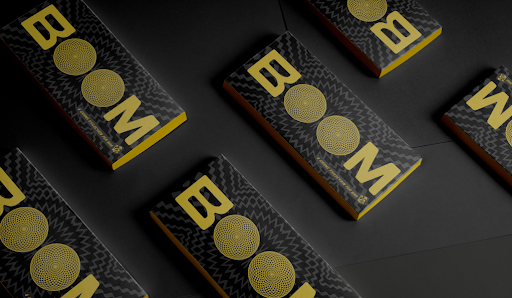

Chocolate has long been one of the most beloved treats worldwide, appreciated for its rich flavor, smooth texture, and versatility. In recent years, a new category has emerged within the specialty food market: Mushroom chocolates. These products combine high-quality cocoa with carefully selected mushroom extracts, creating an innovative option for consumers seeking something beyond traditional confectionery.
As interest in functional foods continues to grow, mushroom-infused chocolate products have become increasingly popular among people looking for unique ingredients, premium formulations, and creative flavor experiences.
A New Chapter in Specialty Chocolate
The chocolate industry is constantly evolving. Manufacturers regularly experiment with ingredients that can introduce new textures, flavors, and consumer experiences.
Mushroom chocolates represent one of the latest developments in this evolution. Rather than focusing solely on sweetness, these products bring together the craftsmanship of chocolate making and the growing popularity of mushroom-based ingredients.
This combination has helped create a niche market that continues to attract attention from food enthusiasts and wellness-focused consumers alike.
How Mushroom and Cocoa Work Together
At first glance, mushrooms and chocolate may seem like an unusual pairing. However, the earthy characteristics of mushroom extracts can complement the deep, complex notes naturally found in cocoa.
When formulated properly, the result is a balanced product where neither ingredient overwhelms the other. Chocolate provides a familiar and enjoyable base, while mushroom extracts contribute distinctive qualities that help set these products apart.
This harmony between ingredients is one reason mushroom chocolates continue to gain recognition in specialty food circles.
Popular Mushrooms Used in Chocolate Products
Manufacturers may use a variety of mushroom species depending on the product’s intended formulation.
Lion’s Mane
Lion’s Mane is one of the most recognizable mushrooms used in functional food products. Its popularity has led many brands to incorporate it into chocolate recipes.
Reishi
Reishi has a long history of traditional use and frequently appears in premium mushroom blends.
Cordyceps
Cordyceps is another commonly used ingredient that has attracted attention within the functional food market.
Chaga
Known for its distinctive appearance in nature, Chaga is often included in specialty formulations.
Multi-Mushroom Blends
Some products combine several mushroom varieties into a single chocolate bar or chocolate square to create a more diverse ingredient profile.
Why Consumers Are Exploring Mushroom Chocolates
The growing interest in mushroom chocolates is driven by several factors.
Unique Flavor Experiences
Consumers increasingly seek products that offer something different from conventional snacks and sweets.
Premium Product Appeal
Specialty chocolate buyers often appreciate innovative ingredients and carefully crafted formulations.
Expanding Awareness
As more information becomes available about mushrooms used in food products, curiosity continues to increase.
Convenient Format
Chocolate offers a familiar and enjoyable way to experience mushroom-infused products.
The Importance of Ingredient Quality
The quality of a mushroom chocolate product depends heavily on its ingredients.
Cocoa Selection
Premium cocoa beans provide the foundation for flavor, texture, and overall quality.
Mushroom Sourcing
Carefully selected mushroom extracts contribute to product consistency and reliability.
Manufacturing Standards
Well-controlled production processes help ensure each batch meets quality expectations.
Transparency
Consumers often prefer brands that clearly identify ingredients and sourcing information.
What Sets Premium Products Apart?
Not all mushroom chocolates are created equally. Several characteristics can distinguish premium products from standard alternatives.
Consistent Formulations
Reliable manufacturing helps maintain product quality from batch to batch.
Balanced Taste Profiles
High-quality products are designed to create harmony between chocolate and mushroom ingredients.
Thoughtful Packaging
Proper packaging helps protect freshness and preserve flavor.
Attention to Detail
Premium manufacturers often focus on every stage of development, from ingredient sourcing to final presentation.
Storage Recommendations
Proper storage can help preserve the quality of mushroom chocolates.
To maintain freshness:
- Store in a cool, dry location.
- Keep away from direct sunlight.
- Avoid excessive heat exposure.
- Follow manufacturer guidelines.
- Seal packaging properly after opening.
These simple practices can help preserve flavor and texture over time.
Trends Influencing the Market
Several trends are shaping the future of mushroom chocolate products.
Consumer Interest in Functional Foods
People are increasingly exploring foods that contain unique and specialized ingredients.
Demand for Premium Snacks
Many consumers are willing to invest in higher-quality products that offer distinctive experiences.
Product Innovation
Manufacturers continue experimenting with new flavors, formulations, and ingredient combinations.
Growing Product Availability
Mushroom chocolates are becoming more accessible as additional brands enter the market.
Choosing a Mushroom Chocolate Product
When evaluating available options, consumers often consider:
Ingredient Lists
Clear ingredient labeling can provide valuable information.
Product Reputation
Established brands often build trust through consistent quality.
Manufacturing Practices
Quality control measures can influence the overall product experience.
Consumer Reviews
Feedback from other customers may offer useful insights into taste and satisfaction.
The Future of Mushroom-Infused Chocolate
As consumer preferences continue to evolve, mushroom chocolates are likely to remain an important segment of the specialty food industry.
Manufacturers are expected to continue introducing new combinations of cocoa and mushroom ingredients, creating additional choices for consumers interested in exploring innovative products.
Many companies are investing in product development, packaging improvements, and ingredient research to meet the growing demand for premium mushroom-infused foods.
Consumers interested in learning more about products in this category often explore resources available through the theboom.bar and other specialty food brands that focus on mushroom-based innovations.
Conclusion
Mushroom chocolates represent an exciting intersection of traditional chocolate craftsmanship and modern ingredient innovation. By combining premium cocoa with carefully selected mushroom extracts, manufacturers have created a product category that continues to attract attention from curious consumers and specialty food enthusiasts.
As awareness grows and product options expand, mushroom chocolates are likely to remain a notable part of the evolving functional food landscape. Whether appreciated for their unique flavor combinations, premium ingredients, or innovative appeal, these products continue to offer a distinctive experience that stands apart from conventional chocolate products.
Frequently Asked Questions
What are mushroom chocolates?
Mushroom chocolates are chocolate products that contain mushroom extracts blended into a cocoa-based formulation.
Why are mushroom chocolates becoming popular?
Their popularity is driven by consumer interest in specialty foods, innovative ingredients, and premium chocolate products.
What types of mushrooms are commonly used?
Lion’s Mane, Reishi, Cordyceps, Chaga, and multi-mushroom blends are frequently included in these products.
Do mushroom chocolates taste different from regular chocolate?
Many products maintain a rich chocolate flavor while incorporating subtle characteristics from mushroom extracts.
How should mushroom chocolates be stored?
They are generally best stored in a cool, dry place away from direct sunlight and excessive heat.
Are all mushroom chocolate products the same?
No. Products vary in ingredients, cocoa quality, mushroom varieties, and manufacturing methods.
What should consumers look for when choosing a product?
Ingredient transparency, quality sourcing, manufacturing standards, and brand reputation are commonly considered factors.