
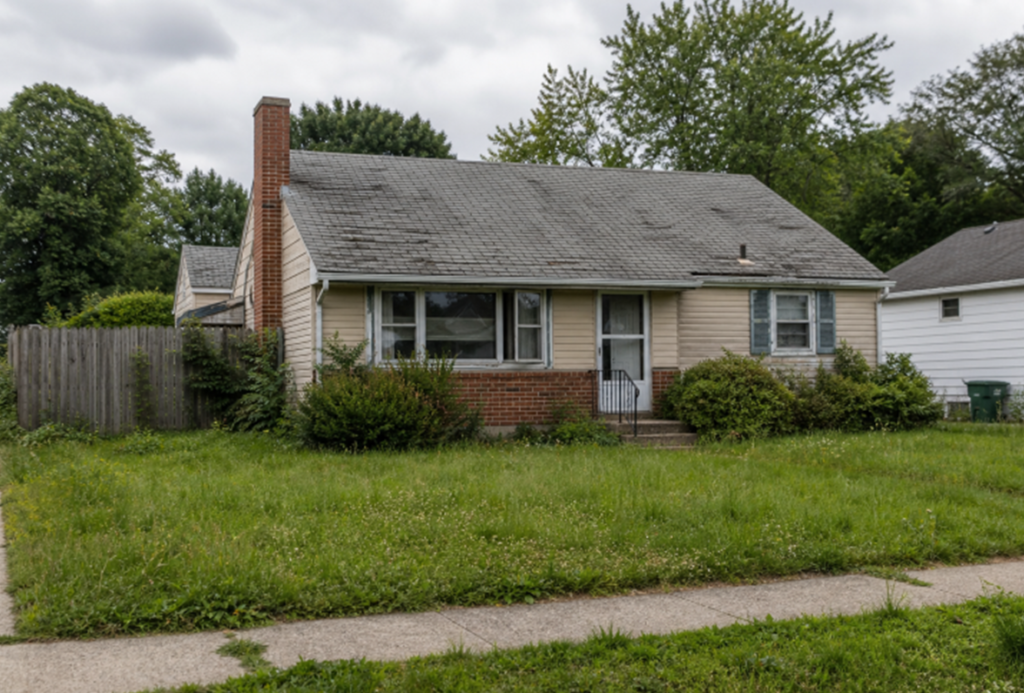

Selling a house as-is can be a practical way to move on from a property that needs work, has become difficult to manage, or must be sold on a tight timeline. Homeowners considering fast home buyers in Covington, WA, should still compare terms carefully, because speed, price, certainty, and convenience do not always arrive in the same offer.
An as-is sale is not a shortcut around paperwork or honesty. It is a selling approach that can reduce repair obligations, but sellers still need to understand their property issues, payoff amounts, contract terms, and local disclosure responsibilities before closing.
What an As-Is Sale Means
In plain language, as-is means the buyer agrees to purchase the home in its present condition. The seller generally does not promise to replace an aging roof, update old electrical work, repair water damage, or remove unwanted belongings unless the contract specifically says otherwise. It does not mean a seller can conceal known material defects or give inaccurate answers on required disclosures.
When Selling As-Is May Make Sense
This route may fit an owner who cannot fund repairs, needs to relocate quickly, inherited a home that needs cleanout work, or no longer wants to manage a difficult rental. It can also be useful when a property has deferred maintenance, damage, code concerns, or a condition that makes staging and repeated showings unrealistic.
For sellers comparing a local direct sale with a listing that may require repairs and buyer financing, a cash offer in Tacoma, WA, can provide another written option to evaluate alongside expected net proceeds and closing flexibility.
Main Ways to Sell a House As-Is
Traditional Listing
An agent can market an as-is property honestly, price it around its condition, and expose it to owner-occupants and investors. The trade-off is that serious defects may narrow the buyer pool, especially if they interfere with an appraisal, inspection, or mortgage approval. Clear listing language and complete disclosures help prevent surprises later.
For-Sale-By-Owner Sale
Selling without an agent may offer greater control and help avoid certain service costs, but the owner must handle pricing, marketing, buyer screening, negotiations, and contract coordination. Title and legal support can be especially valuable when probate, divorce, tenants, liens, or unclear ownership are involved.
Direct Sale to a Cash Buyer
A direct buyer may accept the home in its current condition with fewer contingencies and a closing date that better matches the seller’s plans. In exchange for convenience and reduced preparation, the offer may be lower than what a repaired home could potentially bring through a retail listing.
Short Sale or Mortgage Relief Options
If the home may sell for less than the mortgage payoff, a short sale could require lender approval. Before accepting any agreement under financial pressure, review available foreclosure options and seek qualified legal, tax, or housing counseling.
Costs and Trade-Offs to Review
The highest purchase price is not always the best result. Compare repair bills, contractor permits, cleaning, hauling, landscaping, staging, agent fees, loan payoff amounts, title and escrow charges, transfer taxes, moving costs, and possible tax consequences.
Simple Net-Proceeds Example
- Repaired traditional sale: $500,000 price, $35,000 repairs, $40,000 selling costs, longer preparation period. Estimated amount before loan payoff: $425,000.
- As-is open-market sale: $455,000 price, $5,000 preparation costs, $36,000 selling costs, moderate timeline. Estimated amount before loan payoff: $414,000.
- Direct as-is cash sale: $420,000 price, minimal preparation, $12,000 closing-related costs, shorter timeline. Estimated amount before loan payoff: $408,000.
These figures are hypothetical, not a promise of value. The best path depends on actual repair needs, carrying costs, debt, and the certainty of reaching closing.
How Buyers Calculate an As-Is Offer
Buyers typically consider recent nearby sales, location, size, layout, age, visible repairs, potential hidden issues, renovation costs, insurance, holding costs, resale risk, occupancy, and title issues. Two buyers can reach very different numbers because they use different repair assumptions and profit expectations. Request a written offer and compare the deposit, contingencies, fees, closing date, and assignment language, not just the headline price.
Disclosures, Liens, and Property Problems
Document known concerns such as water intrusion, mold, foundation movement, pests, fire damage, unpermitted work, or prior insurance claims. Gather permits, repair invoices, mortgage statements, tax records, HOA information, and the deed early. Unpaid taxes, judgments, HOA balances, and mortgage liens may need to be resolved before the title can be transferred. A real estate attorney can help when debt or ownership questions are complex.
Red Flags to Watch For
- Pressure to sign immediately or fill in the blank spaces in the contract.
- Large upfront fees, unclear charges, or no proof of funds.
- Instructions to transfer the deed before payment is secured.
- Promises far above market value without a credible explanation.
- Advice to stop making mortgage payments or send payments elsewhere.
- Last-minute price cuts or broad assignment rights that were not clearly disclosed.
Homeowners facing financial stress should recognize that high-pressure foreclosure-relief tactics may include upfront fees, title-transfer requests, and demands to sign documents they do not understand.
A Simple Step-By-Step Selling Plan
- Set priorities for speed, price, privacy, certainty, or convenience.
- Estimate value using comparable sales and the home’s present condition.
- List known defects, liens, tenant concerns, and title issues.
- Gather ownership, loan, tax, insurance, and permit documents.
- Compare traditional, private, and direct-sale offers in writing.
- Verify the buyer, review the contract, and use a qualified title, escrow, or legal professional for closing.
Common Questions From As-Is Sellers
Can a House With Major Repairs Still Be Sold?
Yes. Major repairs can affect price, financing options, buyer interest, and timing, but many buyers purchase homes that need substantial work.
Does Selling As-Is Always Mean Less Money?
Not necessarily. The offer may be lower, but avoiding repairs, delays, carrying expenses, and failed negotiations can improve the practical outcome.
How Long Does an As-Is Sale Take?
Timing depends on title work, inspections, financing, liens, probate, lender requirements, and the parties’ chosen closing date. No sale timeline should be treated as guaranteed.
Final Takeaway
An as-is sale is one option, not automatically the best or worst one. Compare the condition of the home, the deadline, the outstanding debt, the contract protections, and the final net proceeds. Honest disclosures and a carefully reviewed agreement can help a seller move forward with fewer surprises.
Read Also: flypapermagazine.com