
A roof is one of the most important parts of any building. It protects the structure from rain, wind, heat, dust, and many other environmental factors. Despite its importance, it is often ignored until a serious problem appears. When roof issues are left untreated, they can lead to water leaks, structural damage, mold growth, and expensive repairs. Understanding how roofs work, how damage develops, and how to maintain them properly is essential for every property owner.
This detailed guide explains the causes of roof problems, warning signs, repair methods, prevention strategies, and long-term maintenance practices. It also highlights why timely roof repair is essential for protecting your property and avoiding costly damage.
Why Roofs Get Damaged Over Time
Roofs are constantly exposed to harsh weather conditions. Sunlight, rain, wind, and temperature changes slowly weaken roofing materials. Over time, this natural exposure causes cracks, leaks, and structural wear.Another major reason is aging. Every roofing system has a limited lifespan, and materials naturally deteriorate as they get older. Even high-quality roofs will eventually lose strength and flexibility.Poor installation or low-quality materials can also shorten a roof’s life. If a roof is not installed correctly, weak points can form early and lead to frequent problems.Lack of maintenance is another major cause of damage. Small issues that are ignored often turn into bigger problems that require full roof repair.
Warning Signs of Roof Problems
Roof damage usually shows early warning signs before it becomes severe. One of the most common signs is water stains on ceilings or walls. These stains often indicate a leak in the roofing system.Missing, cracked, or curling shingles are another clear sign of damage. These weak spots allow water to enter the structure.Granules collecting in gutters also indicate that shingles are breaking down. This means the roof is losing its protective layer.A sagging roof is a serious warning sign that structural damage may already be present. This requires immediate attention.Higher energy bills can also be linked to roof problems because damaged roofs often reduce insulation efficiency.Recognizing these signs early can help prevent major issues and reduce the need for expensive roof repair.
Types of Roof Damage
Roof damage can appear in different forms depending on weather conditions and material quality.Shingle damage is one of the most common issues. Shingles may crack, loosen, or fall off due to wind and aging.Water leaks are another major problem. They often begin in small areas but can spread quickly inside the structure.Flashing damage is also common. Flashing is used around chimneys, vents, and edges to prevent water entry. When it becomes loose or corroded, leaks begin.Structural damage occurs when water or weight weakens the roof frame. This is more serious and requires immediate repair.Each of these problems eventually leads to the need for professional roof repair if not handled early.
How Roof Repair Is Done
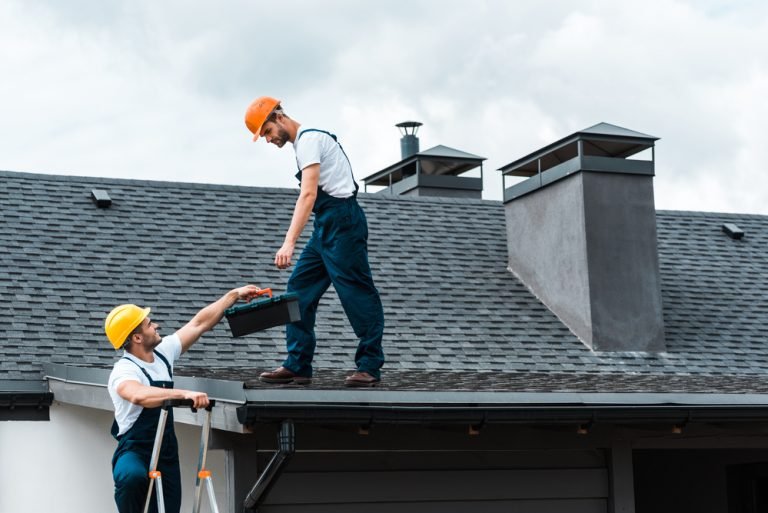
Roof repair follows a step-by-step process to ensure long-lasting results.The first step is inspection. The roof is carefully checked to find visible and hidden damage. This helps determine the exact cause of the problem.The next step is controlling further damage. Temporary fixes may be applied to stop leaks or prevent water entry.After that, damaged materials such as shingles, flashing, or underlayment are replaced. Matching new materials with existing ones ensures consistency.If structural parts are affected, they are reinforced or rebuilt to restore strength.Finally, sealing and waterproofing are done to protect the repaired area from future leaks.This complete process ensures that roof repair not only fixes current problems but also improves long-term durability.
DIY vs Professional Roof Repair
Some small roof tasks can be handled by property owners, such as cleaning gutters or replacing a single shingle. However, most roofing problems require professional skills.DIY repairs can be risky because working at heights is dangerous. Without proper tools and experience, it is easy to make mistakes that worsen the damage.Professionals have the right equipment, training, and safety knowledge to handle repairs correctly. They can also identify hidden issues that are not visible during a basic inspection.For serious damage, professional roof repair is always the safer and more effective choice.Different roofs require different materials for repair work.Asphalt shingles are widely used due to their affordability and ease of installation. Metal roofing is more durable and resistant to extreme weather. Tile roofs are strong and long-lasting but require careful handling.Flashing materials and waterproof sealants are also important for preventing leaks. High-quality materials ensure better protection and longer roof life.Choosing the right materials is a key part of successful roof repair.
Preventing Roof Damage
Preventing roof problems is more effective than fixing them later.Regular inspection is the most important step. Checking the roof at least twice a year helps identify small issues early.Cleaning gutters prevents water buildup and leakage problems. Removing leaves and debris also helps maintain proper drainage.Trimming nearby trees reduces the risk of falling branches damaging the roof.Proper ventilation inside the roof structure helps control moisture and temperature, reducing long-term wear.Applying protective coatings can also increase resistance against weather damage.These preventive steps reduce the need for frequent roof repair.
Why Timely Roof Repair Matters
Delaying roof repairs can lead to serious consequences. A small leak can quickly spread and damage ceilings, walls, and insulation. Over time, this can also lead to mold growth and structural weakening.Timely repair helps prevent these problems and reduces overall costs. Fixing small issues early is always cheaper than major restoration work.Regular maintenance and early action ensure the roof remains strong and reliable for years.
Long-term roof protection requires consistent care and attention. Regular inspections, quick repairs, and quality materials all play an important role.Homeowners should treat roofing as a long-term investment. Proper care increases property value and ensures safety for everyone inside.Working with professionals for inspections and maintenance can further improve roof lifespan and performance.
Conclusion
A strong maintenance plan reduces the need for emergency roof repair and keeps the structure in good condition.
A roof is one of the most important parts of any property, and keeping it in good condition is essential for safety and durability. Understanding how damage occurs, recognizing early signs, and taking preventive steps can save time and money.Proper maintenance and timely action ensure that small problems do not turn into major repairs. Whether it is minor wear or serious damage, addressing issues quickly is always the best approach.In the end, consistent care and timely roof repair are the keys to maintaining a strong, safe, and long-lasting roofing system.