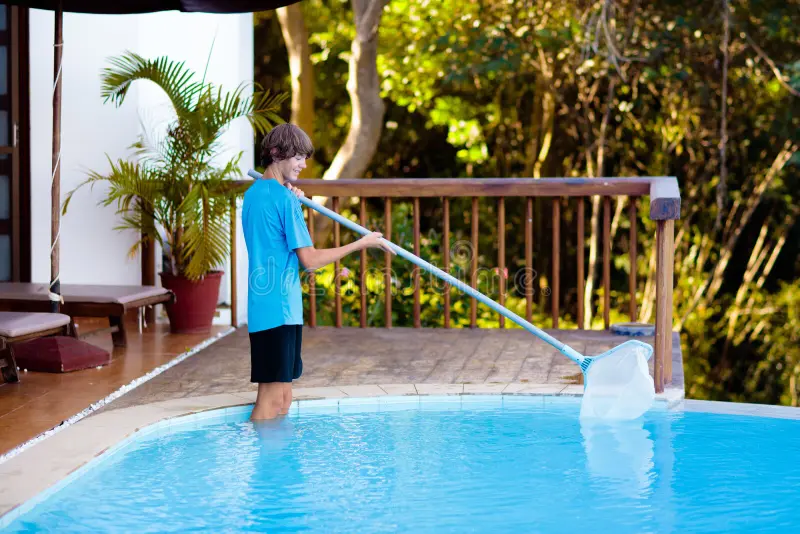

A clean, inviting swimming pool rarely stays that way by accident. Clear water depends on several systems working together, including filtration, circulation, sanitation, water chemistry, surface cleaning, and equipment maintenance, so focusing on only one task usually produces inconsistent results.
The good news is that effective pool maintenance does not need to feel mysterious or overwhelming. When the work follows a regular schedule and each step supports the next, pool owners can prevent many common problems before they lead to cloudy water, algae growth, damaged equipment, or expensive repairs.
Begin With a Consistent Maintenance Schedule
Consistency is one of the most important parts of successful pool care because water conditions can change quickly, especially during hot weather, heavy use, or periods of frequent rain. A pool that looks clean on Monday may develop a chemical imbalance or circulation problem before the weekend if no one checks it in between.
Create a routine that separates frequent tasks from occasional ones. Skimming, checking sanitizer levels, and observing water clarity may need attention several times per week, while filter cleaning, detailed equipment inspections, and certain chemical adjustments can usually follow a longer schedule.
A written checklist can make the routine easier to follow, particularly when more than one person handles pool maintenance. Recording test results, chemical additions, and equipment concerns also makes it easier to identify patterns instead of treating every problem as a new surprise.
Test the Water Before Adding Chemicals
Water testing should come before chemical treatment because pool water can look clear while still being chemically unbalanced. Adding products without knowing the current conditions may waste chemicals, create new imbalances, or make the water uncomfortable for swimmers.
A complete testing routine should consider sanitizer, pH, total alkalinity, calcium hardness, and stabilizer levels when appropriate for the pool type. Saltwater pools may also require monitoring of salt concentration and the performance of the chlorine-generating system.
Use fresh, properly stored testing supplies, and follow the manufacturer’s instructions carefully. Test strips are convenient for routine checks, while liquid test kits or professional testing may provide more detailed information when results appear unusual or a persistent problem develops.
Why Does Water Balance Matter?
Balanced water protects swimmers, pool surfaces, plumbing, and equipment. Water that is too acidic may contribute to corrosion, staining, or surface damage, while water with excessive mineral content may create scale on tile, heaters, salt cells, and other components.
Water balance also affects sanitizer performance. Chlorine may become less effective when pH rises too high, which means a pool can contain chlorine while still being vulnerable to algae and microorganisms.
Avoid changing several chemistry values aggressively at the same time unless the situation clearly requires it. Gradual, measured adjustments are usually easier to control, and retesting after each correction helps prevent the water from swinging from one extreme to another.
Maintain a Reliable Sanitizer Level
Sanitizer helps control bacteria, algae, and other contaminants introduced by swimmers, wind, rain, leaves, insects, and surrounding soil. Chlorine is the most common sanitizer, although the method used to deliver it may vary among traditional chlorinated pools, saltwater systems, and automated feeders.
The correct level depends on the pool, water conditions, stabilizer concentration, and product instructions. Instead of adding the same amount on a fixed schedule regardless of conditions, test the water and adjust the sanitizer according to actual demand.
Heavy swimming, intense sunlight, storms, and organic debris can consume sanitizer more quickly than usual. Checking the water after these events allows you to correct the level before cloudiness, odor, or visible algae appears.
Keep the pH Within the Recommended Range
Pool pH affects swimmer comfort, sanitizer efficiency, and the condition of surfaces and equipment. Water with a low pH may irritate eyes and damage metal components, while a high pH can encourage scale and reduce chlorine effectiveness.
Several factors can shift pH, including rainfall, chemical additions, aeration, fresh water, and the operation of certain sanitation systems. Saltwater pools, for example, may experience a gradual upward pH trend that requires regular attention.
Make small corrections whenever possible, then allow the water to circulate before testing again. Large chemical additions can overshoot the desired range, which may create a cycle of repeatedly adding products to correct the previous correction.
Total Alkalinity Helps Stabilize the Water
Total alkalinity acts as a buffer that helps prevent rapid pH changes. When alkalinity is too low, pH may rise and fall unpredictably, making the pool difficult to manage even when chemicals are added carefully.
Excessively high alkalinity can create a different problem by making the pH resistant to adjustment. It may also contribute to cloudy water or scaling under certain conditions.
Correct alkalinity before repeatedly chasing an unstable pH reading. Once the buffering level is appropriate, smaller pH adjustments are more likely to hold, which simplifies the rest of the maintenance routine.
Check Calcium Hardness to Protect Pool Surfaces
Calcium hardness describes the amount of dissolved calcium in the water. The ideal range can vary according to the pool surface, equipment, climate, and guidance provided by the pool builder or chemical manufacturer.
Water with too little calcium may become aggressive toward plaster, grout, or other cement-based surfaces. Water with too much calcium may deposit scale, particularly when pH, temperature, and alkalinity are also high.
Calcium problems are not always solved by adding a simple balancing product. When hardness becomes excessive, partial draining and replacement with lower-calcium water may be necessary, although local conditions and pool construction should be considered before removing a significant amount of water.
Is Stabilizer Helping or Hurting?
Cyanuric acid, commonly called stabilizer or conditioner, protects chlorine from rapid breakdown under sunlight. Outdoor pools often need some stabilizer, especially during sunny weather when unstabilized chlorine can disappear quickly.
Too much stabilizer can reduce chlorine’s practical effectiveness, making sanitation more difficult even when a test shows chlorine in the water. This problem can develop when stabilized chlorine products are used continuously without monitoring cyanuric acid.
Test stabilizer periodically rather than assuming the level remains unchanged. Because it does not evaporate as quickly as water, concentration may increase over time, particularly when water loss is mainly caused by evaporation rather than splash-out or draining.
Circulation Is the Foundation of Clear Water
Chemicals cannot work evenly when water remains stagnant. The pump moves treated water through the pool, while the filter removes particles that would otherwise remain suspended or settle onto surfaces.
Aim the return jets so water moves throughout the pool rather than circulating only near the equipment. Steps, corners, benches, and areas behind ladders may receive weaker circulation, making them common locations for debris and early algae growth.
The amount of daily circulation needed depends on pool size, pump performance, weather, water temperature, and swimmer use. An efficient variable-speed pump may operate longer at a lower speed, while another system may require a different schedule to achieve sufficient turnover and skimming.
Empty Baskets Before Flow Becomes Restricted
Skimmer and pump baskets collect leaves, insects, hair, and other debris before those materials reach the filter or pump. When the baskets become packed, water flow may decrease, which reduces circulation and places additional strain on the equipment.
Check baskets regularly during swimming season and more frequently after storms or windy days. A pool near trees may require daily attention during periods of heavy leaf or seed drop.
Turn the equipment off before opening the pump basket, and follow the manufacturer’s restart procedure afterward. Improperly secured lids, missing seals, or trapped air can interfere with pump performance and make priming more difficult.
Skim the Surface Frequently
Removing floating debris before it becomes waterlogged is one of the simplest ways to reduce maintenance. Leaves and insects are easier to collect from the surface than from the bottom, where they may stain finishes or break down into smaller particles.
Frequent skimming also reduces the amount of organic material consuming chlorine. This small task can improve water quality while decreasing the workload placed on the circulation and filtration systems.
Pay particular attention after rain, landscaping work, lawn mowing, or high winds. Even pools that appear protected can collect pollen, dust, grass clippings, and other material that gradually affects water clarity.
Brush the Walls, Steps, and Floor
Brushing loosens dirt, algae, biofilm, and mineral deposits before they become firmly attached to pool surfaces. Areas with weaker circulation, including corners, stairs, ladders, and shaded walls, deserve extra attention.
Use a brush that is appropriate for the pool finish. A tool suitable for a durable concrete surface may be too aggressive for vinyl, fiberglass, or a delicate specialty finish.
Brush toward the main drains or open areas where moving water can carry loosened material to the filter. Even when the surfaces look clean, routine brushing can prevent the invisible early growth that later becomes a visible algae problem.
Vacuum Debris From the Pool Floor
Skimming and filtration do not remove every particle. Sand, dirt, leaves, and other materials may settle on the floor, where they can make the pool look neglected and create additional demand on the sanitizer.
Manual vacuums provide direct control and can be useful for targeted cleaning, while automatic cleaners reduce routine labor. Robotic, suction-side, and pressure-side cleaners operate differently, so maintenance and performance expectations should match the selected system.
An automatic cleaner should support the maintenance routine rather than replace observation. Check that it reaches corners, steps, and other difficult areas, then address any surfaces or debris it repeatedly misses.
Clean the Waterline Before Buildup Hardens
Body oils, lotions, pollen, and airborne contaminants can collect along the waterline. If this residue remains in place, it may form a visible ring that becomes increasingly difficult to remove.
Use a cleaning method approved for the pool surface, and avoid household products that may foam, alter the water chemistry, or damage the finish. Regular light cleaning is usually safer and easier than aggressive scrubbing after months of buildup.
Maintaining the proper water level can also help. Water that remains unusually high or low may interfere with skimming and cause deposits to form in less manageable areas.
Give the Filter the Attention It Needs
The filter captures particles that are too small to remove with a net or vacuum alone. Sand, cartridge, and diatomaceous earth filters use different cleaning procedures, so follow the instructions for the installed system rather than applying one method to every pool.
Monitor the filter pressure when the system is clean, then compare future readings with that baseline. A meaningful increase often indicates that trapped debris is restricting flow and the filter needs attention.
Cleaning too frequently can be unnecessary, while waiting too long may reduce circulation and strain the pump. The best timing is based on pressure, water flow, pool conditions, and the filter manufacturer’s recommendations.
Inspect the Pump and Equipment Area
A quick visual inspection can reveal developing problems before they interrupt circulation. Look for water leaks, unusual vibration, air bubbles, corrosion, damaged wiring, loose fittings, or changes in normal operating sounds.
Check the pump lid, seals, valves, and visible plumbing connections. A small air leak on the suction side may reduce performance without creating an obvious water leak, so bubbles in the pump basket or return lines should not be ignored.
Keep vegetation, standing water, and stored materials away from the equipment pad. Clear access makes routine service easier and helps technicians reach the system safely when repairs are required.
Should You Shock the Pool Regularly?
Shock treatment raises the sanitizer level to address contaminants, combined chlorine, algae, or other specific water-quality concerns. It can be useful after heavy swimming, storms, accidental contamination, or a confirmed sanitation problem.
A pool does not necessarily require aggressive shock treatment on the same day every week when chemistry remains stable. Testing and actual water conditions should guide the decision rather than habit alone.
Follow product instructions carefully, consider the existing stabilizer and chlorine levels, and keep swimmers out until the water returns to an appropriate range. Adding excessive shock can waste chemicals, damage surfaces, and delay safe swimming.
Control Algae Before It Spreads
Algae often begins in small areas with poor circulation, low sanitizer, or limited sunlight. A slight discoloration on a step or wall may be the first sign that water conditions are moving in the wrong direction.
Respond quickly by testing the chemistry, correcting sanitizer and pH, brushing affected surfaces, and running the filtration system as needed. Waiting for the entire pool to turn green makes treatment more expensive and labor-intensive.
Algaecides may support a broader treatment plan, but they should not replace proper sanitation, brushing, circulation, and filtration. Removing the cause is more effective than repeatedly masking the visible result.
Adjust the Routine After Storms
Rain can dilute chemicals, introduce debris, alter pH, and raise the water level above the skimmer’s most effective operating range. Wind may also fill the pool with leaves, soil, and organic material.
After a storm, remove debris, check the water level, inspect the equipment, and test the chemistry. Do not assume that clear-looking water has remained balanced simply because no algae is visible.
Severe weather may also interrupt power or damage timers, pumps, covers, and electrical components. Restore circulation only after confirming that the equipment area is safe and no obvious damage has occurred.
High Swimmer Use Requires Extra Attention
Each swimmer introduces oils, sweat, cosmetics, dirt, and other contaminants. A pool used by many people may need more frequent testing, longer circulation, additional cleaning, and careful sanitizer management.
Encouraging swimmers to rinse before entering can reduce the amount of material reaching the water. Keeping food, drinks, and breakable containers away from the pool also makes maintenance easier and supports safer use.
Check the water after parties or unusually busy days instead of waiting for the next regular maintenance appointment. Early correction can prevent cloudy water from developing overnight.
Do Not Ignore the Water Level
The pool’s water level should normally remain high enough for the skimmer to draw water effectively without allowing air into the system. A level that is too high may reduce surface skimming, while a level that is too low can damage the pump.
Evaporation, splash-out, leaks, rainfall, and backwashing all affect the level. Marking a normal reference point can help you notice whether the pool is losing more water than expected.
Frequent refilling may indicate a leak rather than ordinary evaporation. A pool professional can help distinguish normal water loss from a structural, plumbing, or equipment problem.
Seasonal Maintenance Protects the Pool Year-Round
Pools in warm climates may remain open throughout the year, but the maintenance routine should still change with temperature, sunlight, rainfall, and use. Cooler water may consume sanitizer more slowly, while summer heat can increase chemical demand and encourage algae growth.
Pools that close for winter require careful preparation, including balancing the water, cleaning the surfaces, protecting the plumbing, and securing the cover. The exact process depends on the climate, pool construction, and equipment.
Opening the pool correctly is just as important. Remove debris, inspect components, restore the water level, begin circulation, and test the chemistry before assuming the pool is ready for swimming.
Professional Inspections Can Catch Hidden Problems
Routine homeowner maintenance is valuable, but professional inspections can identify concerns that are difficult to recognize without experience. A technician may notice declining pump performance, early filter damage, heater problems, automation errors, or developing leaks.
Professional help is particularly useful when the pool remains cloudy despite balanced chemistry, loses water continuously, develops recurring algae, or produces unusual equipment noises. Repeatedly adding chemicals without identifying the cause often increases expenses without solving the problem.
A service provider can also help create a maintenance schedule based on the pool’s size, construction, equipment, environment, and normal use.
Better Pool Maintenance Comes From Following the Whole Process
The best pool maintenance results come from combining water testing, chemical balance, sanitation, circulation, filtration, surface cleaning, and equipment care. No single product can replace a complete routine because each part of the system affects the others.
Work in a logical order: remove debris, test the water, make measured chemical adjustments, maintain circulation, clean surfaces, and inspect the equipment. Recording what you do makes it easier to evaluate results and avoid unnecessary treatments.
A well-maintained pool should be more than visually attractive. It should have balanced water, dependable equipment, clean surfaces, and a routine that prevents small concerns from becoming expensive problems. With consistent attention and timely professional support, pool owners can enjoy clearer water, fewer interruptions, and better long-term performance from the entire system.