
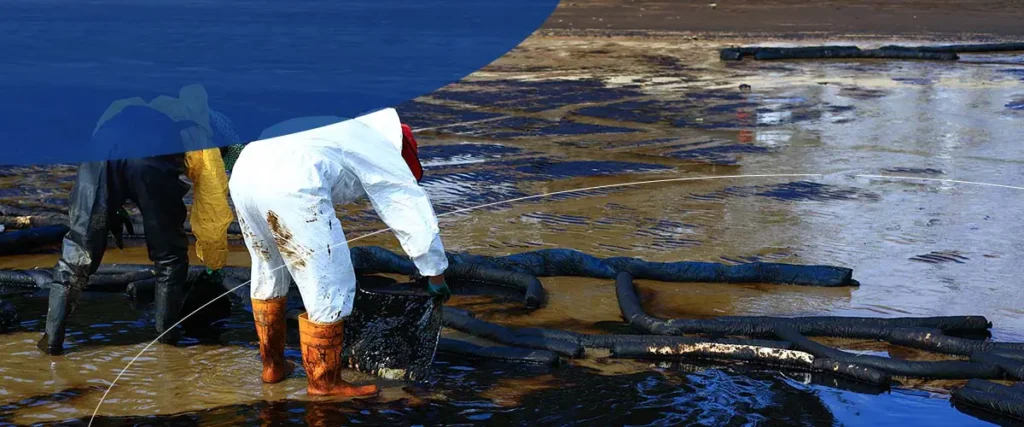

The second a bulk oil spill hits a standard facility drain, a manageable accident transforms into a catastrophic environmental disaster. Facility managers know that containment is the absolute baseline of environmental health and safety. But when containment breaches, the local stormwater system acts like a superhighway, carrying hazardous fluids directly into municipal waterways.
Federal law actively penalizes these events with uncompromising severity. A single oversight can cripple a business financially. The EPA actively pursues massive fines to enforce these environmental standards.
You cannot afford to wait for an accident to test your response protocols. Facility managers need a proactive, fail-safe barrier to stop these disasters before they trigger massive EPA penalties. Relying on manual shut-offs or temporary drain covers is simply too risky when millions of dollars and local ecosystems are on the line.
Key Takeaways
- Unprotected drains exposed to bulk oil spills quickly trigger massive Clean Water Act violations and daily fines.
- Facilities storing specific volumes of above-ground oil face strict mandatory SPCC compliance rules.
- An automatic bulk spill prevention device uses the specific gravity principle to close drains during a spill safely.
- Powerless, low-maintenance valves offer superior, fail-safe reliability over complex electrical systems.
The Financial Reality of a Clean Water Act Violation
What exactly constitutes an environmental violation regarding your stormwater drains? A violation occurs the moment an oil spill escapes a designated containment area and enters a municipal waterway. The regulatory bodies do not care if the spill was an accident or a mechanical failure. Once the hazardous material hits the public water system, the facility is strictly liable for the cleanup and the subsequent penalties.
The financial hit is immediate, compounding, and devastating to an operational budget. Under the Clean Water Act, civil administrative penalties for oil discharges can reach up to $37,500 per day of violation. This daily fine accumulates quickly while your team scrambles to mitigate the damage, hire environmental cleanup crews, and manage negative press.
When a bulk oil spill threatens to turn your standard stormwater drain into a massive environmental violation, you need a reliable barrier that acts instantly. Implementing a fail-safe, powerless solution like an oil stop valve ensures that clean water flows out while hazardous materials are stopped dead in their tracks. It completely severs the connection between your containment zone and the outside world the exact moment danger arrives.
Do You Need to Comply with SPCC Regulations?
Does your facility actually need to comply with Spill Prevention, Control, and Countermeasure (SPCC) regulations? For many industrial operations, the answer is a resounding yes. The regulatory threshold is much lower than many facility managers realize. If you have a few standard intermediate bulk containers (IBCs) or a modest drum storage area, you likely fall under these rules.
Federal guidelines draw a very clear line in the sand regarding oil storage capacity. Facilities storing more than 1,320 gallons of oil above ground must comply with the EPA’s SPCC regulations. This capacity requirement applies to the total aggregate storage across your entire site, not just a single large tank.
Compliance isn’t just about pouring a concrete berm and writing a preparedness manual. A truly compliant facility must allow normal, clean stormwater to drain freely while maintaining constant readiness to capture unexpected bulk spills. If your current setup requires a worker to physically turn a crank or deploy a mat during a torrential downpour, your SPCC strategy has a fatal flaw.
How an Oil Stop Valve Protects Your Facility
At its core, an oil stop valve acts as a reliable, automatic barrier for containment areas. It sits precisely at the intersection of your facility’s operations and the vulnerable municipal water system. During normal operations, you won’t even know it is there.
This technology guarantees that hazardous materials cannot physically escape into the environment during an accident. It removes human error, panic, and reaction time from the equation entirely. When a pipe bursts or a tank ruptures, the valve reacts autonomously to secure the perimeter.
Understanding how this prevention method works requires looking at the brilliant engineering inside the unit. The mechanics rely on undisputed laws of physics rather than easily compromised digital alerts. Let’s explore the science that makes this protection so foolproof.
The Specific Gravity Principle Explained
What is the “specific gravity principle” and why is it so incredibly reliable? Specific gravity compares the density of a liquid against the density of pure water. By leaning on this basic law of nature, engineers created a valve that automatically differentiates between safe rainwater and hazardous oil.
The valve features a single moving part: a specifically weighted cylinder. Because water has a higher density, this cylinder naturally floats in clean stormwater. This buoyancy allows safe, continuous drainage so your facility doesn’t flood during a heavy rainstorm.
However, oil and fuel have a specific gravity of 0.95 or less, meaning they are lighter and less dense than water. The moment these lighter, hazardous liquids enter the chamber, they displace the water holding the float up. The weighted cylinder automatically sinks, sealing the drain shut the very second these liquids are present.
Why Powerless Systems Beat Complex Electrical Alternatives
You might wonder why a powerless, one-moving-part valve is better than modern electrical alternatives. The answer comes down to pure dependability during a worst-case scenario. When disaster strikes, you want the simplest, most resilient barrier standing between you and an EPA violation.
Electrical systems rely on continuous power, delicate sensors, and human intervention. During a chaotic spill event, power outages frequently occur. A lightning storm might knock out the electrical grid right as the rain causes a nearby oil tank to overflow. If your drain protection requires electricity to shut off, you are completely defenseless at the exact moment you need protection the most.
In contrast, gravity never experiences a power outage. A mechanical system operating purely on physics offers superior, fail-safe reliability. Furthermore, removing complex mechanics significantly reduces ongoing maintenance tasks and costs for compliance teams. Your maintenance staff can perform a quick visual inspection rather than spending hours troubleshooting software or replacing corroded electrical sensors.
Tailoring Spill Prevention to Your Specific Environment
Not every facility operates in the same climate, which means spill prevention must adapt to distinct environmental challenges. An oil stop valve must survive the elements year-round. Selecting the right valve materials and add-ons ensures long-term operational success and extends the lifespan of your investment.
| Material Type | Ideal Climate & Environment | Key Operational Benefit |
|---|---|---|
| PVC (Polyvinyl Chloride) | Warm climates, standard industrial yards | Highly cost-effective, perfectly resists corrosion from constant water exposure. |
| Stainless Steel | Freezing temperatures, fire-prone areas | Exceptional durability, resists freezing damage, naturally meets strict industrial fire codes. |
Beyond the base material, you should strongly consider a “Slave Valve Option” for your configuration. This is a highly recommended add-on for specific facility setups, particularly those with fluctuating water levels or long dry spells.
The slave valve functions by keeping the main valve chamber permanently flooded with clean water. This add-on prevents the system from accidentally closing due to normal water evaporation during hot summer months. With this feature installed, the setup becomes completely automatic and maintenance-free, keeping your drain open for the next rainstorm while standing ready for a spill.
Conclusion
Protecting your drain is ultimately about ensuring a minor, manageable accident never escalates into a major EPA violation. The moment oil passes your property line, the legal and financial ramifications threaten the very survival of your business. Proactive containment is the only sensible strategy for modern facility management.
Simple, gravity-powered systems provide the most reliable and cost-effective defense against catastrophic environmental fines. They take the guesswork, the panic, and the electrical dependencies out of your compliance equation. By relying on physics, you secure a foolproof barrier that works perfectly every single time.
Take the time to audit your current stormwater drain setups today. Walk your containment zones and ask yourself what would happen if a catastrophic tank failure occurred tonight. Ensuring complete SPCC compliance now is the best way to safeguard your facility, your budget, and the surrounding environment.