
Table of Contents
- Financial Savings
- Energy Independence
- Environmental Impact
- Increased Home Value
- Government Incentives
- Technological Advancements
- Resilience During Outages
- Community Solar Options
- Conclusion
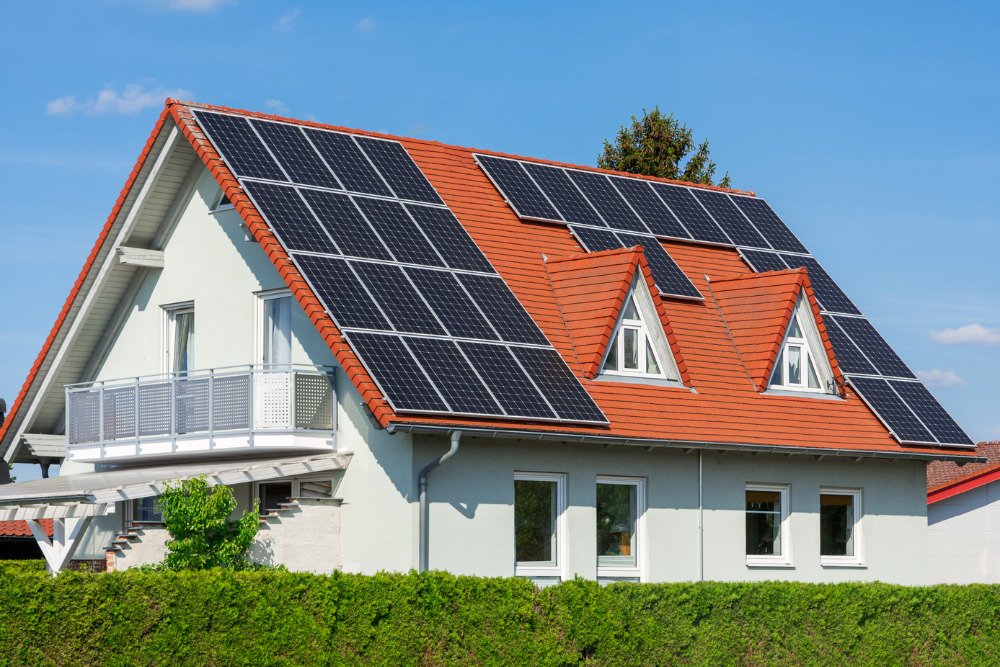
As energy prices continue to climb and eco-friendly solutions become a priority for households, more families are exploring the significant benefits of residential solar power systems. The long-term impact of solar panels reaches beyond just environmental stewardship. From substantial cost savings to improved home value, making the switch to solar can transform how you power your home. Homeowners investigating solar roofing installation are uncovering its role in both personal and collective energy solutions. Solar adoption does more than support environmental health. It provides a direct financial benefit, increases personal and local energy resilience, and reduces dependence on traditional utility providers. Moreover, new policies and technological improvements are continually making solar more accessible and beneficial to a broader segment of homeowners.
Financial Savings
The biggest motivator for homeowners is the promise of significantly lower energy costs. Solar panels can immediately reduce, or in some cases nearly eliminate, monthly electricity bills by providing free energy from the sun for decades. The overall cost of solar has dropped by over 70 percent in the last ten years, making it an increasingly feasible investment for average households.
In addition to immediate monthly savings, solar panels also help shield homeowners from future volatility in energy prices. With traditional energy prices often fluctuating due to supply chain issues, weather events, and global energy demand, having a fixed source of power generation stabilizes a household’s long-term energy expenses. Over the lifespan of a solar system, these ongoing savings can represent tens of thousands of dollars, particularly in areas with high electricity rates. Many homeowners even find that the reduced energy bills can help offset the cost of supplemental investments, such as energy-efficient appliances or smart home systems that further lower overall consumption. Moreover, net metering programs, available in many states, allow homeowners to sell excess energy back to the grid, creating another potential revenue stream. This not only accelerates the payback period for the solar system investment but also promotes more distributed energy production that benefits the grid as a whole. With these multiple avenues for financial benefit, solar is increasingly seen as a prudent, forward-thinking financial decision for households of all income levels.
Energy Independence
Producing electricity on-site through solar panels reduces dependence on utility companies. This is especially important as power grids face instability and price hikes due to higher demand and natural disruptions. Solar systems with battery backup can further strengthen household energy autonomy, providing reassurance that you have access to power even when the larger grid falters. Energy independence also provides peace of mind in uncertain times. As concerns about infrastructure security and supply disruptions continue to mount, a solar-equipped home becomes more resilient against blackouts and brownouts. The integration of smart energy management systems enables homeowners to track, store, and prioritize their energy usage for critical appliances or devices. This advanced level of control is especially attractive to households looking to future-proof their homes against an unpredictable energy landscape.
Environmental Impact
One of the most widely recognized benefits of solar power is its environmental impact. By generating renewable energy at home, you lower your reliance on fossil fuels and drastically reduce greenhouse gas emissions. As homeowners switch to solar, they actively contribute to the fight against climate change and help cultivate healthier local communities. Each solar installation can offset tons of carbon dioxide emissions each year compared to traditional power sources. The cumulative effect of more households installing solar panels is a significant reduction in air and water pollution. In turn, this supports public health by decreasing the prevalence of respiratory and cardiovascular issues linked to fossil fuel emissions. The life-cycle environmental footprint of solar panel manufacturing is further minimized as recycling and responsible sourcing practices continue to improve. Homeowners can take pride not only in their energy independence but also in their meaningful contribution toward a cleaner, safer world for generations to come.
Increased Home Value
Homes fitted with solar systems consistently attract higher property values. Recent research shows that buyers are willing to pay more for homes with existing solar installations, recognizing the ongoing energy savings and sustainability benefits. Solar investment may mean recouping much, if not all, of the system’s original cost when selling the home, making it a sound choice both financially and environmentally. Additionally, homes with solar panels often sell faster than comparable properties without them. Today’s homebuyers are increasingly interested in green features, energy efficiency, and reduced carbon footprints. Solar installations are often seen as modern upgrades, akin to renovated kitchens or luxury appliances, which help them stand out in competitive housing markets. For sellers, this advantage translates to stronger negotiating power and a higher likelihood of attracting environmentally conscious buyers who appreciate the long-term economic and ecological benefits a solar system can deliver.
Government Incentives
Federal, state, and even some local governments continue offering incentives and grants to encourage solar adoption. For example, the EPA’s Solar for All program has awarded $7 billion in grants nationwide to increase residential solar installations, especially in underserved communities. These programs can offset a substantial portion of the upfront cost, speeding up the return on investment for most solar customers. Additional support includes property tax exemptions, sales tax reductions, and rebates for the purchase and installation of solar power systems. Some states offer performance-based incentives that reward homeowners based on the amount of clean energy their panels produce. With mounting government commitment to renewable energy, these financial incentives are likely to expand, further improving the economics of solar adoption for American families in the coming years.
Technological Advancements
Continuous improvements in solar panel design, efficiency, and battery integration have made modern residential systems more reliable and affordable. Today’s solar panels extract more power from the same amount of sunlight, while home battery options allow users to store energy for nighttime or emergency use. These advances ensure that homeowners get the most value and security from their solar investment. Smart inverters and real-time monitoring systems are now standard features in many modern installations, enabling optimized performance tracking and immediate alerts when maintenance is required. Research into new materials, such as perovskite solar cells, promises even greater efficiency gains in the near future. The combination of solar and emerging home automation technologies stands to make residential energy management even more intuitive and effective, enabling homeowners to effortlessly maximize their energy savings and environmental impact.
Resilience During Outages
In areas susceptible to natural disasters or frequent power outages, solar systems with battery storage can keep critical appliances running during outages. According to Stanford University research, approximately 63 percent of American homes could cover at least half their electricity needs during extended blackouts using solar energy paired with storage solutions. Read more about this study here. As infrastructure ages and climate change brings more frequent severe weather, the value of a reliable, decentralized power supply cannot be overstated. Solar and battery storage empower families to maintain comfort, safety, and essential services during grid outages. This resiliency is particularly crucial for households with medical devices, remote work requirements, or other essential electricity needs. As weather-related events increase in frequency and severity, solar power is set to play an increasingly vital role in family emergency preparedness.
Community Solar Options
Many homeowners find themselves unable to install rooftop solar due to structural or ownership issues. Community solar programs offer a viable solution, allowing groups of residents to share the output from a shared solar array. This model ensures that clean energy is accessible even for those renting or living in shaded or multi-family buildings, broadening the social and environmental benefits of solar.
Community solar also fosters a sense of collective action, enabling neighborhoods and municipalities to work together toward sustainability goals. These programs can lead to additional benefits, such as local job creation and increased awareness about renewable energy. The flexibility and inclusivity of community solar projects are making clean power available to a far wider audience, advancing energy equity and building stronger, more connected communities. Residential solar power is not only a wise investment in the future of energy, but also a key way for families to take control of their finances and environmental impact. Coupled with evolving technologies and robust policy support, solar energy continues to gain momentum as the leading choice for forward-thinking homeowners. The transition to clean energy is accelerating, and by joining the movement, homeowners actively shape a more sustainable and resilient future for all.
flypapermagazine.com
Residential solar power has become a practical and forward-thinking solution for homeowners seeking long-term financial savings, greater energy independence, and a reduced environmental footprint. As technology continues to improve and government incentives expand, solar systems are more accessible and efficient than ever before. Beyond cost reduction, solar energy enhances home value, increases resilience during outages, and supports a more stable and sustainable energy future. Options like community solar further ensure that even those without suitable rooftops can participate in clean energy adoption. Ultimately, investing in solar is not just about lowering utility bills, as it’s about taking control of energy use, strengthening household reliability, and contributing to a cleaner, more sustainable world for future generations.