
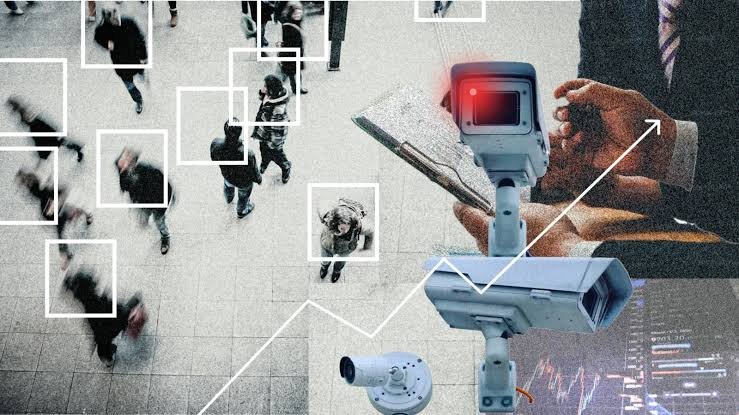

Cities are living, breathing stories—told in brake lights, crosswalk beeps, rain-slicked pavement, and those split seconds when everything changes. And if you’ve ever watched a near-miss unfold right in front of you, you know the feeling: your heart punches your ribs, your hands tighten, and you wish—desperately—that the truth could be captured clearly and shared instantly.
That’s where city-wide access to mass vehicle camera networks enters the conversation. Not as a cold surveillance fantasy, but as a practical, messy, human tool—one that could help you feel safer walking home, help a family get answers after a crash, and help emergency crews arrive faster when every minute feels like an hour.
But you also deserve something else: control, transparency, and a real say in how that power is used.
How a Mass Dash Cam Network Could Work (and Why YOU Should Care)
Picture this: thousands of cars moving through a city every day, each potentially acting like a tiny witness on wheels. When pooled—carefully, ethically, and with strict safeguards—those witnesses can become a network.
A typical model looks like this:
– Distributed recording: Individual vehicles record locally, and only specific clips get shared.
– Event-based uploads: Footage becomes shareable when triggered by a crash, hard braking, a 911 call nearby, or a user report.
– Geofenced access: Data access is limited to a time window and a location radius—so nobody is browsing your whole commute.
– Tiered permissions: You, city agencies, researchers, and insurers might each have different access levels—ideally with your opt-in at the center.
And yes, the dash cam becomes more than a personal insurance buddy. It becomes a potential node in a public-safety web—if, and only if, the rules are written for people, not against them.
This matters to YOU because you’re the one crossing the street, waiting at bus stops, biking in traffic, and hoping that if something goes wrong, the truth won’t disappear into “he said, she said.”
Availability, or “Avail”: When Evidence Finally Shows Up
There’s a small word that carries a lot of weight: avail. It’s not flashy. It doesn’t shout. It simply means “to be of use,” “to help,” “to make a difference.”
Anecdote time: imagine you’re helping a neighbor search for a lost dog at dusk. People are calling out, checking alleys, scanning parks. Hours pass. Then someone remembers a delivery van that drove by—maybe it caught something. The owner hesitates, then checks footage. Suddenly the dog appears on-screen, turning down a side street near a playground. That clip doesn’t just exist—it *avails*. It becomes useful, actionable, relieving.
That’s the emotional promise of wide access done right: when something matters—when you’re scared, or confused, or wronged—information can avail you. It can give you clarity when your memory is shaky and your adrenaline was loud.
City-wide networks could make more truth available quickly, especially when you need it most.
Where the Dash Cam Fits: A City’s “Many Eyes” Approach
Let’s get specific, because “network” can feel abstract. In practice, a mass system might integrate:
– Private vehicles (opt-in drivers sharing footage during incidents)
– Commercial fleets (taxis, delivery trucks, rideshare vehicles)
– Public transit (buses already have cameras; integration is a choice)
– Fixed cameras (traffic cameras, but also privately owned storefront cameras)
The key shift is coordination: turning scattered recordings into a searchable, time-stamped map of what happened.
And still, it starts with individual tools. A dash camera can capture lane changes, plate numbers, signal timing, and the exact moment someone runs a red light. Multiply that by thousands of vehicles, and you’re looking at a potential city memory—one that could reduce hit-and-run escapes and speed up investigations.
But YOU should also hear the warning bell: city memory can become city surveillance if safeguards are weak.
Forward: The Temptation to Rush Ahead Too Fast
Progress is exciting. It’s also dangerous when it’s sloppy.
Here’s the quick anecdote about forward: think of a time you sent an email meant for a friend—and your thumb hit “forward” instead of “reply.” The message goes to the whole thread. Instantly, you feel that sinkhole drop in your stomach. That tiny action changed who had access. Not because you meant harm, but because systems make it easy to overshare.
That’s the lesson for mass camera access: the biggest risk isn’t always a villain. Sometimes it’s a rushed process, a vague policy, a poorly trained contractor, a “temporary” exception that becomes permanent.
To move forward safely, cities would need:
– Clear opt-in and opt-out
– Strong audit logs (every access recorded and reviewable)
– Short retention windows (days, not years, unless legally required)
– Severe penalties for misuse
– Public reporting so YOU can see how often footage is accessed and why
If a city can’t explain its system to you in plain language, it’s not ready.
Helical Systems: Why the Design Must Spiral Around YOUR Rights
Now for the third anecdote—helical.
Picture a helical staircase in an old building: it spirals upward, and each step depends on the one before it. If one section is cracked, the whole climb feels shaky. You grip the railing tighter. You pay attention to every footfall.
That’s exactly how a trustworthy camera network must be built: helical, step-by-step, spiraling upward with safeguards reinforcing each other. Privacy isn’t a single lock on a door. It’s many layers:
– Encryption on recordings
– Blurring of faces and plates for non-investigative use
– Decentralized storage so one breach doesn’t expose everything
– Independent oversight boards
– Warrants or strict legal thresholds for certain kinds of access
When these measures spiral together—like a helical structure—you get strength. Without them, you get fear. And YOU deserve strength, not fear.
Practical Benefits YOU Could Actually Feel
When handled responsibly, mass access could show up in your life in tangible ways:
– Faster crash resolution: less waiting, fewer disputes, clearer fault determination.
– Hit-and-run accountability: more cases solved because multiple angles exist.
– Better emergency response: real-time confirmation of blocked intersections or multi-car pileups.
– Safer intersections: data revealing patterns of near-misses, not just reported crashes.
– Community-led safety fixes: residents pushing for redesigns with evidence, not just anecdotes.
And yes—this is where the dash cam becomes a civic tool, not merely a personal one.
The Hard Questions YOU Must Ask Before Any Rollout
Before anyone flips the switch, YOU should demand answers like:
1. **Who owns https://flypapermagazine.com/