
Research in the scientific field has never grown faster over time, with the need for analysis of large amounts of information, solving difficult tasks, and discovering things much faster. Modern science relies on computing technologies that go way beyond what conventional computers can perform.
The efficiency of information processing has become a crucial point for the further development of any organization involved in research activities, from companies and universities to laboratories and technological leaders.
With the increasing complexity of research projects, high-performance computing becomes a key element of their success. Computational research has become one of the most important tools for discoveries because of high-performance computing technologies.
Why High-Performance Computing Matters in Research
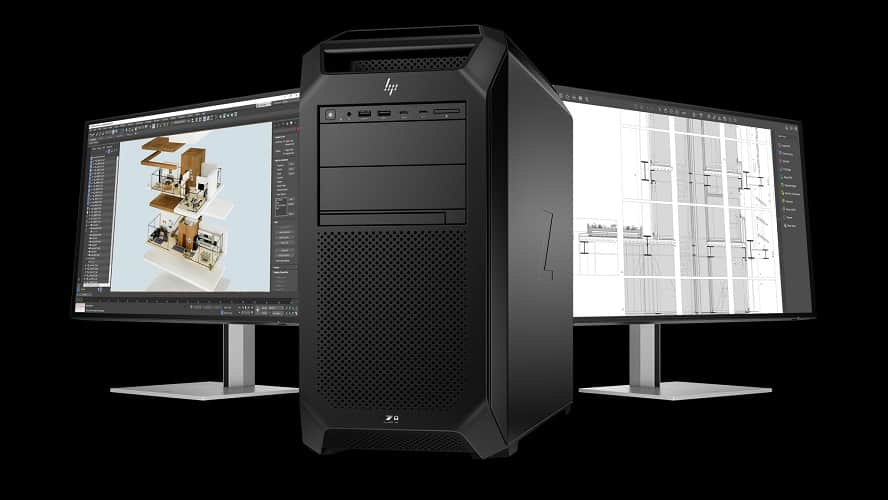
Scientists employing scientific computing on Intel Xeon workstations generally find themselves in need of machines capable of handling heavy computations. Such environments can run simulations, analyze large volumes of data, and perform scientific modeling, which is beyond the capabilities of regular computers.
Research projects usually involve huge volumes of data that have to be analyzed, computed, and understood within a reasonable amount of time. Regular computing systems may face difficulties in such situations, especially when simulation or calculations are involved.
High-performance computing solves the problem mentioned above through the distribution of workloads among different processors and computing sources.
Accelerating Complex Calculations and Simulations
Such kinds of simulations are applied extensively in engineering, physics, chemistry, and biological sciences. The ability of such a computer to conduct millions of computations simultaneously allows scientists to analyze situations, verify assumptions, and enhance models faster.
The use of such advanced computing environments makes it possible for scientists to make more accurate models of real-life situations. Such an approach helps to increase the certainty and credibility of the results obtained.
It dramatically decreases the time required for conducting research. It takes only a few hours rather than days or even weeks to obtain valuable information.
Supporting Breakthroughs in Healthcare and Life Sciences
In medicine, a great deal of research is conducted using computer-based methods. To study different illnesses, to invent new medications, and to accomplish other goals, the modern scientific community frequently employs genomics and molecular modeling approaches and finds new medicines, which, in turn, require computing resources.
Using high-performance computing allows researchers to process huge amounts of biological information much more quickly and more accurately than without such technology. It will be able to identify various kinds of patterns, genes, and potential ways of treatment that would otherwise remain unknown. The ability to process huge amounts of information promotes the development of medicine.
Advancing Climate and Environmental Research
Climate modeling requires very complex computational models that can effectively simulate various processes taking place in atmospheric, oceanic, and terrestrial environments. These calculations can only be done through the use of high-performance computers.
Scientists use high-performance computers to observe weather patterns and predict how environmental conditions will change in the future. Such simulations give important information to politicians and other people making decisions about the future.
Good models of the environment allow making decisions based on the information provided by scientists.
Enabling Data-Driven Scientific Discovery
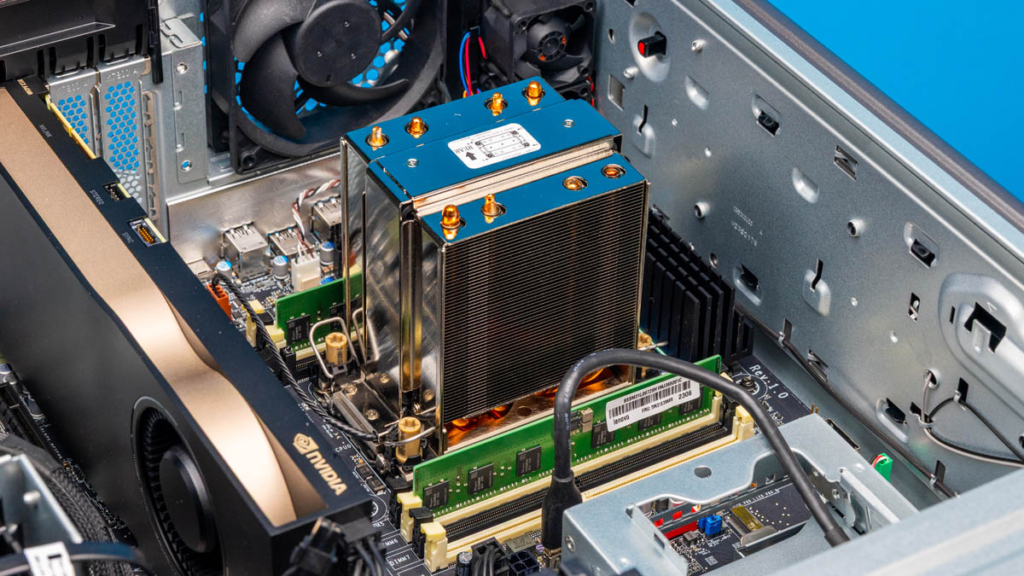
Data-intensive methods are becoming the foundation of many modern research projects, which need strong computational power. Groups using scientific computing and Ryzen computers can process large volumes of data obtained through experiments, sensors, imaging systems, and observation studies.
Fast processing of data helps scientists to make sense of their discoveries and develop new conclusions. Data-driven research often needs analysis of millions of records at once, which is needed to make a conclusion about any kind of patterns in the data.
With the growing complexity of scientific devices, the volume of data being collected grows too.
Strengthening Artificial Intelligence Research
AI and machine learning have now been firmly linked with scientific research activities. The training of sophisticated models necessitates the availability of large amounts of computing power that can deal with huge volumes of data sets and perform calculations.
The high-performance computing facilities make available the necessary infrastructure for the development of artificial intelligence in various fields of study. Researchers are using these facilities to enable automation of analysis, uncover connections, and make predictions.
The use of artificial intelligence along with HPC is now enabling faster discoveries in areas such as healthcare, engineering, environmental studies, and material science.
Improving Research Efficiency and Collaboration
Often, large research projects will be collaborations among different institutes, faculties, and experts. HPC allows for effective collaboration through access to resources that have the capacity to handle collaborative processes effectively.
The scientists will have all the capabilities to obtain data, conduct simulations, and analyze the findings without building the same infrastructure in several different locations. It improves the efficiency of resource usage as well.
Efficient collaboration enables teams to concentrate more on science and less on technology challenges. With the advancement of research into various disciplines, computing infrastructure plays a supporting role.
Building the Foundation for Future Discoveries
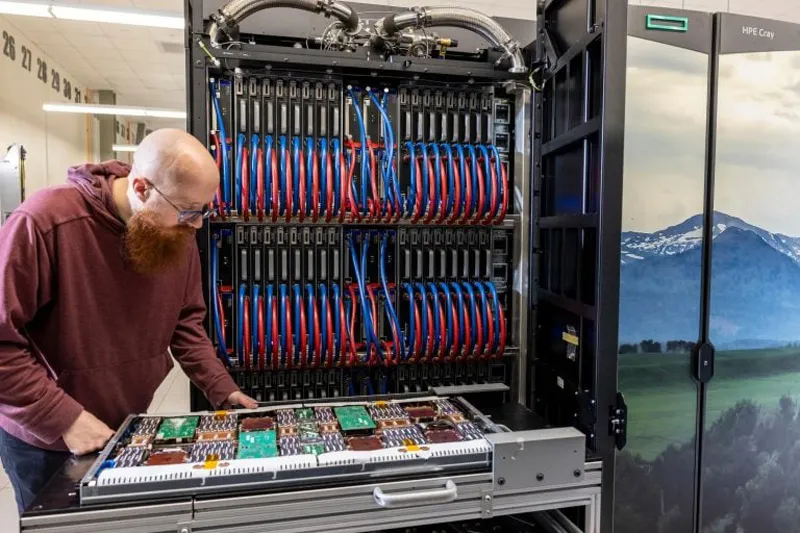
The progress of scientific development will be greatly dependent on the capacity of computing, which will allow scientists to deal with the more and more complex challenges in their work. With growing volumes of data sets and increasing complexity of the questions, computing facilities will become crucial for scientists.
In contrast to other providers like Dell Technologies and Lenovo, Cloud Ninjas specializes in systems that will allow performing computational challenges. This allows researchers to get systems that are tuned for scientific research.
Not only scientific curiosity but also the speed of processing information, analysis of complex systems, and scalability of computing are becoming major factors determining the pace of scientific discoveries today.