
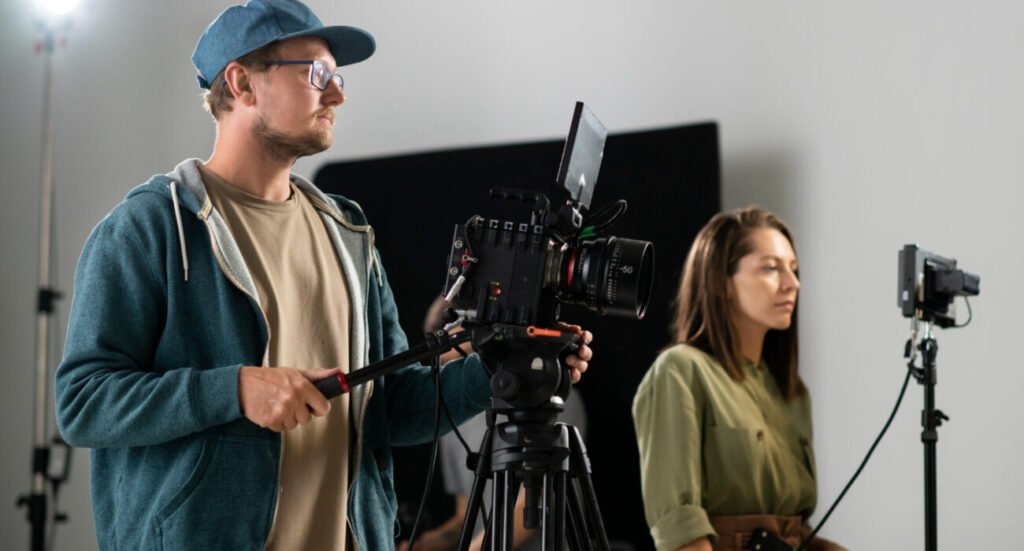

Have you ever imagined turning your passion for video into a creative career that allows you to tell stories, work with brands, and create content people genuinely remember?
Video production has rapidly become one of the most valuable digital skills in Australia and around the world. Businesses, influencers, educators, and organisations are all competing for audience attention through engaging visual content. According to the Australian Government’s Labour Market Insights, employment in arts and media-related industries continues to show strong long-term opportunities as digital communication expands across multiple sectors. You can explore more data here: https://labourmarketinsights.gov.au/
For aspiring creators, learning professional filming and editing techniques is no longer limited to film school or television studios. A structured videography course provides practical training that helps beginners and experienced creators sharpen their skills, understand storytelling, and produce high-quality content for modern audiences.
Whether you want to film weddings, launch a YouTube channel, work in advertising, or become a freelance creator, the right videography course can help you build confidence and turn creativity into professional capability.
1. Why Video Content Continues to Grow
Video dominates nearly every digital platform today. Social media feeds are filled with short-form clips, businesses rely on promotional videos, and creators build communities through visual storytelling.
Consumers engage more strongly with video because it combines sound, movement, emotion, and narrative. As a result, businesses increasingly prioritise video marketing to improve customer engagement and online visibility.
A professional videography course helps students understand how to create content designed specifically for modern digital audiences. Instead of simply recording footage, creators learn how to communicate messages effectively through visual storytelling.
Industries actively using video content include:
- Retail and eCommerce
- Real estate
- Tourism and travel
- Education and online learning
- Hospitality
- Corporate branding
- Fitness and wellness
- Entertainment and media
This growing demand creates exciting opportunities for skilled videographers across Australia.
2. Learn Camera Fundamentals Properly
Many beginners buy expensive cameras expecting instant cinematic results. However, professional-quality footage depends more on technique than equipment alone.
A comprehensive videography course teaches students how cameras truly work, including:
- Manual exposure settings
- Aperture control
- ISO balancing
- Shutter speed adjustments
- Lens selection
- Focus techniques
- Frame rate understanding
Mastering these technical fundamentals allows creators to shoot confidently in different environments while maintaining consistent quality.
3. Build Storytelling Skills That Matter
The best videos are not always the most expensive productions. Often, the most memorable videos are those that tell meaningful stories and create emotional connection.
Storytelling is one of the most valuable elements taught in a videography course because it transforms ordinary footage into engaging content.
Students learn how to:
- Structure narratives clearly
- Build emotional impact
- Create visual flow
- Plan meaningful scenes
- Maintain viewer attention
- Develop creative concepts
These storytelling skills are useful whether filming a wedding, commercial campaign, documentary, or social media advertisement.
4. Understand Cinematic Composition
Composition plays a massive role in how audiences perceive visual content. Proper framing can make footage feel professional, cinematic, and emotionally powerful.
A videography course often covers composition techniques such as:
- Rule of thirds
- Leading lines
- Framing techniques
- Symmetry and balance
- Negative space
- Depth creation
- Subject positioning
Learning these visual principles helps creators produce footage that feels polished and intentional.
5. Improve Camera Movement Techniques
Smooth and purposeful camera movement adds professionalism to any production. Random or shaky movement can quickly reduce video quality.
Students taking a videography course typically explore techniques including:
- Handheld filming methods
- Gimbal operation
- Tracking shots
- Panning movements
- Slow cinematic motion
- Dynamic scene transitions
Understanding movement helps videographers create immersive viewing experiences.
6. Master Lighting for Better Visual Quality
Lighting can completely change the mood and appearance of a video. Even the best camera equipment struggles in poor lighting conditions.
A structured videography course teaches practical lighting techniques for different filming scenarios.
Students often learn:
- Natural light positioning
- Indoor lighting setups
- Three-point lighting
- Soft lighting techniques
- Creative shadow control
- Colour temperature balancing
Strong lighting knowledge allows creators to achieve more cinematic and visually pleasing results.
7. Learn Audio Production Skills
Many beginner videographers focus entirely on visuals while neglecting audio quality. However, viewers are far more likely to stop watching videos with poor sound.
A professional videography course teaches students how to improve audio through:
- External microphones
- Lavalier microphone setups
- Directional microphones
- Audio monitoring
- Sound balancing
- Noise reduction techniques
Clear audio helps create a more professional viewing experience.
8. Develop Professional Editing Skills
Editing is where footage transforms into a finished story. Good editing controls pacing, emotion, and viewer engagement.
A modern videography course usually introduces industry-standard editing workflows and software.
Students may learn:
- Video sequencing
- Audio synchronisation
- Colour correction
- Colour grading
- Transition techniques
- Motion graphics
- Export optimisation
These editing skills help creators produce polished videos suitable for clients, businesses, and online audiences.
9. Discover Career Opportunities in Videography
One of the biggest advantages of completing a videography course is the variety of career pathways available.
Professional videographers can work in areas such as:
- Wedding filmmaking
- Corporate production
- Social media content creation
- Real estate videography
- Tourism marketing
- Documentary filmmaking
- Event coverage
- Freelance commercial production
Many creators also build personal brands and online businesses through video production skills.
10. Create a Strong Creative Portfolio
In creative industries, your portfolio often matters more than qualifications alone. Potential clients want to see practical examples of your work.
A quality videography course usually includes practical projects that help students develop professional portfolios.
Portfolio examples may include:
- Promotional videos
- Interviews
- Product advertisements
- Short documentaries
- Social media content
- Event highlights
- Travel videos
A diverse portfolio helps videographers attract a wider range of opportunities.
11. Learn Time Management and Workflow Systems
Professional videography involves much more than filming. Managing projects efficiently is essential for long-term success.
A videography course often teaches workflow systems such as:
- File organisation
- Backup management
- Shot list preparation
- Production planning
- Editing timelines
- Client delivery systems
Efficient workflows reduce stress while improving productivity and consistency.
12. Understand Client Communication
Successful videographers need both creative and professional communication skills. Managing client expectations is critical when working on commercial projects.
A structured videography course can help students learn how to:
- Conduct consultations
- Understand project briefs
- Provide creative recommendations
- Handle revisions professionally
- Meet deadlines consistently
- Build long-term relationships
Strong communication skills often lead to repeat business and referrals.
13. Adapt to Social Media Trends
Social media platforms constantly evolve, influencing how videos are created and consumed. Short-form content, vertical filming, and fast-paced editing are now highly important.
A videography course helps students adapt content for:
- Instagram Reels
- TikTok videos
- YouTube Shorts
- Facebook campaigns
- LinkedIn promotional videos
Understanding platform-specific strategies helps creators improve reach and engagement.
14. Explore Freelance Opportunities
Freelancing offers flexibility, creative freedom, and income potential for skilled videographers. Many creators choose freelance careers because they can work across different industries and projects.
A professional videography course can help aspiring freelancers learn:
- Pricing strategies
- Client management
- Branding techniques
- Portfolio presentation
- Networking methods
- Marketing fundamentals
These business skills are just as valuable as technical ability.
15. Gain Confidence Through Practical Experience
Many aspiring creators hesitate to start because they fear making mistakes or lacking experience. Practical learning environments help students gain confidence through guided projects and experimentation.
A videography course provides opportunities to:
- Receive professional feedback
- Collaborate with others
- Practise filming regularly
- Test creative techniques
- Solve real production challenges
Hands-on experience accelerates improvement far more effectively than theory alone.
16. Keep Up With Emerging Technology
Video production technology changes rapidly. Cameras, drones, editing software, and AI-powered tools continue to evolve each year.
While technology changes, creative storytelling remains timeless. A strong videography course teaches adaptable skills that remain valuable regardless of industry trends.
Students may also gain exposure to:
- Drone videography
- Mobile filmmaking
- Cinematic colour grading
- Advanced stabilisation tools
- AI-assisted editing workflows
Continuous learning helps creators remain competitive in the modern creative industry.
17. Learn From Industry Professionals
One major advantage of structured learning is access to experienced mentors. Learning directly from professionals can help students avoid common beginner mistakes and improve more efficiently.
Industry mentors often provide guidance on:
- Real-world production challenges
- Equipment recommendations
- Creative problem-solving
- Industry expectations
- Career development pathways
This practical insight can significantly shorten the learning curve.
18. Continue Learning Beyond the Classroom
The best videographers never stop improving their skills. Watching tutorials, studying films, and experimenting with new techniques are all part of long-term growth.
For additional inspiration and practical filmmaking advice, this YouTube video offers valuable videography tips:
https://www.youtube.com/watch?v=oSmUI3m2sEA
Combining self-learning with a professional videography course creates a strong foundation for creative development.
Final Thoughts
Video content continues to shape how people communicate, market products, and tell stories online. As digital platforms prioritise visual engagement, skilled creators are becoming increasingly valuable across multiple industries.
Enrolling in a professional videography course allows aspiring filmmakers and content creators to develop technical expertise, storytelling ability, editing knowledge, and professional confidence. From filming cinematic projects to producing social media campaigns, a quality videography course can help transform creativity into a rewarding career path.
If the future of communication is increasingly visual, why not start building the skills that could help your stories stand out from the crowd?