
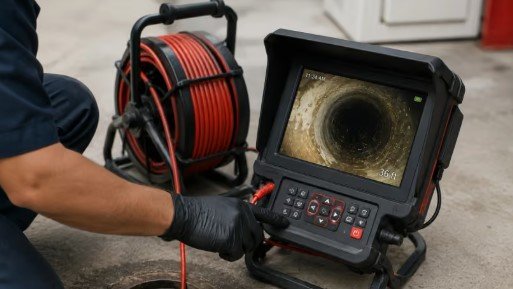

A recurring drain backup can be frustrating for any Provo homeowner, especially when the suspected problem is buried beneath a yard, driveway, or finished basement. Scheduling a sewer camera inspection in Provo Utah, gives you a view inside the line before approving excavation or a major repair.
Camera footage does not repair a pipe, but it can replace assumptions with visual evidence. That matters when deciding whether a slow or blocked line needs cleaning, a targeted repair, monitoring, or a more extensive replacement.
Why Camera Inspections Matter
Slow fixtures, gurgling toilets, and backups can come from several causes. The issue may be grease and debris near the house, root growth farther down the lateral, or a damaged pipe section that repeatedly catches waste. In Provo, property owners generally maintain the sewer lateral running from the building to the public main, as the City’s water and sewer information explains. Knowing where the problem sits is important before deciding who should address it and what work is appropriate.
Digging based solely on symptoms can lead to opening the wrong area or performing more surface restoration than necessary. A camera inspection helps narrow the issue first, although a technician may still need additional locating equipment or cleaning to reach and assess the full line.
What a Camera Can See
A technician usually inserts a small waterproof camera through a cleanout or another suitable access point. The camera travels on a flexible cable while live images appear on a monitor. These CCTV drain cameras are designed to inspect the interior of pipes without first exposing them from above.
Depending on pipe access and visibility, the video may show interior walls, lodged debris, root growth, cracked sections, shifted connections, mineral scale, grease, and standing water. A camera can also show where the view ends if a blockage or collapse prevents it from moving farther.
Common Sewer Line Problems Found on Video
Root Intrusion
Roots can enter through an opening at a joint, crack, or damaged connection. Cutting or clearing roots may restore flow, but the entry point may remain. Footage helps determine whether the line also needs repair or scheduled follow-up cleaning.
Cracks, Breaks, and Shifted Joints
Cracks and open joints can allow soil or debris into the pipe and give roots a path inside. When pipe sections shift out of alignment, the offset may snag paper and waste. A full break can restrict flow and may worsen if the surrounding soil movement continues.
Low Spots and Buildup
A low section, often called a belly, holds water after normal drainage should have stopped. It can collect debris, contributing to repeated clogs. By contrast, heavy grease, sludge, or scale may narrow an otherwise sound pipe and respond well to professional cleaning.
Collapsed Sections
A collapse is a serious structural issue. The camera may stop at the damaged area, or the video may show a severely narrowed or blocked passage. This finding often calls for a direct repair plan rather than another routine drain cleaning.
When to Schedule an Inspection
- Backups return after a drain has already been cleared.
- Multiple fixtures drain slowly or gurgle simultaneously.
- You notice odors, unexplained wet ground, or a depression near the suspected sewer route.
- You are considering excavation, remodeling, or replacing an older sewer lateral.
- Recent root removal helped only briefly.
How the Process Works
- Access is identified. A technician locates a cleanout or another appropriate entry point.
- The line is inspected. The camera is advanced while the technician watches for blockages, damage, and changes in pipe condition.
- Important findings are recorded. Distance markings, still images, or saved video can document notable areas.
- The defect is located from above when possible. A surface locator may help identify where digging or repair would be needed.
- Options are reviewed. The discussion may include cleaning, maintenance, spot repair, trenchless methods, excavation, or monitoring.
How to Review the Footage
A useful report does more than display dark pipe footage. Ask for the distance from the entry point, whether the camera reached the full accessible line, and whether water or debris prevented a complete view. Also, ask whether the condition is primarily a blockage, a structural defect, or both.
Saved video and images can be helpful when comparing repair proposals. If an issue is found on the surface, confirm its approximate location relative to landscaping, pavement, utilities, or the foundation before approving work.
How Results Shape Repair Options
The right repair depends on what the camera shows. Cleaning may be sufficient for loose debris, grease, or scale in a sound pipe. Root removal can reopen a line, but recurring roots may point to open joints or cracks. A single damaged area may be suitable for spot repair. Some lines may qualify for trenchless lining or pipe bursting, while severe collapse, major grade problems, or inaccessible sections can require conventional excavation.
Why Home Buyers Should Consider a Sewer Scope
A standard home inspection may not fully evaluate an underground sewer lateral. A line can drain during a walkthrough while still containing root intrusion, a displaced joint, or an early structural concern. For buyers considering an older Provo home, a sewer scope can provide information to request repairs, seek a credit, revise the offer, or proceed with greater confidence.
Questions to Ask Before Approving Repairs
- What does the footage show, and where is the issue?
- How far did the camera travel?
- Was the line cleaned before inspection, and did cleaning change the diagnosis?
- Is this a blockage, a pipe defect, or both?
- Can the condition be monitored, or is repair time-sensitive?
- Which repair methods are appropriate for this pipe and this type of damage?
- Will permits, utility marking, landscaping, or pavement restoration affect the project?
Frequently Asked Questions
Can a sewer camera find every problem?
No. A camera can only show what it can reach and see. Heavy water, debris, tight turns, or a complete collapse can limit the inspection.
Does the line need to be cleaned first?
Sometimes. Cleaning can improve visibility, but the best order depends on the symptoms and whether the technician needs to identify the blockage before clearing it.
Can a camera identify the exact repair location?
Distance readings and surface locating can narrow the location. Final accuracy depends on access, equipment, pipe depth, and site conditions.
Is a camera inspection worth it?
It is often worthwhile when drainage problems return, a major repair is being considered, or a property purchase depends on understanding the underground line. For a one-time clog that clears fully and never returns, it may not be necessary.
Final Thoughts
A sewer camera turns a hidden pipe concern into visible information. It cannot replace professional judgment, but it can help Provo property owners make repair decisions based on the line’s condition and location rather than on guesswork. When a sewer problem keeps coming back, or excavation is on the table, seeing inside the pipe is a sensible first step.