
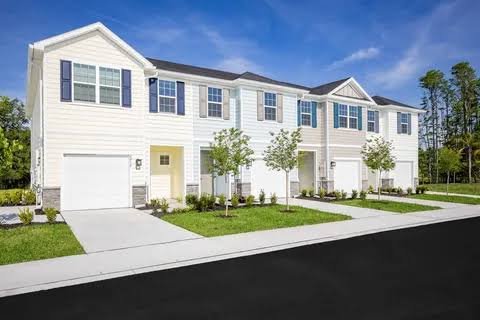

Selling a home in Land O’ Lakes can look very different from one property to the next. A newer home near the State Road 54 corridor may appeal to buyers looking for modern amenities, while an older home, a rental, or an inherited property may require a simpler plan. Homeowners considering Cash for homes in Land O’ Lakes, FL should first decide what matters most: the highest possible price, a faster closing, fewer repairs, more privacy, or greater certainty.
There is no single best method for every seller. The right choice depends on the home’s condition, the owner’s timeline, mortgage balance, title status, and willingness to prepare the property for showings. Comparing the full financial outcome and contract terms can be more useful than focusing only on the offer price.
What Land O’ Lakes Sellers Should Know About the Local Market
Land O’ Lakes includes a broad mix of established neighborhoods, planned communities, lake-adjacent homes, and areas influenced by continuing development. Buyer interest, competition, and pricing can vary based on access to major roads, school preferences, community amenities, lot size, age of the home, and the condition of comparable properties nearby. New construction can also affect resale decisions in communities and growth areas near Connerton, Bexley, and the State Road 54 corridor. A resale home may stand out through a finished yard, established landscaping, upgrades, or a move-in-ready condition. On the other hand, a seller may need to price realistically if buyers can compare the home with builder incentives or newly built alternatives. Some owners prefer to explore direct-sale options through House buyers in Florida when they do not want to list publicly, manage repeated showings, or wait through a standard mortgage approval process. That option can be worth comparing alongside a traditional listing, especially when time or repairs are a concern.
Main Ways to Sell a House in Land O’ Lakes
Traditional Listing
A traditional listing typically involves hiring a real estate agent to price, market, show, and negotiate the sale. This route can provide broad exposure for buyers, but it may require cleaning, repairs, staging, photography, open houses, and flexibility with showings. The closing timeline can also depend on the buyer’s financing, inspection results, and appraisal.
For-Sale-By-Owner or Private Sale
An owner can market the property independently or sell directly to a friend, relative, tenant, or other known buyer. This may reduce some selling expenses, but the seller remains responsible for pricing, communication, negotiations, paperwork, and coordinating a qualified closing provider. A private buyer should still receive the same careful contract review as any other buyer.
Cash Offer
A cash offer does not rely on a conventional mortgage loan, which can reduce financing-related uncertainty. It does not automatically mean the offer is better. Sellers should compare the proposed price, proof of funds, inspection rights, closing date, deposit, assignment language, and estimated net proceeds. A lower offer with fewer contingencies may fit one seller’s needs better than a higher but less certain offer.
What Can Slow Down a Home Sale?
Price is often a major factor. A home priced above similar nearby properties may receive less attention, even if it has desirable features. Condition and documentation can matter just as much. Roof age, plumbing concerns, electrical issues, HVAC problems, water intrusion, drainage questions, insurance history, liens, unpaid taxes, probate, and homeowner association balances can all complicate a transaction. For example, a modest Land O’ Lakes home priced in line with recent comparable sales and supported by clear records may move forward more smoothly than a larger home with an unresolved title issue or evidence of unrepaired storm damage. The more uncertainty a buyer sees, the more likely they are to request concessions, extend deadlines, or withdraw under a contract contingency.
When Selling As-Is May Make Sense
An as-is sale can be practical for a property with substantial repair needs, an inherited home that needs clearing out, a vacant house with ongoing carrying costs, or a rental with difficult maintenance issues. It can also help owners who need a defined closing timeline and do not want to complete major renovations before selling. “As-is” does not mean a seller can withhold known material problems. It generally means the property is being offered in its current condition, with the buyer deciding whether to inspect, negotiate, or proceed. Skipping repairs may save time and upfront cash, but buyers may account for expected repairs, risk, and resale plans when setting their offer.
Compare Net Proceeds, Not Just the Sale Price
A strong selling decision starts with the amount the owner is likely to receive at closing. Review the mortgage payoff, agent fees or service fees, title and closing charges, property tax adjustments, association dues, utilities, repair expenses, cleaning, landscaping, staging, and monthly costs that continue while the house remains unsold.
Estimated Net Proceeds = Sale Price − Loan Payoff − Selling Costs − Repairs − Other Closing Adjustments
Use this calculation for every serious option. A higher advertised price may not produce the highest net if it requires extensive updates, months of holding costs, or significant buyer concessions after inspection.
Florida Disclosures and Property Records
Sellers should gather records early, including the deed, mortgage payoff information, tax details, permits, repair invoices, insurance claim information, and homeowner association documents when applicable. Florida law requires a seller to provide a residential flood disclosure at or before the sales contract is executed, so sellers should understand the required flood disclosure for prospective purchasers before signing a contract. Where flooding, drainage, standing water, or prior storm damage may be relevant, review the property address through the FEMA Flood Map Service Center. A map review can be useful, but it is not a substitute for an inspection, insurance guidance, or legal advice tailored to the transaction.
How to Check a Buyer or Offer
- Confirm the buyer’s legal name or the exact business entity named in the contract.
- Ask whether the buyer is using cash, private funding, or mortgage financing.
- Request appropriate proof of funds or lender documentation.
- Review inspection, appraisal, financing, and sale-of-home contingencies.
- Check the deposit amount, deadlines, closing date, and cancellation provisions.
- Look closely for assignment clauses or terms that allow the buyer to transfer the contract.
- Confirm the title company or closing agent and identify which party pays each fee.
- Make sure important promises appear in the written agreement, not only in conversation.
A Simple Step-by-Step Selling Plan
- Set the priority. Choose whether speed, price, convenience, privacy, or certainty matters most.
- Gather documents. Collect ownership, loan, tax, insurance, repair, and association records.
- Assess the property. Separate urgent repair concerns from cosmetic improvements.
- Compare choices. Consider more than one pricing opinion or offer when possible.
- Calculate the net. Subtract all known costs from each proposed sale price.
- Read before signing. Focus on deadlines, contingencies, deposits, possession, and closing terms.
- Plan the transition. Coordinate the move, utility transfers, keys, and personal property removal.
Final Takeaway
The best way to sell a house in Land O’ Lakes, Florida, depends on the seller’s circumstances, the property’s condition, and the timeline involved. A traditional listing may provide broader market exposure and attract buyers willing to compete for a well-prepared home. At the same time, a direct or cash sale may offer a more streamlined process with fewer showings and potentially greater scheduling flexibility. Sellers should also consider repair costs, mortgage obligations, property taxes, insurance, maintenance, closing expenses, and other carrying costs that can affect the final amount they receive. Accurate pricing, complete property records, candid disclosures, and a realistic comparison of estimated net proceeds can make each option easier to evaluate. By looking beyond the headline offer and considering speed, convenience, certainty, and overall financial outcome, homeowners can select a selling strategy that better fits their goals and move forward with greater confidence.
Read Also: flypapermagazine.com