
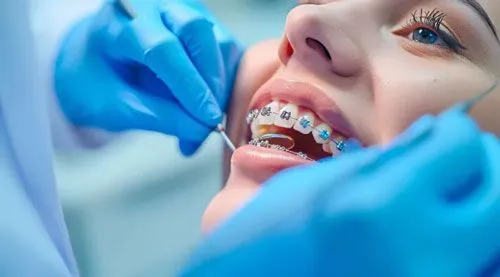

You may already know the feeling. You look into clear aligners, braces, or bite correction, and within minutes you are sorting through terms that sound technical, prices that feel hard to compare, and promises that all blur together. When your teeth, your child’s smile, or your jaw comfort are involved, guessing feels risky. You want treatment that is precise, efficient, and worth the time and cost, which is why choosing a San Jose orthodontist can make the decision feel clearer.
That is where modern orthodontic care has changed in ways that matter. The biggest shifts are not about hype. They are about better diagnosis, more accurate planning, steadier tooth movement, and a treatment experience that fits real life more comfortably. These four advances are shaping what many patients now expect from an orthodontist, and they are changing how providers deliver care from the first scan to the last retainer check.
Digital imaging gives orthodontic treatment a clearer starting point
Old impressions and basic two dimensional records often left room for distortion, discomfort, or missed detail. If you have ever gagged through a tray impression or worried that a treatment plan felt too general, you have seen the limits of older methods. Small errors at the start can echo through the rest of treatment.
Digital scanning and three dimensional imaging have changed that. Intraoral scanners create detailed models of your teeth without the mess of impression material, and cone beam imaging can help map roots, bone, and airway structures when needed. That gives an orthodontist a more complete view of crowding, spacing, impacted teeth, and bite issues before moving a single tooth.
Research on digital tools in orthodontic diagnosis and planning points to stronger precision and workflow efficiency, which matters because better records usually lead to better decisions. For you, that can mean fewer surprises, more confidence in the plan, and a smoother start.
Artificial intelligence is improving treatment planning in orthodontic services
One of the most useful advances is not something you see in the chair. It works in the background. Artificial intelligence is helping clinicians review images, measure tooth positions, and support treatment simulations with more speed and consistency. That does not replace clinical judgment. It sharpens it.
If you are comparing options and wondering why one office can show a detailed plan so quickly, this is often part of the answer. AI assisted software can organize large amounts of diagnostic information fast, which helps providers spot patterns that could affect timing, attachment placement, aligner staging, or arch coordination. A recent review of artificial intelligence in orthodontics highlights how these systems are being used for diagnosis, prediction, and workflow support.
The real benefit is practical. You spend less time waiting for fragmented answers and more time discussing what fits your goals. If you want a less visible option, if you have a complex bite, or if you are trying to balance treatment with work or school, a stronger plan at the start can save frustration later.
Clear aligner innovation is expanding what an orthodontist can treat
Clear aligners used to be seen mainly as a choice for mild cosmetic movement. That is no longer the full picture. Better materials, improved attachment systems, and more refined digital staging have expanded what aligners can handle in many cases. That includes some forms of crowding, spacing, crossbite, and bite correction that once pushed more patients toward fixed braces.
This matters because comfort and appearance are not small concerns. You still have meetings, photos, meals out, and school events. You may want treatment that works without feeling obvious every hour of the day. Aligners offer that flexibility, but they also depend on consistency. If they are not worn as directed, even the best design falls short.
Evidence published in recent orthodontic research on aligner systems and digital treatment approaches reflects how rapidly this area is evolving. The right takeaway is not that aligners are always better. It is that a wider range of patients can now be evaluated for them seriously, instead of being ruled out too early.
Remote monitoring is changing the day to day experience of modern orthodontic care
Treatment used to mean frequent in office checks, even when very little needed to be adjusted. That model can wear people down. Missed work, missed school, travel time, and the stress of fitting appointments into an already crowded week add up fast.
Remote monitoring tools allow patients to send scan images or progress photos from home, while the office tracks movement and flags issues early. This does not erase office visits, and it should not. Some steps still require hands on care. What it can do is reduce unnecessary trips and catch problems before they become bigger setbacks.
That is one reason advanced orthodontic technology feels different from older care models. It respects that your life keeps moving during treatment. The best systems make orthodontic services more responsive, not more distant.
Practical differences between traditional and newer orthodontic approaches
| Area | Traditional Approach | Newer Approach | What It Can Mean for You |
|---|---|---|---|
| Records | Physical impressions and basic imaging | Digital scans and 3D imaging | More comfort and more precise planning |
| Treatment planning | Manual measurements and visual estimates | AI assisted analysis and simulation | Faster plan review and fewer missed details |
| Appliance options | Braces for many moderate cases | Expanded aligner capabilities for selected cases | More choice in appearance and daily flexibility |
| Follow up visits | Frequent in office checks | Hybrid care with remote monitoring | Less disruption to work, school, and travel |
Small decisions early in treatment shape the final result
Ask how your records are gathered. A consultation should explain whether digital scans, photographs, and any needed imaging are part of the process. If planning feels vague, ask what data is being used to build it.
Compare treatment fit, not just treatment type. Braces and aligners both have a place. The better question is which option fits your bite, your schedule, and your ability to follow instructions consistently. A sleek option that you cannot keep up with is not a better option.
Look at the follow up model. Ask how often in person visits are needed, whether remote monitoring is available, and how problems are handled between appointments. Orthodontic innovations are most helpful when they make care easier to manage, not harder to understand.
If you have been putting off treatment because the process felt confusing or outdated, that hesitation makes sense. The good news is that modern orthodontic care is more precise, more flexible, and often more patient centered than many people expect. The right orthodontist should be able to explain these advances plainly, show how they apply to your case, and help you move forward with clarity.