
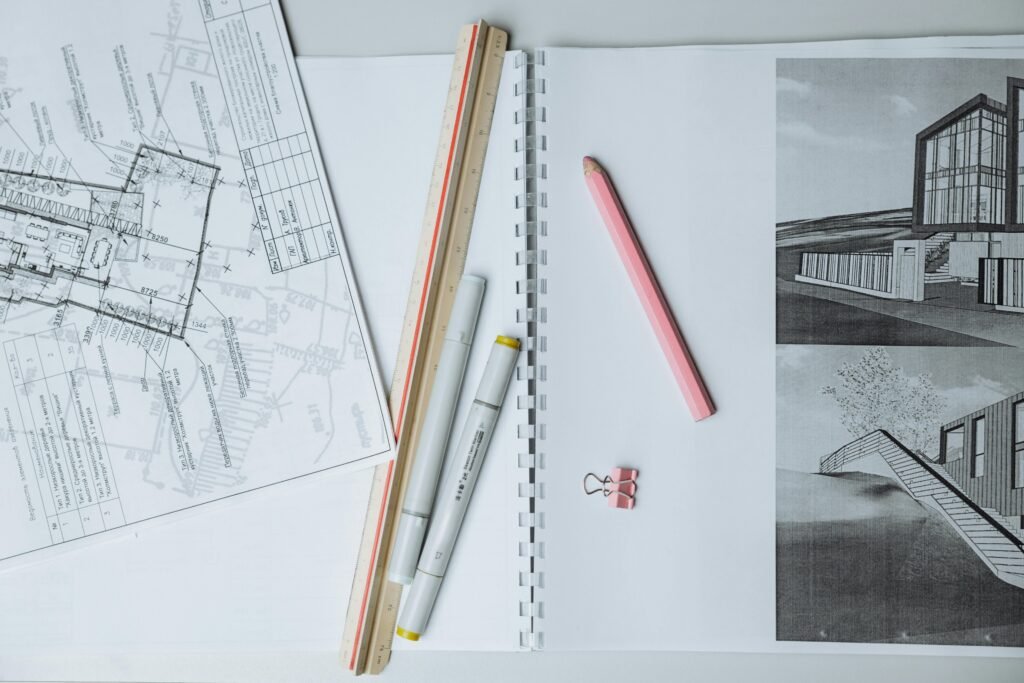

In today’s fiercely competitive business world, the physical space where your company operates isn’t just a backdrop, it’s a strategic asset that can make or break your success. Quality architecture goes way beyond looking good on the outside. It’s a fundamental investment that touches everything from how productive your team is to how clients perceive your brand, not to mention employee satisfaction and your bottom line over the years. Business leaders who truly get the strategic value of thoughtful architectural design? They’re miles ahead of competitors who simply see their facilities as another expense to minimize. When you understand how powerfully well, designed spaces shape organizational outcomes, suddenly that investment in superior architectural planning makes perfect sense. Let’s explore four compelling reasons why quality architecture deserves a spot at the heart of your business strategy, not relegated to the “nice-to-have” category.
Enhanced Brand Image and Professional Credibility
Your business facility tells a story about your company before anyone ever shakes hands or signs a contract. Think about it, when clients, partners, or potential customers walk through your doors, they’re already forming opinions based on what they see and feel. A well-designed building that shows attention to detail, embraces modern aesthetics, and balances form with function? That sends a clear message: this organization doesn’t cut corners anywhere. This visual first impression happens in seconds, often shaping business relationships before meaningful conversations even begin.
Increased Employee Productivity and Well-Being
Here’s something backed by mountains of research: the design of your workspace directly impacts how well your team performs. Employees working in thoughtfully designed environments, we’re talking proper lighting, ventilation, acoustics, and smart spatial organization, consistently outperform those stuck in poorly planned spaces. Natural light exposure, ergonomic considerations, and intelligent use of space aren’t luxuries; they directly affect cognitive function, energy levels, and how satisfied people are with their jobs. Quality architecture weaves in elements that dial down stress, cut distractions, and create environments where both focused solo work and dynamic team collaboration can flourish.
Long-Term Cost Efficiency and Operational Savings
Sure, quality architecture demands a higher upfront investment than basic construction, nobody’s denying that. But here’s what matters: the long-term financial benefits blow those initial costs out of the water through multiple channels. Superior materials, solid construction techniques, and thoughtful design integration create buildings that need less maintenance, run into fewer operational headaches, and hold their value over time. Energy-efficient architectural design, think proper insulation, intelligent climate control systems, and sustainable materials, can dramatically slash your ongoing utility expenses. When constructing commercial facades and structural elements, professionals who need to ensure durability and aesthetic excellence rely on innovative architectural metal works for components that stand up to environmental challenges while maintaining design integrity. Well-planned spatial organization eliminates wasted square footage, optimizes workflow efficiency, and cuts unnecessary operational costs tied to awkward layouts. Buildings constructed to quality standards typically command higher resale or lease values, protecting your investment and giving you financial flexibility down the road. The durability of premium architectural elements means you’ll face fewer renovation cycles, less downtime for repairs, and lower lifecycle costs when you look at the big picture over decades. Forward-thinking architectural design also makes room for future technology integration and business expansion without requiring expensive structural overhauls later. Financial analysis consistently shows that organizations investing in quality architecture achieve superior returns when calculating total cost of ownership rather than fixating solely on initial construction budgets.
Competitive Advantage in Talent Acquisition and Retention
Today’s workforce, especially high-performing professionals and younger generations, cares deeply about workplace environment when weighing employment opportunities. Can you blame them? Companies with impressive, well-designed facilities enjoy substantial advantages when recruiting top talent from competitive markets where skilled professionals can afford to be choosy. Quality architecture signals to prospective employees that you invest in creating exceptional work experiences and genuinely value employee satisfaction. During recruitment, facility tours often become the deciding factor when candidates are comparing similar compensation packages and job responsibilities across multiple offers.
Conclusion
Quality architecture represents far more than an aesthetic choice, it’s a strategic business investment delivering measurable returns across every dimension of organizational performance. From strengthening how clients perceive your brand to boosting employee productivity and streamlining operational efficiency, superior architectural design creates competitive advantages that build momentum over time. The long-term cost savings and talent acquisition benefits make a compelling case that justifies the initial investment in exceptional architectural planning and execution. Business leaders who view their facilities as strategic assets rather than operational necessities position their organizations for sustained success in markets that only get more competitive. Quality architecture transforms physical space into a powerful business tool supporting growth, attracting talent, impressing clients, and protecting long-term financial interests, all while creating environments where both people and businesses don’t just survive, but truly thrive.