

Most retreat websites tell you the longer the better. That’s not always true. The right length depends on what you actually want — a break, a reset, or a deep change. Pick wrong and you either run out of annual leave or feel like you wasted the trip.
Here’s how the three standard lengths actually compare.
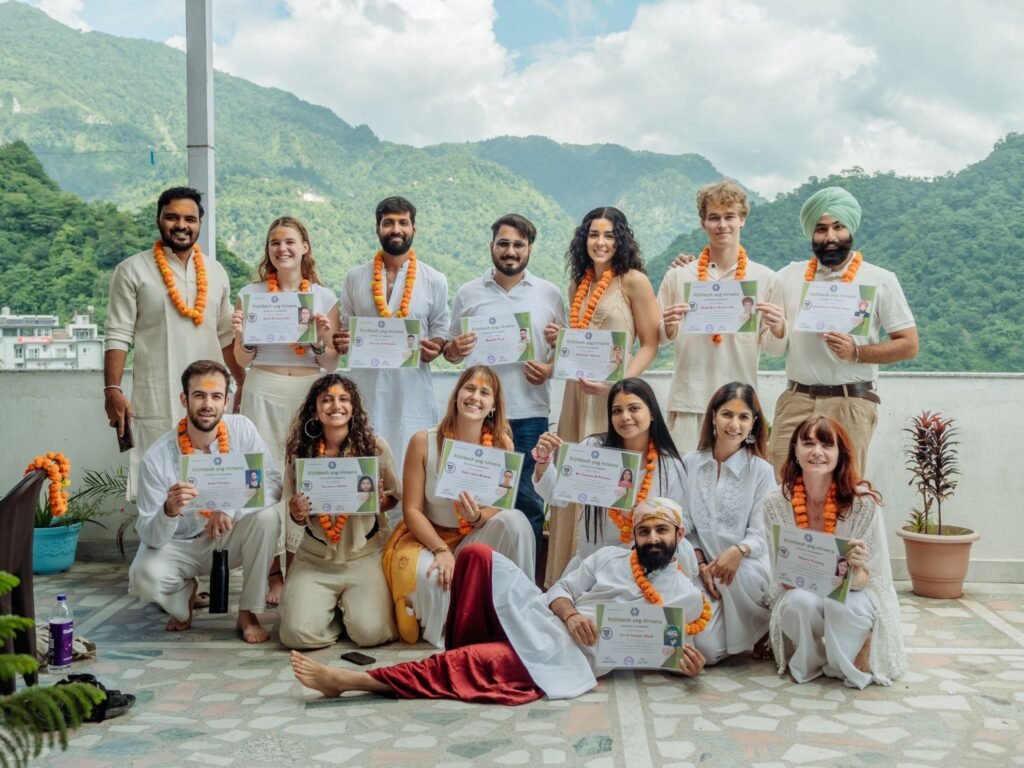
What 5 Days Gives You
Five days, including travel, is essentially a long weekend with structure. You’ll fly in Friday, leave Wednesday morning, and have three full days of practice in the middle.
Best for: First-timers testing whether retreats are for them. Working professionals who can’t take more than a week off. People who want a guided break without making it a project.
The honest reality: By the time your body adjusts to the early-morning yoga and unfamiliar food, you’re packing to leave. You’ll come home rested, but you won’t have built any sustainable habit changes. Jet lag for international travellers eats most of the first day.
Cost range: USD 250 to 500 in Rishikesh, depending on accommodation tier.
Practice depth: You’ll get roughly 15 hours of asana, 5 hours of meditation, and 3 to 4 philosophy or pranayama sessions. That’s enough to feel a difference. It’s not enough to fundamentally shift anything.
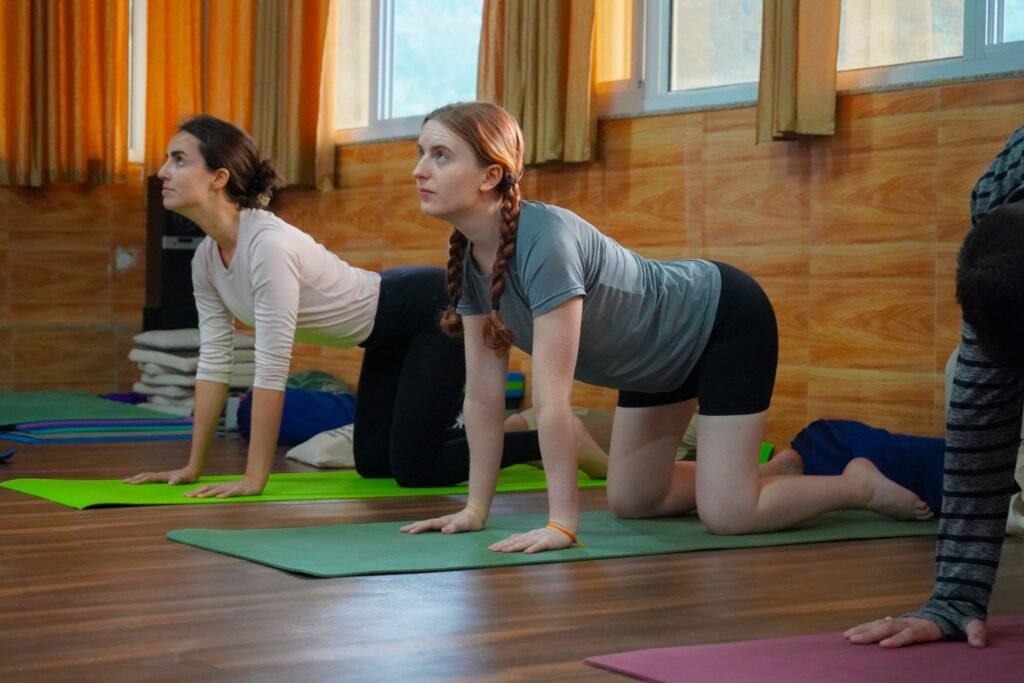
What 7 Days Gives You
A week is the standard yoga retreat length for a reason. It crosses the threshold where the schedule stops feeling jarring and starts feeling natural.
Best for: Most people. Genuinely. If you have one to two weeks of leave you can spend, seven days hits the sweet spot.
The honest reality: By day three or four, you’ll feel the rhythm. Sleep gets dramatically better. Digestion settles. You’ll start noticing the difference between Hatha and Vinyasa not just intellectually but in your body. You’ll have time for one excursion (a Himalayan hike, a Ganga aarti at a quieter ghat, a visit to the Beatles Ashram) without compromising your practice.
Cost range: USD 400 to 1,200 in Rishikesh.
Practice depth: Around 25 hours of asana, 8 to 10 hours of meditation and pranayama, daily philosophy. You’ll learn enough to maintain a basic home practice when you return.
What 14 Days Gives You
Two weeks is where retreats start to overlap with introductory teacher training. The practice deepens, you build relationships with the teachers, and you actually have time to integrate what you’re learning.
Best for: Serious practitioners. People at a transition point — between jobs, after a major life change, or considering becoming a yoga teacher. Anyone who wants the experience to actually stick beyond the first month back home.
The honest reality: This is where you find out what you actually think about silence, repetition, and your own thoughts. The first week is the same as a 7-day retreat. The second week is where most people hit a real internal challenge — boredom, restlessness, sometimes emotional release. This is the work, and it doesn’t happen in a week.
Cost range: USD 700 to 2,500. A well-run 14-day yoga retreat in Rishikesh typically lands in the USD 1,000 to 1,500 range for a private room with a Yoga Alliance certified school.
Practice depth: 50+ hours of asana, 20+ hours of meditation, deeper pranayama work, and usually a day or two of formal silence. By the end, you have enough material to sustain a daily practice for months.
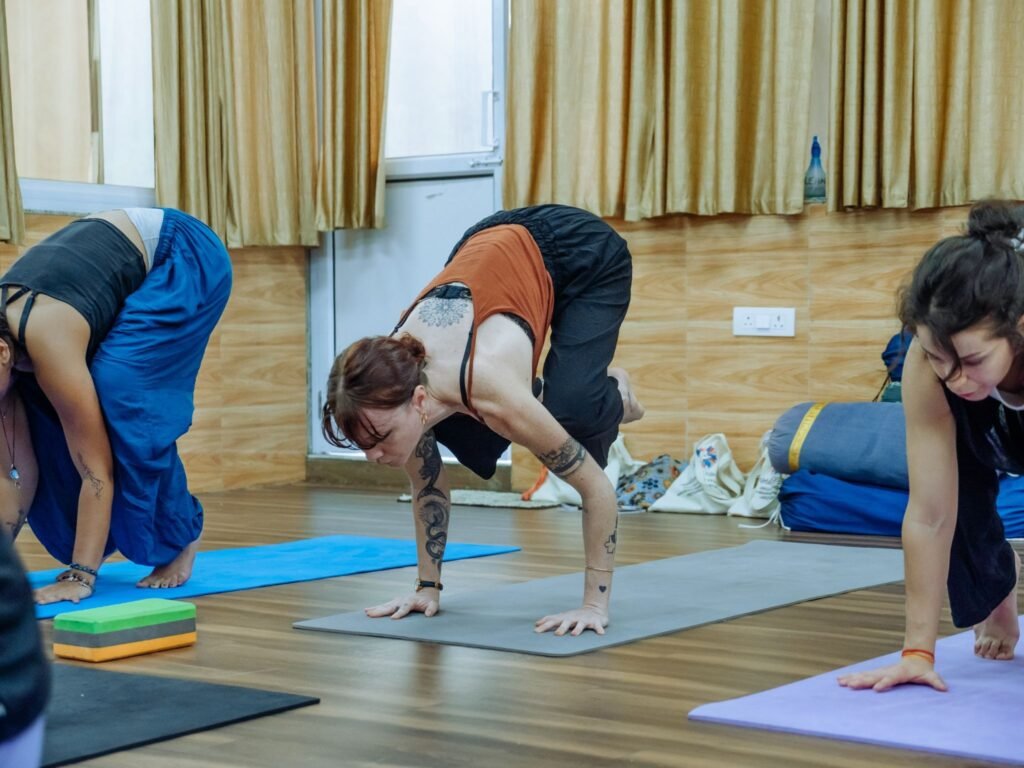
How to Decide: Three Questions
1. Have you done a yoga retreat before?
If no, start with 5 or 7 days. There’s no point committing to 14 days of a format you’ve never tested.
2. What are you actually trying to get out of it?
A break? 5 days. A reset and some new habits? 7 days. Real internal change or considering teacher training? 14 days.
3. How is your current practice?
If you do yoga 1 to 2 times a week at home, 7 days will feel intense. If you practice daily already, 14 days will feel right. If you’ve never practiced, do 5 days and see how you respond.
A Common Mistake: Booking Too Long
People underestimate how exhausting an immersive retreat is. The early mornings, the dietary changes, the digital detox, the unfamiliar environment — it adds up. A 14-day retreat for someone who hasn’t built up to it can result in burnout or quitting on day 9.
Better to do a 7-day retreat this year, see how it goes, and book a 14-day next year if you want more.
A Less Common Mistake: Booking Too Short
If you’re flying from the US, UK, or Australia to India, the travel itself is significant — 12 to 22 hours of flying, plus a 6-hour ground transfer to Rishikesh. Doing all that for a 5-day retreat means you spend almost as much time in transit as in practice.
If long-haul travel is involved, 7 days should be the minimum.
What About Longer Than 14 Days?
Anything 21 days or longer is usually structured as a course rather than a retreat — typically a 200-hour Yoga Alliance certified teacher training. The format changes: more philosophy, more anatomy, daily teaching practice, written exams. If that’s what you want, look at a teacher training instead of a retreat.
The Honest Recommendation
For most people, most of the time, 7 days in Rishikesh with a Yoga Alliance certified school is the right answer. It’s long enough to matter, short enough to fit in real life, and affordable enough that you can do it again next year.