
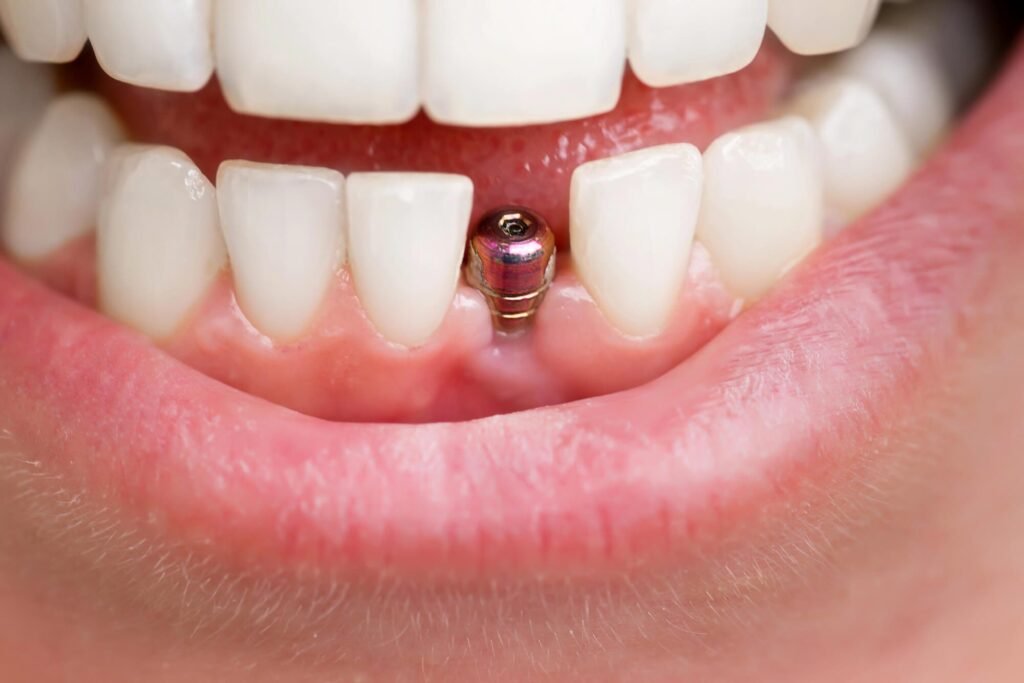

You can be excited about replacing a missing tooth and still feel uneasy about one thing. Will it look like your real tooth, or will it stand out every time you smile, talk, or laugh? That worry is common, especially if the missing tooth is in the front and you already catch yourself covering your mouth in photos or speaking a little differently than before. With advanced cosmetic dentistry in Boston, you can restore your smile with results that look natural and help you feel confident again.
The truth is simple. Natural-looking results do not come from the implant post alone. They come from a series of decisions, from planning and placement to gum shape, crown design, and the materials your dentist uses. If you are comparing options for an implant and cosmetic dentist, this is usually what separates a result that blends in from one that feels slightly off.
Implant placement shapes the final look of your smile
The implant has to sit in the right position inside the jawbone or the final tooth can look too long, too flat, or slightly pushed forward. Even a strong crown cannot fully hide poor placement. You may not notice the technical issue, but you will notice that the tooth does not sit quite like the others.
This is where careful imaging and planning matter. According to Harvard School of Dental Medicine’s overview of dental implants, implants are designed to replace missing tooth roots and support restorations that function and appear like natural teeth. That outcome depends on precision. If the angle or depth is wrong, the crown may need to compensate, and that often changes how natural it looks.
If you have been told you lost bone after an extraction, that can affect placement too. Less support in the jaw sometimes means extra treatment before the final implant can be placed in the ideal spot.
Healthy gums create the frame that makes dental implants look real
People often focus on the tooth and forget the gums. Your gums are the frame around the tooth, and when that frame looks uneven, thin, or recessed, the implant can look artificial even if the crown itself is well made.
This becomes more noticeable in the front of the mouth. If one gumline sits higher than the others, or if the tissue between teeth does not fill in well, the eye goes straight to it. That is why soft tissue management is a major part of cosmetic implant treatment. Sometimes the issue is existing gum loss. Sometimes it is a biotype issue, meaning your tissue is naturally thin and more likely to shrink.
Natural-looking dental implants depend on both structure and tissue. A dentist who pays close attention to gum contour, healing, and long term tissue stability is usually aiming for a result that blends rather than just fills the space.
The crown design and shade determine whether the implant blends in
A dental implant crown should not look perfect in a showroom sense. Real teeth have small variations in color, translucency, shape, and surface texture. If the crown is too bright, too opaque, or too smooth, it can look fake even when the fit is good.
This is where cosmetic judgment matters. The dentist and lab need to match the neighboring teeth, not an idea of a perfect white tooth. If your natural teeth have warmth near the gums or a little translucency at the edges, the implant crown should reflect that. Front teeth need even more attention because light hits them directly.
Material choice plays a role here as well. The National Institute of Dental and Craniofacial Research offers information on dental materials used in restorations, and those materials can affect appearance, wear, and how light passes through the final crown. For many patients, the best looking result comes from choosing a material that works with the smile, not just one that is durable.
Bone support affects how natural the implant tooth appears over time
You can have a crown that looks good on day one and still run into changes later if the bone support is weak. Bone holds the implant in place and supports the gum tissue around it. When there is not enough bone, the gum can lose support and the implant may start to look longer or less balanced with nearby teeth.
This is one reason timing matters after tooth loss. If a missing tooth has been untreated for a long time, bone loss may already have started. That does not mean you cannot get a great result. It means the treatment plan may need to rebuild support first.
An esthetic dental implant result often depends on what happens under the surface. Patients usually notice the visible crown. Dentists who focus on cosmetic outcomes are also looking at the bone and tissue foundation that keeps that crown looking natural years later.
The dentist’s cosmetic eye changes the outcome more than most patients expect
Two dentists can use similar implant systems and still produce very different results. One may focus mainly on replacing the missing tooth. Another may study how your smile line, lip movement, face shape, bite, and neighboring teeth all work together. That second approach is usually what makes the implant disappear into your smile.
If you are replacing a back tooth, a small mismatch may not matter much. If you are replacing a front tooth, tiny differences become obvious fast. You see them in the mirror. Other people see them when you speak. That is why patients looking for the best cosmetic dental implant appearance often choose a provider with both surgical skill and cosmetic planning experience.
| Factor | If Done Well | If Overlooked |
|---|---|---|
| Implant placement | Crown sits in line with nearby teeth | Tooth can look bulky, long, or pushed outward |
| Gum contour | Natural frame around the tooth | Uneven gumline or dark spaces between teeth |
| Crown shade and texture | Blends with real teeth in normal light | Looks too white, flat, or artificial |
| Bone support | Stable tissue and balanced proportions over time | Recession or a longer-looking tooth later |
| Cosmetic planning | Smile looks cohesive and believable | Implant feels separate from the rest of the smile |
Small steps now can protect the look of your dental implant
Ask to see smile-focused before and after cases. Look for patients with similar needs, especially if your missing tooth is visible when you smile. You want to see gumlines, shade matching, and how the implant blends with natural teeth.
Discuss the full plan, not just the implant itself. Ask how the dentist will manage bone, gums, crown design, and timing. A good plan for a dental implant should explain each stage clearly, including whether grafting or tissue shaping may help the final result.
Protect the surrounding gums and bone from day one. Follow cleaning instructions, keep follow up visits, and do not ignore clenching or grinding if you have it. Good home care and bite protection help preserve the tissue that keeps the implant looking natural.
If you are weighing your options, trust the part of you that wants more than a replacement tooth. You want a smile that feels like yours again, and that is a fair goal. The right implant and cosmetic dentist will look beyond the gap and plan for shape, color, tissue, and balance so the final result does not call attention to itself. Reach out to schedule a consultation and get clear answers about what will make your implant look natural in your smile.