
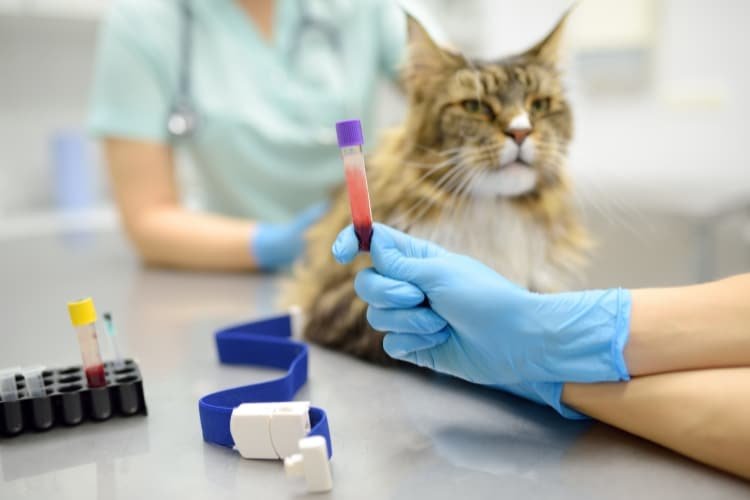

You brought your pet in for answers, and instead you left with another test, another bill, and another stretch of waiting. That can feel defeating fast. When your dog or cat still is not acting like themselves, or when a serious condition is on the table, one round of testing does not always tell the full story at our veterinary hospital in Squamish, BC. That does not always mean something was missed. It often means your veterinary team is narrowing the problem safely, ruling out lookalike conditions, and checking how fast things are changing.
5 reasons a pet may require multiple rounds of diagnostic testing usually come down to timing, complexity, accuracy, treatment planning, and follow up. Some diseases hide early. Some symptoms point to more than one cause. Some test results change from one day to the next. In a veterinary hospital, repeat testing is often the clearest path to a solid diagnosis and a treatment plan that fits your pet’s real condition.
Symptoms often overlap, which is why repeat pet diagnostic tests happen
Vomiting, weight loss, limping, coughing, low energy, and appetite changes can all point to a long list of problems. A pet with cancer, infection, hormone disease, stomach trouble, or pain may show the same first signs. That is where the stress starts for you. You see one symptom. Your veterinarian sees a list of possible causes that need to be sorted with care.
A blood test may show inflammation but not the source. An X ray may show a mass but not confirm what kind of tissue it is. A urine test may suggest kidney stress, yet more testing may be needed to tell whether the cause is infection, dehydration, toxins, or chronic disease. Texas A&M’s overview of diagnostic testing in veterinary medicine explains how different tests answer different questions, which is why one result often leads to the next step instead of a final answer.
This is one of the most common reasons for multiple rounds of diagnostic testing for pets. Your veterinarian is not stalling. They are separating conditions that can look almost identical at the start.
Some diseases change over time and only show themselves later
Early disease can be hard to catch. Lab work may look near normal in the first phase of illness, especially with hormone disorders, some infections, immune conditions, and certain cancers. A scan taken today may not show what becomes visible two weeks later. That gap is frustrating, but it is real.
You may hear that your pet needs monitoring, recheck blood work, or repeat imaging. That can sound vague when you want certainty now. The reason is simple. Bodies change. Tumors grow. Fluid builds. Inflammation rises and falls. Organ values can drift from borderline to clearly abnormal. One snapshot may not be enough to show the pattern.
This is one reason a veterinarian may recommend serial testing instead of one aggressive step right away. It protects your pet from unnecessary procedures while still watching for signs that make the diagnosis clearer.
Initial results can point to a problem without identifying the exact cause
A test can be abnormal and still incomplete. That sounds backwards, but it happens every day. A chest X ray might show something suspicious, yet a biopsy or advanced imaging may be needed to confirm whether it is cancer, infection, scar tissue, or a benign growth. If cancer is suspected, referral guidance like the Washington State University oncology referral guidelines helps explain why added diagnostics may be needed before treatment begins.
That matters because treatment choices can differ a lot. Surgery, medication, monitoring, chemotherapy, and palliative care are not interchangeable. If your pet starts the wrong treatment based on an incomplete picture, you can lose time, money, and comfort.
Why pets need repeat diagnostic testing often comes down to this exact point. A clue is not the same thing as a diagnosis.
Treatment planning depends on staging, baseline data, and follow up
Even after your veterinarian identifies the disease, testing may continue. That can feel confusing if you thought the hard part was over. Baseline values help your team judge whether your pet is stable enough for anesthesia, surgery, or medication. Staging tests show how far a disease has spread. Follow up testing shows whether treatment is helping or causing side effects.
A dog with a tumor may need blood work, imaging, and tissue sampling before surgery. A cat on long term medication may need repeat kidney or liver checks. A pet recovering from an infection may need another test to confirm the infection is truly gone, not just quieter for the moment.
This is where root service terms like veterinary hospital care and pet diagnostics matter in real life. Good treatment is not just about naming the disease. It is about measuring risk, tracking response, and adjusting the plan as your pet changes.
The cost and value of repeat testing look different when you compare the alternatives
| Situation | One round of testing only | Multiple rounds of testing |
|---|---|---|
| Early or vague symptoms | Higher chance of an unclear or partial answer | Better chance of spotting patterns and disease progression |
| Serious conditions such as cancer | Treatment may begin without full staging | Treatment can be matched to type, spread, and overall health |
| Medication monitoring | Side effects may be missed until symptoms worsen | Organ changes can be caught earlier through follow up labs |
| Overall cost | Lower short term cost, higher risk of wasted treatment | Higher short term cost, often more targeted spending over time |
| Peace of mind | More uncertainty if symptoms continue | Clearer decision making based on updated information |
The financial side is real, and it deserves honesty. Repeat testing can be hard on a household budget. It can still save money compared with treating the wrong condition, rushing into surgery without enough information, or missing a change that should have altered the plan sooner.
Three steps you can take right now
1. Ask what each test changes. You do not need to approve diagnostics blindly. Ask what the test is looking for, what the likely next step will be if it is normal, and what changes if it is abnormal. That gives you a clearer picture of value.
2. Keep a symptom timeline. Write down appetite, energy, vomiting, coughing, bathroom habits, pain signs, and medication effects. Dates matter. A timeline can help your veterinary team decide whether repeat testing is urgent or whether monitoring is still reasonable.
3. Discuss priorities and limits openly. Tell the hospital if you need a staged plan based on budget, stress level, or your pet’s age and comfort. Most veterinary teams can explain which tests are first line, which are ideal next steps, and which can wait.
If your pet needs more testing, you are not failing them, and your veterinarian is not automatically overcomplicating things. Sometimes the body does not give up the answer all at once. Careful repeat testing is often how the real problem comes into focus and how the safest plan gets built. Reach out to a veterinary hospital if your pet’s symptoms are ongoing or if you need help understanding the next step in the diagnostic process.