

Introduction
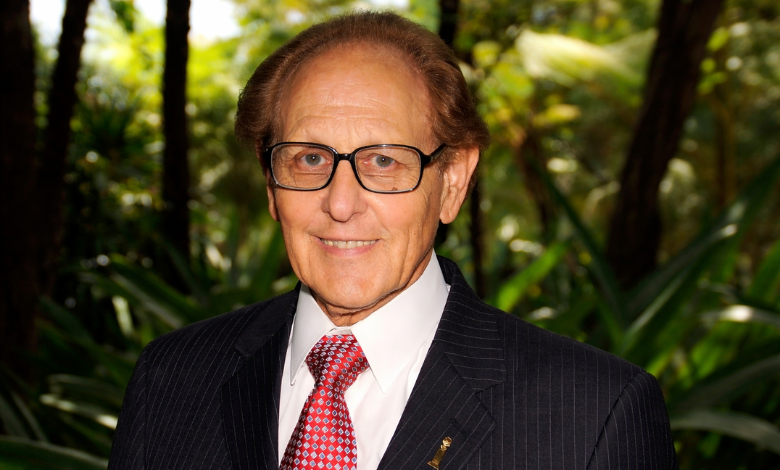
Philip Berk is a name that has become inseparable from discussions about the Hollywood Foreign Press Association (HFPA) and the Golden Globe Awards. For decades, he operated behind the scenes of one of Hollywood’s most visible awards institutions, wielding influence that extended far beyond traditional film criticism. His career reflects both the prestige and the problems of old-guard Hollywood journalism, making his story complex, controversial, and historically significant.
Philip Berk remains one of the most debated figures in modern Hollywood journalism, largely due to his long-standing involvement with the Hollywood Foreign Press Association and the global visibility of the Golden Globe Awards. Over several decades, he occupied influential positions that placed him at the center of award-season narratives, media access, and international film promotion. His career reflects the evolution of entertainment journalism itself, moving from traditional criticism to a system where media power, celebrity culture, and institutional authority became closely intertwined. Examining Berk’s life offers valuable insight into how influence is built and challenged within Hollywood’s elite structures.
Early Life and Background
Philip W. Berk was born on February 13, 1933, in Cape Town, South Africa. Growing up during a time of global political tension and racial division, Berk later described his early life as formative in shaping his worldview. Seeking broader opportunities, he moved to the United States as a young man, where he pursued higher education and a career in media and entertainment.
He enrolled at the University of California, Los Angeles (UCLA), studying theater, film, and television. UCLA’s close ties to Hollywood provided Berk with early exposure to the film industry, critics, and journalists who shaped public opinion about cinema during the post–Golden Age of Hollywood.
Entry into Film Journalism
After completing his education, Berk began working as a film journalist and critic. His writing appeared in various international publications, particularly those serving foreign audiences interested in American cinema. Unlike many critics focused solely on artistic merit, Berk combined criticism with industry access, cultivating relationships with actors, directors, and studio executives.
This dual role—critic and insider—became central to his career. It allowed him to gain visibility within elite Hollywood circles while maintaining credibility as a journalist representing foreign media outlets.
Role in the Hollywood Foreign Press Association
Philip Berk’s most defining professional chapter began with his long-term involvement in the Hollywood Foreign Press Association. The HFPA is a small organization of journalists who report on the U.S. entertainment industry for international publications. Despite its limited membership, the HFPA gained enormous power through its control of the Golden Globe Awards.
Berk joined the HFPA in the 1960s and remained a member for more than four decades. Over the years, he served multiple terms as president and also held the role of treasurer. These leadership positions placed him at the center of HFPA decision-making, including membership approvals, organizational policies, and award-related processes.
Influence Over the Golden Globe Awards
The Golden Globe Awards, hosted annually by the HFPA, are one of the most watched entertainment award shows in the world. While the Oscars focus on peer recognition, the Golden Globes blend critical opinion with industry promotion, often shaping awards-season momentum.
As a senior HFPA figure, Berk played a role in shaping the institution’s culture and public image. He participated in press conferences, interviews, and internal deliberations, helping maintain the Golden Globes as both a glamorous event and a powerful marketing platform for studios.
Critics of the HFPA, however, frequently pointed out that the organization’s small size allowed individual members—especially leaders like Berk—to wield disproportionate influence.
Author and Memoir
In 2014, Philip Berk published a memoir titled With Signs and Wonders: My Journey from Darkest Africa to the Bright Lights of Hollywood. The book recounts his life story, professional experiences, and interactions with Hollywood celebrities.
The memoir attracted attention for its candid tone and controversial anecdotes. Some passages were criticized for cultural insensitivity and for revealing personal details about industry figures. While the book offered insight into Berk’s mindset and experiences, it also contributed to renewed scrutiny of his conduct and attitudes.
Brendan Fraser Allegations
One of the most widely discussed controversies involving Philip Berk emerged publicly in 2018, when actor Brendan Fraser alleged that Berk had sexually assaulted him at a 2003 HFPA luncheon. Fraser described the incident as unwanted and distressing, stating that it affected his emotional well-being and career trajectory.
Berk denied the assault allegations, describing them as exaggerated. However, he acknowledged in his memoir that he had touched Fraser in a manner he described as a joke. This admission intensified public criticism and raised broader questions about power dynamics, accountability, and workplace conduct in Hollywood.
The incident became part of the wider #MeToo conversation, highlighting how informal industry environments had historically allowed inappropriate behavior to go unchecked.
Racism Controversy and Expulsion from HFPA
In 2021, Philip Berk was permanently expelled from the Hollywood Foreign Press Association after forwarding an email to HFPA members that included racist language and rhetoric about the Black Lives Matter movement. The email sparked immediate backlash within and outside the organization.
The HFPA publicly condemned the content and moved to remove Berk from membership. Major industry partners, including broadcasters and production companies, supported the decision. The incident came at a time when the HFPA was already under intense scrutiny for its lack of diversity and internal governance issues.
Berk’s expulsion marked the end of his formal association with the organization he had helped lead for decades.
Impact on the HFPA and Industry Reform
Berk’s removal coincided with a period of institutional crisis for the HFPA. Accusations of corruption, lack of transparency, and systemic bias led to industry boycotts and calls for reform. While Berk was not solely responsible for these issues, his controversies became symbolic of broader structural problems.
The HFPA initiated reforms following public pressure, including changes to membership policies, ethics guidelines, and governance structures. Berk’s departure became a turning point in the organization’s attempt to rebuild credibility.
Personal Life
Philip Berk has largely kept his personal life private. He married Ruth Greenberg in the 1950s, and the couple has children. Outside of his professional controversies, Berk has been described as deeply invested in film history and international cinema, often participating in discussions about classic films and global storytelling traditions.
Legacy and Public Perception
Philip Berk’s legacy is deeply divided. Supporters argue that he was a dedicated film journalist who helped elevate the Golden Globes into a globally recognized event. Critics contend that his behavior exemplified the unchecked power and cultural insensitivity that plagued Hollywood institutions for decades.
Today, Berk is often referenced in discussions about accountability, ethics, and reform in entertainment journalism. His story serves as a case study in how influence, longevity, and lack of oversight can lead to systemic problems.
Conclusion
Philip Berk’s life and career reflect both the allure and the danger of concentrated power in the entertainment industry. From respected film critic to controversial HFPA leader, his journey mirrors Hollywood’s broader struggle with transparency, diversity, and ethical responsibility.
While his professional contributions cannot be erased from the history of the Golden Globe Awards, neither can the controversies that ultimately defined his public image. Understanding Philip Berk means understanding a critical chapter in Hollywood’s ongoing effort to confront its past and reshape its future.
Frequently Asked Questions (FAQs)
Who is Philip Berk?
Philip Berk is a South African–American film critic and former senior member of the Hollywood Foreign Press Association, best known for his leadership roles within the organization.
What is Philip Berk known for?
He is primarily known for his long association with the HFPA and his influence on the Golden Globe Awards, as well as for multiple public controversies.
Why was Philip Berk expelled from the HFPA?
He was expelled in 2021 after circulating an email containing racist language, which violated the organization’s ethics standards.
What were the allegations involving Brendan Fraser?
Actor Brendan Fraser accused Berk of sexual misconduct at a 2003 HFPA event. Berk denied assault but admitted to inappropriate physical contact.
What is Philip Berk’s legacy?
His legacy is controversial, representing both decades of influence in film journalism and the systemic issues that led to calls for reform in Hollywood institutions.