

We will explore the essential aspects of a sewer line replacement project, offering a clear understanding of what homeowners can anticipate from start to finish. Sewer line replacement is a significant undertaking, often prompted by frequent clogs, slow drainage, or pipe damage caused by aging materials or ground movement. The process requires careful planning, professional assessment, and a series of coordinated steps to ensure a long-lasting solution. Knowing what to expect can reduce stress, help with budgeting, and allow homeowners to plan around potential disruptions to daily routines. From initial inspection to post-replacement testing, each phase has its own considerations that contribute to the project’s overall success.
Initial Assessment and Inspection
The first stage in a sewer line replacement project involves a thorough assessment of the existing plumbing system. Homeowners can expect a professional inspection, which often includes video camera diagnostics to determine the extent of pipe damage or blockages. Many Philadelphia plumbers offer this evaluation to identify issues such as tree root intrusion, pipe corrosion, or soil shifts that may have caused misalignment. The inspection phase allows the contractor to map the exact location of the sewer line and identify access points for excavation. During this step, homeowners are encouraged to ask questions about the condition of their pipes, potential risks, and available alternatives. Understanding the findings helps in making informed decisions about moving forward with the replacement.
Planning and Permits
Once the inspection confirms that replacement is necessary, the next phase focuses on project planning and obtaining the required permits. Homeowners can expect contractors to prepare a detailed plan, outlining excavation routes, pipe materials, and estimated timelines. Sewer line replacement projects often require local government permits due to the impact on public infrastructure and safety regulations. This planning stage also includes logistical considerations such as identifying utility lines to avoid, determining areas for soil removal, and ensuring proper access for heavy equipment. Clear communication between the homeowner and the contractor during this stage is crucial for minimizing surprises. By establishing a comprehensive plan and securing necessary approvals, the project can proceed smoothly with reduced risk of delays or compliance issues.
Excavation and Pipe Removal
Excavation marks the start of the physical replacement work and can be one of the most disruptive stages of the project. Contractors typically dig along the identified route of the sewer line, carefully exposing the pipes while protecting surrounding landscaping, driveways, and structures. During this stage, homeowners should expect noise, dust, and temporary limitations on yard or driveway access. Once the old pipe is fully exposed, the removal process begins, which may involve cutting sections of the existing pipe and clearing debris. This step allows the contractor to assess any additional damage that may not have been visible during the initial inspection. Excavation and pipe removal require precision and coordination to ensure the new installation aligns correctly and functions efficiently, laying the foundation for a durable replacement.
Installation of New Sewer Lines
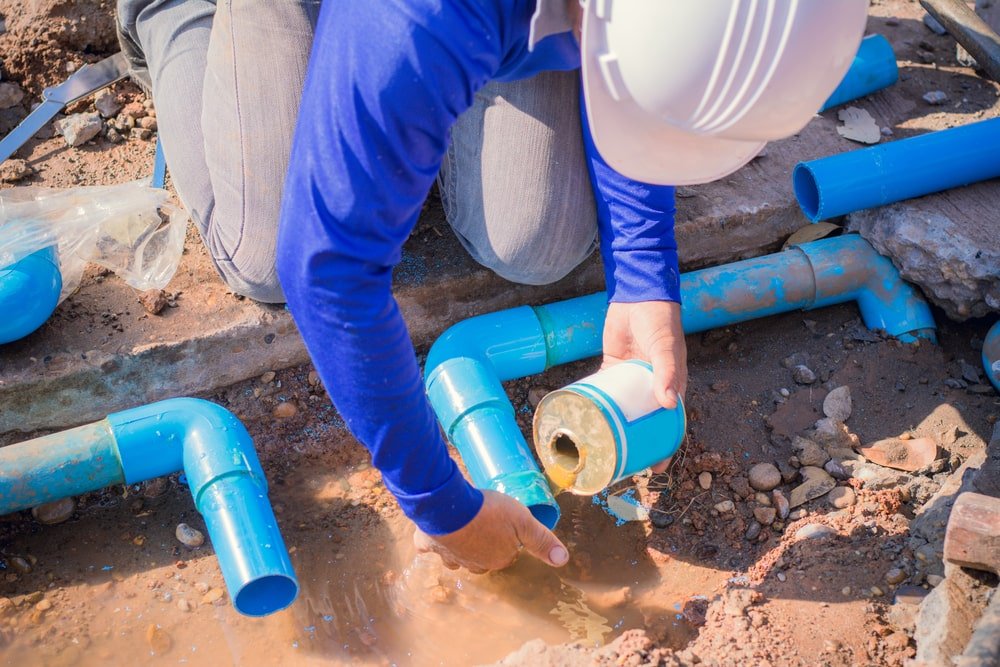
After the old pipes are removed, the installation of new sewer lines begins. Homeowners can expect contractors to use modern piping materials, such as PVC or high-density polyethylene, which are more resistant to corrosion and root intrusion. The new pipes are carefully positioned and connected to existing plumbing and municipal sewer systems, ensuring proper alignment and slope to facilitate effective wastewater flow. During installation, the contractor will test individual connections for leaks and make adjustments as necessary to achieve optimal performance. Homeowners should anticipate that this stage may involve temporary water shutoffs or limited use of plumbing fixtures. The installation phase is critical for the long-term reliability of the sewer system, as any errors can lead to future blockages or costly repairs.
Testing, Backfilling, and Restoration
Once the new sewer lines are installed, a thorough testing phase ensures that the system is functioning properly. Contractors typically conduct pressure tests or use video inspections to verify that there are no leaks and that the wastewater flows efficiently through the new pipes. Following successful testing, the excavation trenches are backfilled, and the soil is compacted to restore stability to the landscape. Any disturbed areas, such as lawns or driveways, are then restored as closely as possible to their original condition. Homeowners should expect some soil settling in the weeks following the project, which may require minor adjustments or additional landscaping. Completing this final phase successfully ensures the sewer system operates effectively and the property is returned to a safe, functional state.
Understanding the stages of a sewer line replacement project helps homeowners prepare for the disruptions and responsibilities involved. From the initial inspection and assessment to planning, excavation, installation, and final testing, each step contributes to a seamless and effective replacement process. Anticipating these phases allows for better communication with contractors, efficient scheduling, and minimized impact on daily life. Homeowners gain confidence knowing what to expect, enabling informed decisions regarding materials, timelines, and restoration methods. Properly managed sewer line replacement not only resolves immediate plumbing issues but also provides long-term reliability and peace of mind for the property. By approaching the project with knowledge and preparation, you achieve a functional, durable sewer system that supports the home for years to come.