
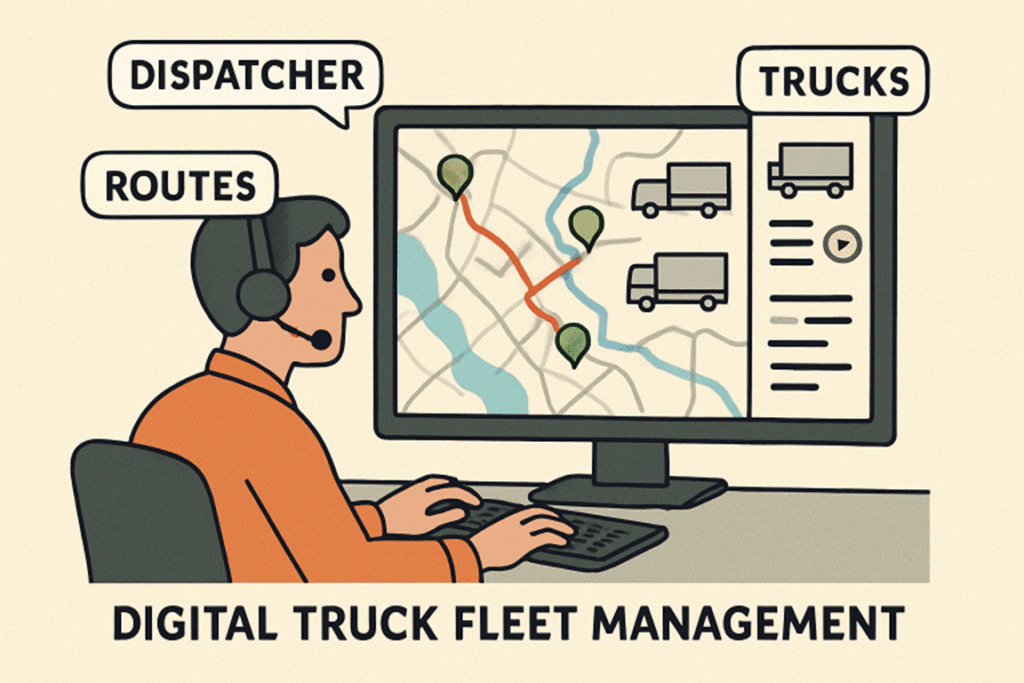

As the logistics landscape rapidly evolves, the demand for streamlined and intelligent dispatch operations grows stronger. Companies are leveraging innovative tools to enhance daily workflows, foster clear communication, and create smarter routing strategies. Among these advancements, AI dispatch trucking software is emerging as a game-changer for businesses seeking to remain agile and profitable in a competitive environment. From automating load assignments to providing real-time insights, AI-driven platforms are reshaping traditional dispatch roles.
Effective dispatch solutions are the cornerstone of logistics efficiency, ensuring that trucks are optimally used, drivers are well-coordinated, and customers receive timely service. As modern trucking businesses face pressure to minimize delivery times and reduce operational costs, leveraging advanced technology for dispatch becomes essential. These digital tools are not only optimizing resources but also contributing to improved safety and higher customer satisfaction.
Integrating high-tech dispatch software empowers companies to react to changes as they happen on the road. With tools that synthesize live data feeds, dispatchers can proactively reroute vehicles, reduce time spent idling, and better manage their fleets. This modern approach has ushered in a new era where operational transparency and rapid communication drive the industry forward.
- Modern AI-powered dispatch tools drive routing efficiency and better load management.
- Integrated communication technologies streamline collaboration for timely deliveries.
- Digital dispatch platforms enable significant operational cost cuts and raise satisfaction levels.
Integrating AI for Smarter Dispatching
Artificial Intelligence (AI) is enabling logistics companies to transform their dispatch processes. AI-based solutions analyze vast datasets, including traffic trends, historical delivery data, and environmental factors, to make predictive routing decisions. For instance, by forecasting demand surges or weather disruptions, dispatchers can adjust fleet movements to avoid delivery bottlenecks or costly service delays. Companies adopting AI systems are reducing wasted miles and boosting overall revenue per trip.
AI technology also automates much of the decision-making in load assignments. Drivers can be paired with trips that align with their hours of service and route preferences, reducing fatigue and improving compliance. The end result is not just operational efficiency but a safer, more predictable work environment for all parties involved.
Real-Time Data and Telematics
Telematics systems deliver unprecedented visibility into every aspect of fleet operations. By merging GPS tracking, vehicle diagnostics, and driver behavior analytics, telematics technology empowers dispatchers to monitor journeys in real time. If delays or mechanical issues occur, rerouting or roadside assistance can be arranged in moments. This reduces costly downtime and ensures deliveries remain on schedule.
In addition, telematics-driven metrics help fleet managers monitor fuel efficiency, alerting them to practices or vehicle issues that can lead to unnecessary fuel burn. With legislative requirements like the ELD (Electronic Logging Device) mandate in North America, real-time compliance monitoring has become both a necessity and a value-add.
Enhanced Communication Tools
Efficient communication is vital for safe and profitable operations. Modern dispatch solutions now integrate user-friendly dashboards, mobile applications, and live alerts to keep all stakeholders connected. Live ETA sharing, in-app chat, and instant updates on load changes foster mutual trust between dispatchers, drivers, and clients. It vastly reduces service errors, boosts morale, and encourages a smoother operation. Clear digital communication channels also support faster decision-making during high-pressure delivery situations. Over time, consistent information flow helps build stronger relationships with customers and supply chain partners.
Moreover, these tools assist in compliance with delivery windows and specialized instructions. By ensuring that any route changes or unforeseen events are communicated instantly, companies can mitigate confusion, reduce costly service failures, and exceed customer expectations.
Cost Savings and Profitability
Digital dispatching platforms markedly reduce operational costs and increase the margin per mile. By optimizing routes, minimizing empty backhauls, and streamlining driver assignments, software-driven dispatching helps companies control overtime labor and reduce non-revenue miles. A well-known example involves a Florida-based logistics company that implemented dispatch optimization software and saw an 18% drop in delivery delays, which resulted in measurable gains in customer satisfaction and profit levels. Improved planning accuracy also allows businesses to allocate fuel and maintenance budgets more effectively. As operational waste decreases, companies gain greater flexibility to invest in fleet expansion and service innovation.
Furthermore, the analytics features embedded in these solutions enable businesses to track fleet utilization and identify areas for further savings. With detailed reporting on route performance, delays, and driver efficiency, companies are continually discovering new ways to reinvest cost savings for strategic growth.
Future Outlook: AI, IoT, and Blockchain
Looking ahead, dispatch operations will continue to be revolutionized by emerging technologies like AI, the Internet of Things (IoT), and blockchain. AI and machine learning will not only further automate dispatch decisions but will also predict logistics disruptions before they impact the business. IoT sensors will transmit data on vehicle health and load conditions, keeping fleets running smoothly. Blockchain will transform freight documentation, offering greater transparency and fraud resistance across the supply chain.
As the digital transformation deepens, companies that quickly adopt these solutions will enjoy a distinct competitive edge, ensuring more reliable, cost-effective, and secure trucking operations in the years ahead.
Conclusion
Robust dispatch platforms that harness AI, telematics, and next-generation communication tools are critical for transportation companies aiming to remain competitive. By implementing these advanced systems, trucking operations can boost efficiency, lower costs, and deliver superior service, positioning themselves as leaders in the ever-evolving logistics marketplace.