
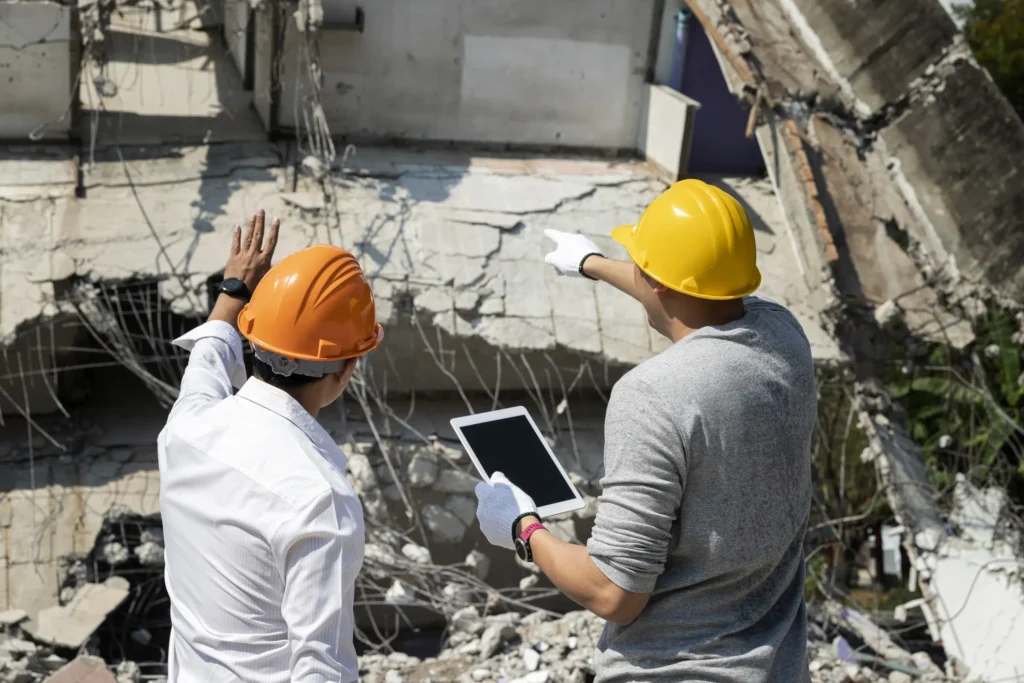

Demolition work is often seen as simply knocking down buildings, but in reality, it’s a carefully planned process that sets the stage for everything that follows in construction. Whether it’s a small residential project or a large commercial site, demolition is about removing structures safely, efficiently, and with a clear purpose in mind.
Before any new development can begin, the site needs to be properly prepared. That usually means removing what’s already there whether it’s outdated, damaged, or no longer useful. Professional demolition work ensures that this process is done correctly, without creating unnecessary risks or delays.
What does demolition work involve?
Demolition can look very different depending on the project. In some cases, it involves tearing down an entire building. In others, it’s more controlled removing specific parts of a structure while keeping the rest intact.
For example, a homeowner planning a remodel may only need interior demolition to clear out walls, flooring, or fixtures. A developer, on the other hand, might require full structural demolition to prepare land for new construction. There are also projects that fall somewhere in between, where only certain sections of a building are removed.
Typical demolition work may include:
- Residential demolition, such as houses or garages
- Commercial or industrial building removal
- Interior and exterior demolition
- Pool demolition and site clearing
Beyond that, many demolition projects involve additional services like grading, excavation, shoring, and fire debris removal. These steps help ensure the site is not just cleared, but actually ready for the next phase.
Why is demolition important in construction?
Every successful construction project starts with proper preparation. If an existing structure is unsafe, outdated, or simply in the way, it has to be removed before anything new can take its place.
Demolition work helps create a clean, workable environment. It eliminates structural risks, clears space, and allows contractors to move forward without complications. Skipping or rushing this step can lead to serious issues later, from safety concerns to costly delays.
In many ways, demolition sets the tone for the entire project. When it’s done right, everything that follows becomes easier to manage.
How is demolition work done safely?
Safety is one of the biggest concerns in demolition, and for good reason. Removing structures involves heavy equipment, potential hazards, and strict regulations. It’s not something that can be handled casually.
A professional demolition process usually starts with a detailed site evaluation. Contractors assess the structure, identify risks, and plan the safest way to carry out the work. This may include handling permits, disconnecting utilities, and checking for hazardous materials like asbestos.
Once work begins, trained crews use specialized equipment to control how the structure is taken apart. The goal is to minimize risk not just to workers, but also to nearby properties and the surrounding environment.
Licensed and insured contractors follow strict safety standards and local regulations. This ensures the project stays compliant and reduces the chance of unexpected problems along the way.
Who needs demolition work?
Demolition services are used by a wide range of clients. Homeowners often need them for renovations or rebuilding projects. Developers rely on demolition to prepare land for new construction. Businesses use it when upgrading or expanding their facilities.
It’s also essential in situations involving damage, such as fire-affected properties. In these cases, demolition isn’t just about clearing space, it’s about removing hazardous materials and making the site safe again.
Companies like Demo Leaders Inc. have handled thousands of projects across Los Angeles, working with homeowners, contractors, and developers alike. With over 15 years of experience, multiple trained crews, and skilled heavy-equipment operators, they are equipped to manage projects of all sizes from small interior jobs to full structural demolitions.
What happens after demolition?
Once demolition is complete, the site still needs to be prepared for what comes next. This step is just as important as the demolition itself.
Post-demolition work often includes debris removal, grading, and excavation. In some cases, drainage systems or slope stabilization may also be required. These steps ensure the land is stable, level, and ready for construction.
Working with a full service contractor can make this transition much smoother. Instead of coordinating multiple teams, property owners can move directly from demolition into site preparation and development.
Final thoughts
Demolition work is a critical part of any construction or redevelopment project. It’s not just about tearing things down, it’s about doing it in a way that supports what comes next. From planning and safety to execution and cleanup, every step matters.
Understanding how demolition works helps property owners make better decisions and avoid unnecessary setbacks. And when the job is handled by experienced professionals, the entire process becomes far more efficient and manageable.