
For anyone seeking a polished presentation or a functional way to organize printed materials, selecting the right binding method is vital. With options ranging from basic staples to sophisticated spiral edges, understanding each process is important before committing to your project. Among the many options available, wire bound book printing stands out for its practical advantages and clean, professional look. Whether you are creating a stylish report, an easy-to-reference manual, or a durable workbook, the choice of binding can greatly impact usability and appearance.
Wire-O binding, also known as twin-loop or double-loop binding, has gained popularity among businesses, educators, and creatives for its unique combination of sturdiness and functionality. It enables the document to lie flat when opened, enhances readability, and gives your document a sleek finish that stands out in any setting. These qualities have made it a trusted binding solution for presentations, catalogs, and interactive training guides across many industries.
When deciding on a binding technique, it’s helpful to weigh both the visual impression and the day-to-day practicality of the finished product. Wire-O binding delivers on both fronts, ensuring your documents survive frequent use without losing their crisp, professional appeal. In this article, you will discover what sets Wire-O binding apart, its ideal uses, considerations for making the best binding choice, and new industry developments that are shaping the future of this binding method.
Wire-O’s versatility is just one reason it has become a staple in print design and production. Its ability to accommodate custom sizing, along with a variety of wiring color options, means each project can be tailored to fit brand guidelines and intended function.
Understanding Wire-O Binding
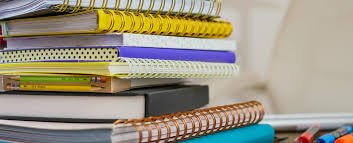
Wire-O binding combines aesthetics, function, and durability by threading a continuous double-loop wire through evenly punched holes along the document’s edge. Unlike coil binding, which uses a single spiral, Wire-O uses twin loops to create a very uniform, symmetrical finish. This binding allows books to open 360 degrees and lay perfectly flat without damaging the spine or warping the pages. Such flexibility is particularly valuable in busy workspaces or classrooms, allowing users to write, draw, or refer to content without distortion or the book closing unexpectedly.
Commonly used for high-quality presentations and workbooks, Wire-O binding accommodates varying page counts and is often the preferred choice for projects that require a balance between visual appeal and practical use. This type of binding also makes it easy to add or remove pages during production, ensuring the final copy meets your requirements.
Advantages of Wire-O Binding
- Professional Appearance: The clean, metallic twin-loop wire enhances the presentation of any document, making it suitable for client-facing materials, portfolios, and branded collateral.
- Durability: The sturdy construction of the wire and strong hole punches ensure the pages stay secure, even with repeated handling and turning.
- Lay-Flat Capability: Documents open fully flat or fold back on themselves, making it easier to write, read, or display content on a single page at a time.
- Customization: Wire thickness and color options give flexibility for aesthetic branding as well as various paper weights and finishes, accommodating thin booklets to thick manuals.
Common Applications
Wire-O binding’s diversity makes it an excellent choice for many printed materials, such as:
- Instruction manuals for technical processes or equipment usage
- Annual corporate reports and financial statements
- Presentation materials for conferences or client projects
- Educational workbooks and interactive classroom guides
- Wall and desk calendars that benefit from easy page turning and display
Wire-O’s adaptability to many formats has led to its widespread use in both professional and academic environments. This binding method makes documents more usable, accessible, and visually appealing across different industries and settings.
Considerations When Choosing Wire-O Binding
Despite its numerous advantages, Wire-O binding is best for specific types of projects and may not suit every need. Here are a few important factors to evaluate when considering Wire-O binding:
- Page Count: Wire-O binding is most effective for moderate page counts, typically 16-300 pages, depending on paper thickness. Extremely large publications might be better suited to binding methods such as perfect or case binding to maintain structural integrity.
- Design Layout: When designing for Wire-O binding, allow space along the binding edge to prevent important text or images from being obscured by the punched holes or wire loops.
- Cost: Wire-O binding is sometimes more expensive than basic alternatives such as saddle stitching or thermal binding, especially when using custom wires or large quantities. Assess whether the quality and usability benefits justify the investment for your particular project.
Recent Developments in Wire-O Binding
The evolution of binding technology has made Wire-O an even more efficient and reliable choice for both short and large runs. Modern automated wire-binding lines can finish thousands of documents per hour. This means quicker turnaround times and the ability to fulfill high-volume orders without sacrificing quality or consistency. These advancements provide greater flexibility for businesses and organizations looking to scale their printing needs while maintaining high presentation standards.
Conclusion
Wire-O binding excels as a robust, professional option for various printed materials where usability and presentation matter most. Thanks to its durability, precision, and customizable features, it stands out for documents that are handled frequently and need to look their best. By understanding Wire-O’s distinct advantages and proper applications, you can confidently choose a binding solution that leaves a lasting impression and ensures long-term usability.