
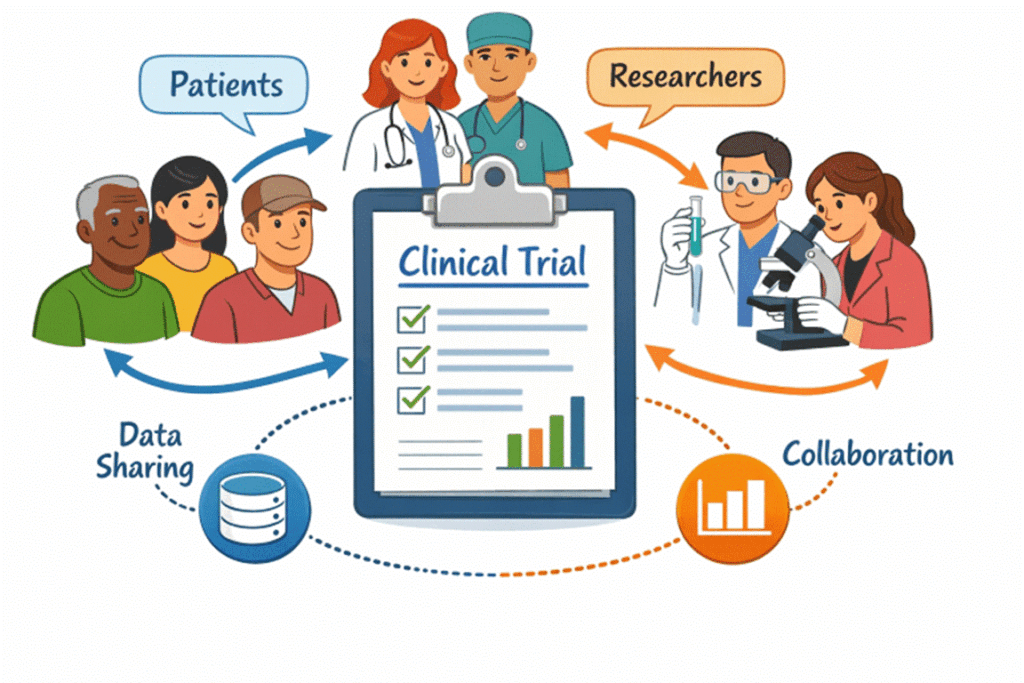

Clinical trials serve as the bridge between promising scientific research and real-world medical treatments. They are the testing ground where new medications, therapies, and interventions are tried with real patients to ensure safety and efficacy. Without clinical trials, advances from the laboratory would never benefit patients. As clinical research grows ever more complex, organizations like AbbVie Clinical Trials are helping lead the way in modernizing the approach and imparting hope for future discoveries.
Through strategic planning and rigorous testing, clinical trials offer hope for patients battling everything from cancer to rare diseases. They not only verify if a treatment works but also highlight possible side effects and who may benefit most. Today, advances in technology and data analytics are revolutionizing how these trials are run and making participation more accessible to diverse groups worldwide.
The Role of Clinical Trials in Medical Progress
Clinical trials are carefully designed studies that use human volunteers to evaluate the effectiveness and safety of drugs, devices, or new healthcare approaches. Every breakthrough medication or therapy, whether it’s a cancer immunotherapy or a vaccine against a global virus, has passed through a sequence of clinical trial phases. These studies establish whether a new treatment provides improved outcomes compared to current standards while keeping patient safety at the forefront.
Without these foundational studies, there would be no reliable way to distinguish promise from hype. Clinical trials help medical professionals determine the appropriate dosage, identify side effects that emerge only in certain patient populations, and identify who benefits most from a particular therapy. This systematic process ensures that only the safest and most effective treatments reach the public.
By fostering collaboration among scientists, healthcare providers, and patients, clinical research has made exceptional progress in fighting diseases and improving the quality of life for people around the globe. Ongoing research continues to offer hope for new cures and longer, healthier lives.
Technological Innovations Enhancing Clinical Trials
The introduction of technological innovations, particularly artificial intelligence (AI), has had a transformative effect on clinical research. AI rapidly processes large amounts of data, enabling researchers to identify eligible participants, predict trial outcomes, and monitor responses in real time. These tools help reduce errors, limit delays, and often cut the timeline for developing new therapies in half.
With remote data capture and sophisticated algorithms, AI can identify trends that would be nearly impossible to spot manually. As a result, researchers can focus on the most promising treatments and optimize trial strategies, saving time and resources.
Decentralized Trials: Bringing Research to Patients
Traditional clinical trials required participants to visit established sites, often multiple times. In contrast, decentralized clinical trials leverage digital health technologies and telemedicine, enabling participants to join from their homes. This approach increases accessibility for subscribers in rural areas or those with mobility limitations, leading to higher enrollment and completion rates.
Decentralized designs have proved especially valuable during public health crises and for patients needing long-term observation. Wearable devices, mobile apps, and virtual consultations reduce barriers to participation and improve the diversity and volume of data collected. By reimagining how and where trials happen, research becomes more inclusive and patient-centered.
Adaptive Trial Designs: Flexibility in Research
Adaptive clinical trials enable ongoing modifications based on data collected throughout the study. Unlike traditional, fixed protocols, adaptive trials may alter factors such as dosage, patient eligibility, or intervention strategies as results emerge. This flexibility leads to more efficient studies, helping researchers identify effective treatments more quickly and halt unproductive ones earlier.
Adaptive designs are increasingly popular with regulatory agencies and researchers because they can reduce the number of patients exposed to less effective treatments and accelerate the path to breakthrough discoveries.
Real-World Evidence: Bridging the Gap
Incorporating real-world evidence, or RWE, means supplementing trial data with insights from routine clinical practice, such as electronic health records and patient registries. RWE draws from broader, more diverse populations and settings than traditional clinical settings, thereby enhancing the generalizability of trial findings.
This approach ensures that therapies proven effective in structured studies perform similarly in everyday settings, especially for patients who are often underrepresented in research. It also provides valuable information on long-term outcomes and rare side effects, further informing patient care.
Patient Participation: The Heart of Clinical Trials
No clinical trial can succeed without volunteers. Patients who participate contribute invaluable data that helps shape treatment guidelines and lead to new or improved therapies for future generations. Protecting participants’ rights and safety is critical, and clear, informed consent processes and robust ethical oversight are required in every reputable study.
Recruitment remains a challenge. Many people are unaware of the existence of trials or feel anxious about participating. Open communication, education, and support throughout the process enhance trust and encourage more widespread involvement, making research more representative and comprehensive. Community outreach programs also help address gaps by reaching populations who might not otherwise consider participation.
Challenges and Future Directions
Despite progress, clinical research faces ongoing obstacles: the high cost of trial execution, regulatory complexity, and delays in recruitment and retention are persistent issues. Continued innovations in technology, trial design, and patient-centric approaches are vital to overcome these barriers. Greater efforts to include underrepresented communities will make findings more robust and applicable to all patients.
The future of clinical trials relies on collaboration between patients, healthcare professionals, research organizations, and regulatory bodies. Through this partnership, leveraging technology and shared data, clinical trials will continue to drive advancements in medicine and bring cutting-edge care to people worldwide. Ongoing research not only improves outcomes but also expands the horizons of what personalized healthcare can achieve for patients everywhere.