
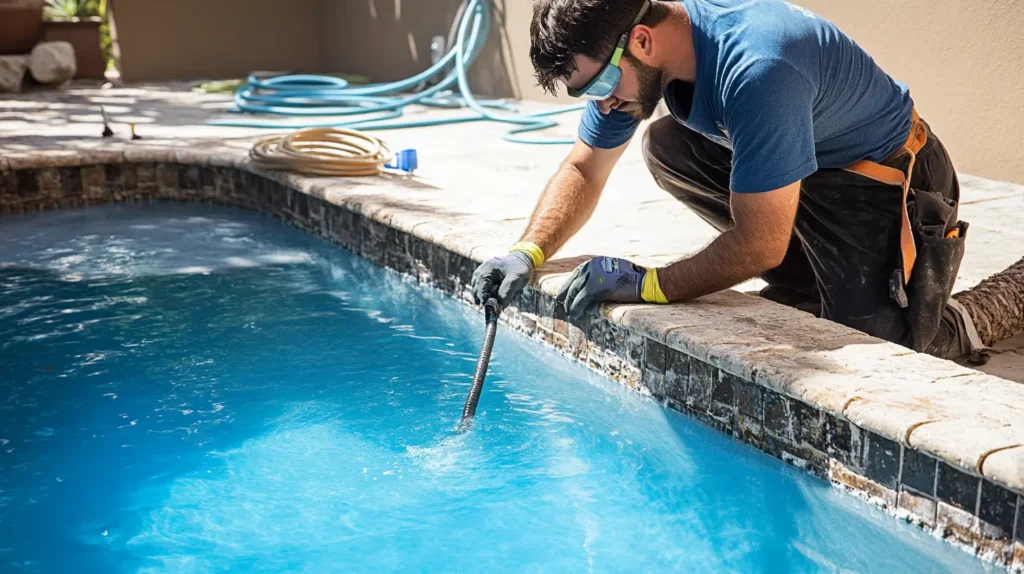

Swimming pools are complex water systems that combine structural engineering, hydraulic circulation, and chemical balance to provide a safe and enjoyable environment. Over time, exposure to environmental conditions, continuous water pressure, and chemical treatments can cause wear and damage to different components of the pool. Understanding how these systems deteriorate and how they can be restored is essential for long-term performance and safety. In many cases, timely pool repair becomes necessary to prevent minor issues from turning into expensive structural failures and to ensure the pool continues functioning efficiently.
A well-maintained swimming pool is not only visually appealing but also structurally sound and hygienic. Without proper care, even high-quality pools can develop leaks, surface cracks, equipment malfunctions, and water quality issues. This makes consistent maintenance and technical understanding extremely important for pool owners and facility managers.
Understanding the Structure and Function of Swimming Pools
A swimming pool is built using multiple integrated layers and systems, each serving a specific function. The primary structure, often made of concrete, fiberglass, or vinyl, provides the physical shape and strength of the pool. This is followed by a waterproof surface layer that protects the structure from water penetration and chemical corrosion.The circulation system is equally important. It includes pumps, pipes, skimmers, and filters that continuously move water through cleaning and sanitizing processes. Without proper circulation, water becomes stagnant, leading to algae growth and bacterial contamination.Additionally, chemical systems regulate pH levels, chlorine concentration, and overall water balance. When any of these components fail or degrade, the entire pool system is affected. This interconnected design is why even small structural or mechanical issues can escalate quickly if not addressed properly.
Common Causes of Pool Damage and Deterioration
Pool damage can occur for a variety of reasons, and understanding these causes helps in preventing long-term issues. One of the most common factors is natural aging. Over time, materials such as plaster, concrete, and sealants weaken due to constant exposure to water and chemicals.Ground movement is another significant cause of damage. Soil expansion and contraction can put pressure on the pool shell, resulting in cracks or shifting structures. This is especially common in areas with seasonal temperature variations.Improper chemical balance is also a major contributor to deterioration. Highly acidic water can erode plaster surfaces and corrode metal components, while overly alkaline water can cause scaling and cloudy deposits. Both conditions negatively affect the pool’s longevity.Mechanical failures, such as malfunctioning pumps or clogged filters, can also lead to system inefficiency. When water is not properly circulated, it increases the likelihood of algae growth and uneven chemical distribution, which further damages surfaces and equipment.
Leak Detection and Diagnostic Techniques
One of the most critical aspects of maintaining a pool is identifying leaks early. Water loss that exceeds normal evaporation rates is often a sign of structural or plumbing issues. Detecting leaks requires careful observation and specialized techniques.Pressure testing is commonly used to identify leaks in underground plumbing lines. This involves isolating sections of the system and measuring pressure drops. Dye testing is another method where colored dye is introduced near suspected leak areas to observe water movement.Electronic listening devices can also detect underground leaks by amplifying sound vibrations caused by escaping water. These advanced techniques help pinpoint problems without unnecessary excavation.At this stage, effective pool repair depends on accurate diagnosis. Misidentifying the source of a leak can lead to repeated issues and unnecessary repair costs. Proper assessment ensures that the correct area is treated, whether it involves structural cracks, plumbing lines, or fittings.
Surface Damage and Restoration Processes
The interior surface of a swimming pool plays a crucial role in both aesthetics and waterproofing. Over time, surfaces can develop stains, cracks, rough textures, and discoloration due to chemical exposure and physical wear.Resurfacing is one of the most common restoration methods. It involves removing the damaged top layer and applying a new finish such as plaster, pebble coating, or tile. This process not only restores appearance but also strengthens the pool’s waterproof barrier.Crack repairs are another essential part of surface maintenance. Small cracks can be filled using epoxy or specialized bonding materials that restore structural integrity and prevent water leakage.In more severe cases, full surface replacement may be required. This ensures that the pool remains safe, functional, and visually appealing for years to come.
Equipment and Filtration System Maintenance
The mechanical systems of a pool are just as important as its structure. Pumps, filters, heaters, and chlorination units work together to maintain water clarity and hygiene.Pool pumps are responsible for circulating water through the system. When pumps fail or operate inefficiently, water circulation slows, leading to poor filtration and algae growth. Common pump issues include worn seals, motor failures, and clogged impellers.Filters also require regular maintenance. Sand, cartridge, and diatomaceous earth filters must be cleaned or replaced periodically to ensure effective removal of debris and contaminants.Heating systems and chemical feeders must also be inspected regularly. Faulty heaters can disrupt water temperature balance, while malfunctioning feeders can lead to unsafe chemical levels.Proper maintenance of these systems reduces the likelihood of major breakdowns and supports overall pool efficiency.
Preventive Maintenance and Long-Term Care
Preventive maintenance is one of the most effective ways to reduce the need for extensive repairs. Regular cleaning, chemical balancing, and equipment inspections help identify issues before they become serious problems.Maintaining proper water chemistry is essential. Balanced pH levels prevent corrosion, scaling, and surface damage. Consistent monitoring ensures that chlorine and alkalinity levels remain within safe ranges.Routine inspection of tiles, plumbing lines, and equipment helps detect early signs of wear. Addressing minor issues immediately prevents them from escalating into costly structural damage.Incorporating scheduled maintenance routines also extends the lifespan of the pool. Investing time and effort in preventive care significantly reduces the frequency of major interventions such as pool repair, ensuring long-term stability and performance.
Cost Considerations and Planning for Repairs
The cost of maintaining and repairing a swimming pool varies depending on the type and severity of damage. Minor issues such as seal replacement or small crack filling are relatively inexpensive. However, structural repairs, resurfacing, or plumbing replacements can require significant investment.Leak detection and underground pipe repairs are often more complex and costly due to the specialized equipment and labor involved. Similarly, resurfacing projects require both material and skilled labor costs, making them one of the more expensive maintenance tasks.While repair costs may seem high, delaying necessary work often results in greater expenses in the future. Early intervention is always more cost-effective than addressing large-scale structural failures.
The Importance of Professional Expertise
Although some maintenance tasks can be handled by pool owners, most repair work requires professional expertise. Skilled technicians are trained to diagnose complex issues, use advanced tools, and ensure that repairs meet safety standards.Professionals can identify hidden problems that are not visible during routine inspections. Their experience allows for accurate diagnosis and efficient repair solutions, reducing the risk of recurring issues.Relying on experts ensures that the pool system is restored correctly and safely, extending its operational life and improving overall performance.
Environmental and Safety Considerations
Proper pool maintenance also contributes to environmental sustainability. Efficient water circulation and chemical balance reduce water waste and minimize the use of harmful substances. A well-maintained pool repair in miami is also safer for users. Balanced chemicals prevent skin irritation, while clean filtration systems reduce the risk of bacterial contamination.Structural integrity is equally important for safety. Cracks, leaks, and equipment failures can create hazardous conditions if left unaddressed.
Conclusion
Swimming pools require continuous attention to remain safe, functional, and visually appealing. From structural integrity to mechanical performance, every component plays a vital role in overall system health. Understanding how damage occurs and how it can be effectively managed is essential for long-term care.Regular inspections, preventive maintenance, and timely interventions ensure that minor issues do not escalate into major failures. In many cases, consistent pool repair is the key factor in preserving both performance and safety, allowing pool owners to enjoy a reliable and long-lasting aquatic environment.