
Water damage is one of the most disruptive and costly problems that can affect residential, commercial, and industrial properties. Whether caused by burst pipes, flooding, roof leaks, appliance failures, or sewage backups, water intrusion can quickly escalate into structural deterioration, mold growth, and electrical hazards. Because water spreads rapidly and penetrates multiple building layers, immediate action is essential. This is where emergency water damage repairs become critical in minimizing loss, restoring safety, and preventing long-term complications.
Unlike routine maintenance or scheduled repairs, emergency water restoration focuses on fast response and damage containment. The goal is not only to remove visible water but also to address hidden moisture within walls, floors, and structural components. A delayed response can significantly increase repair costs and compromise the integrity of the entire building.
Understanding the Nature of Water Damage
Water damage is classified based on the source and level of contamination. Clean water damage typically comes from broken pipes or supply line leaks and poses the least health risk. Grey water originates from appliances such as washing machines or dishwashers and may contain contaminants. Black water is the most hazardous and usually results from sewage backups or floodwater, containing harmful bacteria and toxins.Each type requires different handling procedures and safety precautions. Regardless of the source, water quickly spreads through porous materials such as drywall, wood, insulation, and carpet. Within hours, it can weaken structural components and create conditions for mold growth.This is why emergency water damage repairs must begin as soon as possible after the incident occurs.
Immediate Response and Damage Assessment
The first step in emergency water restoration is rapid response. Professional teams typically arrive quickly to assess the situation and determine the extent of the damage. Time is critical because water absorption begins immediately upon contact with building materials.During assessment, technicians identify the source of water intrusion and stop it if possible. This may involve shutting off the main water supply, repairing broken pipes, or addressing roof leaks.
A detailed inspection is then conducted to evaluate affected areas. Moisture meters, infrared cameras, and thermal imaging tools are often used to detect hidden water behind walls and under flooring.
This assessment helps determine the appropriate restoration plan and prioritizes areas that require immediate attention.
Water Extraction and Removal Process
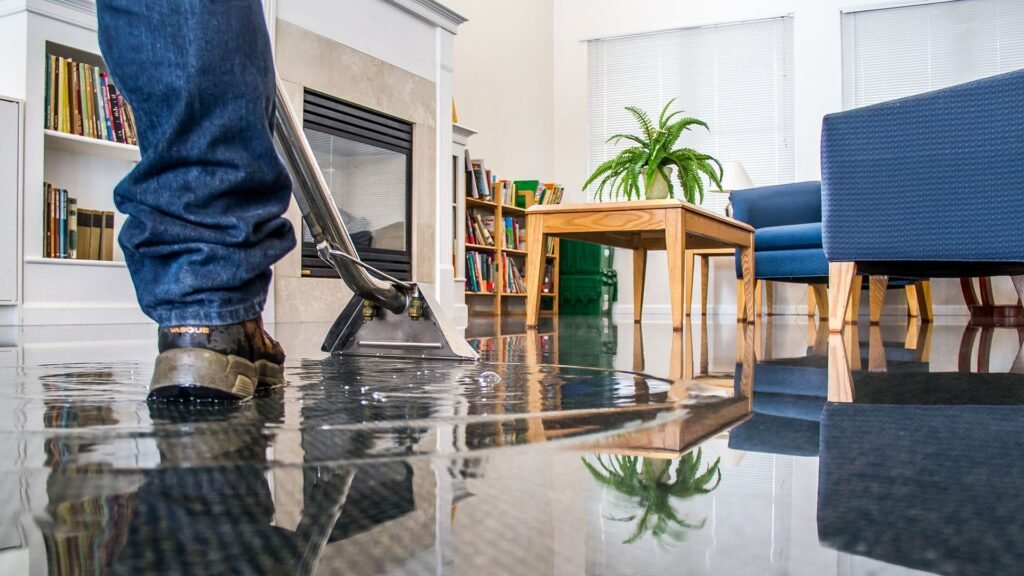
Once the situation is under control, the next step is removing standing water. High-powered pumps and industrial wet vacuums are used to extract water quickly and efficiently.Fast water removal is essential to prevent further absorption into building materials. Carpets, rugs, and furniture may also need to be removed or relocated to prevent permanent damage.In severe cases, water may have spread into multiple rooms or levels of a building. Effective extraction ensures that the drying process can begin without delay.This stage is one of the most important parts of emergency water damage repairs, as it directly influences the overall restoration timeline.
Drying and Dehumidification
Even after visible water is removed, moisture often remains trapped inside walls, floors, and structural components. If not properly addressed, this hidden moisture can lead to mold growth, odors, and long-term damage.Professional drying involves the use of air movers and dehumidifiers. Air movers circulate air across wet surfaces to accelerate evaporation, while dehumidifiers extract moisture from the air.This controlled drying process ensures that all affected materials reach safe moisture levels. Technicians continuously monitor humidity and moisture content to ensure complete drying.Depending on the severity of the damage, this stage may take several days to complete.
Cleaning, Sanitization, and Odor Control
Water damage often introduces contaminants, especially in cases involving sewage or floodwater. Even clean water can create conditions for bacterial growth if left untreated.Sanitization is essential to ensure the safety of the environment. Specialized cleaning agents are used to disinfect affected surfaces and prevent microbial growth.Odor control treatments are also applied to eliminate musty smells caused by moisture and mold development. In some cases, ozone treatments or thermal fogging may be used for deeper odor removal.Proper cleaning ensures that the environment is not only dry but also safe for occupancy.
Structural Repairs and Restoration
Once the drying and cleaning process is complete, structural repairs begin. Water-damaged materials such as drywall, flooring, insulation, and baseboards may need to be repaired or replaced.In cases of severe damage, sections of walls or flooring may require full reconstruction. Carpentry, painting, and finishing work are often part of the restoration process.Electrical systems must also be inspected to ensure safety. Water exposure can damage wiring, outlets, and appliances, creating potential fire hazards.This stage of emergency water damage repairs restores the property to its original condition or better, depending on the extent of the renovation.
Mold Prevention and Remediation
One of the most serious risks following water damage is mold growth. Mold can begin developing within 24 to 48 hours in moist environments. Once it spreads, it can affect air quality and cause health issues such as allergies and respiratory problems.Preventing mold requires thorough drying, proper ventilation, and antimicrobial treatments. In cases where mold is already present, professional remediation is necessary.This involves isolating affected areas, removing contaminated materials, and treating surfaces with specialized solutions.Effective mold prevention is a crucial part of long-term water damage recovery.
Insurance Claims and Documentation
Water damage incidents are often covered by insurance policies, depending on the cause and terms of coverage. Proper documentation is essential for successful claims processing.Restoration professionals typically take detailed photographs, moisture readings, and damage reports. These records help insurance companies assess the extent of the loss and approve compensation.Clear communication between property owners, restoration teams, and insurance providers ensures a smoother claims process and faster recovery.
Common Causes of Emergency Water Damage
Water damage can occur unexpectedly due to a variety of reasons. Burst pipes are one of the most common causes, especially during temperature fluctuations or aging plumbing systems.Severe weather events such as heavy rainfall and flooding can also overwhelm drainage systems and lead to water intrusion.Appliance malfunctions, such as washing machine leaks or water heater failures, are another frequent source.Roof leaks caused by damaged shingles or poor waterproofing can allow water to enter the building structure over time.Understanding these causes helps in both prevention and early detection.
Importance of Rapid Response in Water Damage Situations
Time is the most critical factor in water damage situations. The longer water remains in contact with building materials, the greater the damage becomes.Within hours, materials begin to swell and weaken. Within days, mold growth can begin. Delays in response significantly increase repair costs and complexity.Rapid intervention through emergency water damage repairs minimizes structural damage, reduces restoration time, and improves overall outcomes.
Preventive Measures to Reduce Water Damage Risk
While emergencies cannot always be prevented, certain measures can reduce the risk of water damage. Regular plumbing inspections help identify leaks before they become major problems.Maintaining roof integrity prevents water intrusion during storms. Cleaning gutters ensures proper drainage and reduces overflow risks.Installing water detection systems and automatic shut-off valves can also help detect leaks early and prevent extensive damage.Proper maintenance is the most effective way to reduce the likelihood of emergency situations.
Health and Safety Considerations
Water damage can create hazardous conditions, especially when contaminated water is involved. Electrical hazards are also a major concern when water comes into contact with wiring or outlets.Restoration professionals follow strict safety protocols, including the use of protective gear and controlled work environments.Ensuring safety during cleanup and repair is just as important as restoring the property itself.After restoration, long-term protection strategies help prevent future incidents. This may include waterproofing basements, upgrading plumbing systems, or improving drainage around the property.Regular inspections and maintenance schedules help detect potential issues early. Investing in preventive solutions reduces the risk of recurring water damage.Proper restoration not only repairs the damage but also strengthens the property against future risks.
Conclusion: Restoring Safety Through Emergency Water Damage Solutions
Water damage can be sudden, disruptive, and destructive, but with immediate action and professional intervention, its impact can be significantly reduced. The process of emergency water damage repairs involves rapid response, water extraction, drying, cleaning, structural restoration, and long-term prevention.Each step plays a vital role in restoring safety, functionality, and comfort to affected properties. Quick response and proper restoration techniques not only minimize damage but also protect health and property value.By understanding the causes, risks, and recovery process, property owners can better prepare for emergencies and ensure faster, more effective restoration when water damage occurs.