

Introduction
Truck service refers to the routine inspection, maintenance, diagnostics, and repair of commercial trucks to ensure they operate safely, efficiently, and reliably. Because trucks are heavily used in logistics, construction, manufacturing, and long-distance transportation, they experience significant wear and tear. Regular servicing is essential to prevent breakdowns, reduce operating costs, and maintain compliance with safety and environmental regulations.
Unlike basic vehicle maintenance, truck service involves complex systems such as diesel engines, heavy-duty transmissions, air brake systems, suspension setups, and advanced electronic controls. A well-structured servicing program helps extend vehicle lifespan and ensures smooth operations in demanding working conditions.
Importance of Truck Service
Truck service is critical because commercial vehicles operate under continuous stress and often carry heavy loads over long distances. Even minor mechanical issues can lead to major delays in supply chains, financial losses, and safety risks.One of the most important benefits of regular truck service is reliability. Well-maintained trucks are less likely to break down unexpectedly, which improves delivery schedules and operational efficiency.Safety is another key factor. Faulty brakes, worn tires, or engine issues can lead to serious road accidents. Regular servicing ensures that all critical systems are functioning properly.Truck service also improves fuel efficiency. A properly tuned engine, clean filters, and well-lubricated components reduce fuel consumption, helping businesses save money over time.
Types of Truck Service
Truck service is divided into several categories depending on the level of maintenance required.Routine maintenance includes basic inspections and servicing tasks such as oil changes, filter replacements, tire checks, and fluid top-ups. These services are performed regularly based on mileage or time intervals.Preventive servicing focuses on identifying potential issues before they become serious problems. This includes detailed inspections of brakes, suspension, electrical systems, and engine components.Diagnostic truck service uses advanced tools and software to identify hidden or electronic issues within the vehicle. Modern trucks rely heavily on onboard computer systems that require specialized diagnostic equipment.Major servicing involves repairing or replacing critical components such as engines, transmissions, or axle systems. These services are required when significant wear or failureb occurs.Emergency truck service is provided when a truck breaks down on the road. Mobile service units assist with tire replacements, battery issues, fuel problems, or minor mechanical repairs.
Key Components Checked in Truck Service
A comprehensive truck service covers multiple systems to ensure overall performance and safety.
Engine System
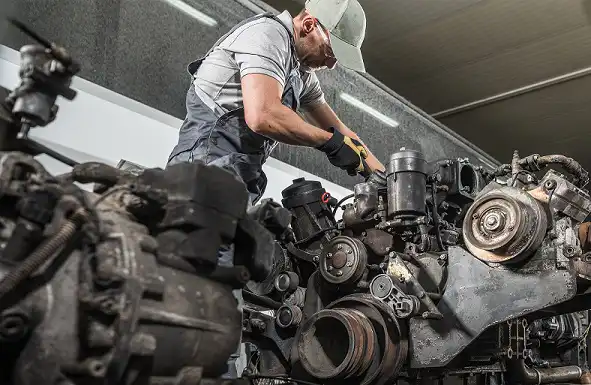
The engine is the heart of the truck. Servicing includes oil changes, air filter cleaning, fuel system inspection, and checking for leaks or overheating issues.Transmission servicing ensures smooth gear shifting and proper power distribution. It involves checking transmission fluid levels and inspecting for wear or damage.
Brake System
Truck brakes are critical for safety. Servicing includes checking air brake systems, replacing brake pads, and inspecting brake lines for leaks or damage.Suspension systems support heavy loads and ensure vehicle stability. Servicing includes inspecting shock absorbers, springs, and alignment.
Electrical System
Modern trucks rely on electrical systems for ignition, lighting, sensors, and onboard computers. Truck service includes battery testing, wiring checks, and sensor diagnostics.Tires are inspected for wear, pressure, alignment, and damage. Proper tire maintenance improves fuel efficiency and road safety.
Importance of Preventive Truck Service
Preventive truck service is one of the most effective ways to reduce long-term repair costs and avoid unexpected breakdowns. Instead of waiting for a failure, regular inspections help identify small issues early.For example, replacing worn brake pads during preventive service is much cheaper than repairing a damaged brake system after failure. Similarly, early detection of engine issues can prevent costly overhauls.
Many fleet operators schedule preventive servicing based on mileage, operating hours, or time intervals to ensure consistent vehicle performance.
Role of Technology in Truck Service
Modern truck service has become highly advanced due to technological integration. Computerized diagnostics allow mechanics to quickly identify issues within complex electronic systems.Onboard diagnostic systems provide real-time data about engine performance, fuel consumption, and emissions. This helps technicians make accurate repairs and reduce downtime.Fleet management software is also widely used to track service schedules, maintenance history, and vehicle performance. This improves efficiency and reduces operational risks.
Fleet Truck Service Management
Fleet servicing involves maintaining multiple trucks within a company or organization. It requires structured planning and regular monitoring.Fleet managers schedule maintenance for each vehicle to ensure that no truck is overused or neglected. This helps maintain uniform performance across the entire fleet.Efficient fleet truck service reduces downtime, improves delivery reliability, and lowers overall maintenance costs. It also helps companies comply with safety regulations and inspection requirements.
Mobile Truck Service
Mobile truck service has become increasingly popular due to its convenience and efficiency. Instead of towing a broken truck to a workshop, technicians travel directly to the vehicle’s location.Mobile service units are equipped with essential tools and spare parts to handle common issues such as tire replacement, battery failure, and minor engine repairs.This service significantly reduces downtime, especially for trucks operating on highways or in remote areas.The cost of truck service depends on several factors including vehicle type, service level,parts replacement, and labor charges.Routine maintenance is generally affordable, while major repairs such as engine or transmission work can be expensive. Emergency roadside services may also carry additional costs due to urgency.Using preventive maintenance helps reduce long-term expenses by avoiding major breakdowns and extending vehicle lifespan.
Benefits of Regular Truck Service
Regular truck service provides several long-term benefits for businesses and drivers.It improves vehicle reliability, ensuring fewer breakdowns and delays. It also enhances road safety by keeping all systems in proper working condition.Fuel efficiency is another major benefit, as well-maintained engines consume less fuel. Additionally, regular servicing increases the resale value of trucks.For fleet operators, consistent servicing ensures smoother logistics operations and better customer satisfaction.Truck service often reveals a variety of mechanical and technical issues.Engine overheating, brake wear, tire damage, and transmission problems are among the most common issues. Electrical faults such as battery failure or sensor malfunction are also frequently detected.Addressing these problems early helps prevent major breakdowns and costly repairs.
Environmental Impact of Truck Service
Proper truck service contributes to environmental sustainability. Well-maintained engines produce fewer emissions and operate more efficiently.Regular servicing ensures that exhaust systems function correctly, reducing harmful pollutants. Proper disposal of used oil, filters, and batteries also helps minimize environmental damage.Many modern truck service centers follow eco-friendly practices to support sustainability goals.The truck service industry faces several challenges, including a shortage of skilled technicians and increasing complexity of modern vehicles.Advanced electronic systems require specialized training and equipment, which not all service centers possess. Rising costs of spare parts and labor also affect service pricing.Additionally, maintaining service efficiency during peak demand periods can be challenging for large fleets.
Future of Truck Service
The future of truck service in Golden Glades is being shaped by automation, electrification, and artificial intelligence.Electric trucks are becoming more common, requiring new types of servicing focused on batteries and electrical systems instead of traditional engines.Predictive maintenance powered by AI will allow systems to detect potential failures before they occur, reducing downtime and repair costs.Digital monitoring and remote diagnostics will continue to improve efficiency and accuracy in truck servicing.
Conclusion
Truck service is a vital part of maintaining safe, efficient, and reliable commercial transportation. From routine maintenance to advanced diagnostics and emergency repairs, every aspect of servicing plays a role in ensuring smooth operations.Regular truck service improves safety, reduces costs, enhances fuel efficiency, and extends vehicle lifespan. As technology continues to evolve, truck servicing is becoming more advanced, predictive, and efficient.For businesses and drivers alike, investing in consistent truck service is not just maintenance, it is a long-term strategy for reliability, performance, and operational success.