
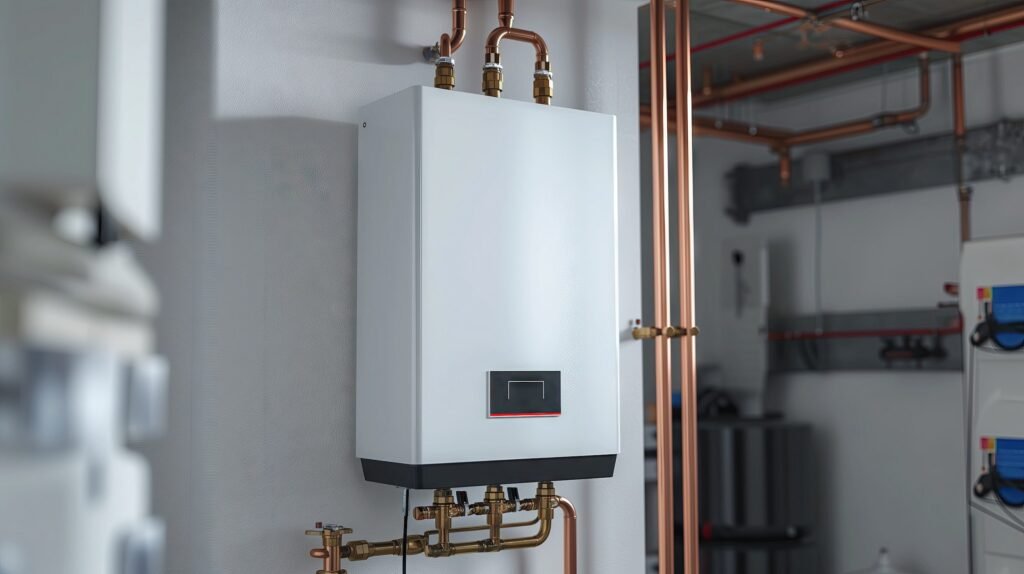

When it comes to upgrading a home’s hot water system, many homeowners are turning toward energy-efficient solutions that deliver consistent performance without unnecessary waste. One of the most popular choices today is a tankless water heater, a system designed to heat water on demand rather than storing it in a bulky tank. This modern approach not only saves space but also reduces energy consumption, making it an appealing option for households aiming to improve both comfort and efficiency.
Understanding the process of tankless water heater installation is essential before making the switch. Unlike traditional systems, these units require careful planning, proper sizing, and professional-level attention to detail to ensure they operate effectively. From choosing the right unit to preparing your home’s infrastructure, each step plays a crucial role in achieving long-term reliability.
Understanding How Tankless Water Heaters Work
A tankless water heater, often referred to as an on-demand water heater, operates by heating water only when it is needed. Instead of storing heated water in a reservoir, the system uses high-powered heating elements or gas burners to instantly warm water as it flows through the unit. This design eliminates standby heat loss, which is common in conventional tank systems.Because of this efficiency, homeowners benefit from continuous hot water without worrying about running out during peak usage. However, this advantage comes with specific installation requirements, which makes proper planning essential for a successful outcome.
Benefits of Choosing a Tankless System
There are several compelling reasons why homeowners are making the switch. First, energy efficiency stands out as a major benefit. Since the system only heats water when required, it reduces overall energy consumption, which can lead to noticeable savings on utility bills over time.Another key advantage is space-saving design. Traditional water heaters can take up significant room, whereas tankless systems are compact and can often be mounted on walls. This flexibility makes them ideal for homes with limited space or those looking to optimize utility areas.Longevity is another important factor. Tankless systems typically last longer than traditional heaters, often exceeding 15 to 20 years with proper maintenance. This extended lifespan can offset the higher upfront costs associated with installation.
Preparing for Installation
Before beginning the tankless water heater installation, it is important to assess the home’s existing infrastructure. This includes evaluating electrical capacity or gas supply, depending on the type of unit being installed. Tankless systems often require upgrades to support their higher power demands, particularly in older homes.
Water pressure and flow rate must also be considered. The system should be sized appropriately based on the household’s peak hot water usage. For example, running multiple showers, washing machines, and dishwashers simultaneously requires a unit capable of handling higher flow rates.Additionally, proper ventilation is essential for gas-powered units. Ensuring that exhaust systems are correctly installed will help maintain safety and compliance with building codes.
Steps Involved in Installation
The installation process typically begins with removing the existing water heater. This step must be handled carefully to avoid damaging plumbing connections or causing leaks. Once the old unit is removed, the installation area should be prepared for the new system.
Next, mounting the tankless unit is completed. These systems are usually installed on a wall, requiring secure brackets and proper positioning to allow easy access for maintenance. After mounting, water lines are connected, ensuring that both hot and cold water supplies are properly aligned.For electric units, wiring must be installed according to manufacturer specifications. Gas units require connecting to a gas line and installing proper ventilation systems. This stage is critical and often requires professional expertise to ensure safety and efficiency.Finally, the system is tested to confirm proper operation. This includes checking water temperature, flow rate, and ensuring there are no leaks or performance issues.Throughout this process, careful attention to detail ensures a successful tankless water heater installation that will deliver reliable performance for years.
Common Challenges During Installation
While tankless systems offer many benefits, installation can present certain challenges. One of the most common issues is upgrading existing infrastructure. Homes not originally designed for tankless systems may require electrical panel upgrades or larger gas lines.Another challenge involves ensuring consistent water temperature. Improper sizing or incorrect installation can lead to fluctuations, especially when multiple fixtures are used simultaneously. This is why selecting the right unit and following precise installation steps is crucial.
Space constraints, although less significant than with traditional systems, can still pose challenges. Proper placement is necessary to ensure ventilation, accessibility, and compliance with safety standards.
Cost Considerations
The cost of installation can vary depending on several factors, including the type of unit, labor requirements, and any necessary upgrades. While tankless systems generally have a higher upfront cost compared to traditional heaters, their energy efficiency and longer lifespan often make them a worthwhile investment.It is important to consider both short-term and long-term expenses. Although installation may require a larger initial budget, the reduction in energy bills and maintenance costs can provide significant savings over time.
Proper maintenance plays a key role in maximizing the lifespan of a tankless system. Regular flushing is recommended to remove mineral buildup, especially in areas with hard water. This helps maintain efficiency and prevents damage to internal components.
Routine inspections are also important. Checking for leaks, ensuring proper ventilation, and verifying system performance can help identify potential issues before they become major problems.With consistent care, a well-installed system can operate efficiently for decades, making the initial investment even more valuable.
Environmental Impact
Switching to a tankless water heater can contribute to a more sustainable lifestyle. Reduced energy consumption leads to lower greenhouse gas emissions, making these systems an environmentally friendly choice.Additionally, the longer lifespan of tankless units means fewer replacements and less waste over time. This aligns with broader efforts to minimize environmental impact while maintaining modern living standards.
Although some homeowners may consider installing a system themselves, professional installation is highly recommended. Certified technicians have the expertise needed to handle complex requirements, ensuring that the system operates safely and efficiently.Working with a professional also helps ensure compliance with local building codes and manufacturer warranties. This can prevent costly mistakes and provide peace of mind knowing the installation has been completed correctly.Selecting an experienced installer is an important step in achieving a successful tankless water heater installation. Their knowledge and attention to detail can make a significant difference in overall system performance.
Comparing Tankless and Traditional Systems
Understanding the differences between tankless and traditional systems can help homeowners make informed decisions. While traditional heaters store hot water and are generally less expensive upfront, they are less efficient and have shorter lifespans.
Tankless systems, on the other hand, provide on-demand heating, improved efficiency, and longer service life. However, they require careful installation and may involve higher initial costs.Ultimately, the choice depends on individual needs, budget, and long-term goals. For those seeking efficiency and modern convenience, tankless systems are often the preferred option.
Tips for Maximizing Performance
To get the most out of a tankless water heater installation, it is important to follow best practices. Avoid overloading the system by understanding its capacity and managing simultaneous water usage. Installing low-flow fixtures can also help maintain consistent performance.
Regular maintenance, including descaling and inspections, ensures the system remains efficient. Additionally, setting the correct temperature helps prevent energy waste and enhances safety.Proper usage habits combined with professional installation can significantly improve the overall experience and longevity of the system.
Final Thoughts
Upgrading to a tankless water heater represents a smart investment for homeowners looking to enhance efficiency, save space, and enjoy a continuous supply of hot water. While the process may seem complex, understanding the key steps and considerations makes it much more manageable.A well-executed tankless water heater installation ensures optimal performance, safety, and long-term reliability. By choosing the right system, preparing the home appropriately, and working with experienced professionals, homeowners can enjoy the many benefits these modern systems have to offer.
As technology continues to advance, tankless water heaters remain a leading choice for those seeking a balance between convenience, efficiency, and sustainability. Making the transition today can lead to improved comfort and reduced energy costs for years to come.