
Stone facades have long been admired for their timeless elegance, durability, and natural appeal. Whether used in traditional homes or modern architectural designs, stone exteriors create a strong visual impact while offering long-lasting protection. However, like any building material, stone is not immune to wear and tear. Over time, exposure to environmental elements can cause deterioration, discoloration, and structural issues. This is where stone facade renovation becomes essential, not only to restore the original charm but also to preserve the integrity of the structure.
Understanding the Need for Renovation
A stone facade may appear solid and unchanging, but it is constantly exposed to weather conditions such as rain, heat, wind, and pollution. These factors gradually affect the surface and underlying structure. Cracks, loose stones, mortar decay, and staining are common signs that renovation is needed.Ignoring these issues can lead to more severe damage over time. Moisture infiltration, for example, can weaken the structure and cause internal problems such as mold growth. Renovation helps address these concerns early, preventing costly repairs in the future while maintaining the aesthetic value of the building.
Benefits of Stone Facade Renovation
One of the primary advantages of renovating a stone facade is the restoration of its original appearance. Dirt, algae, and stains can dull the natural beauty of stone, making a building look aged and neglected. Cleaning and refinishing can bring back its vibrancy and elegance.
Another significant benefit is improved structural stability. Repairing cracks and replacing damaged stones ensures that the facade remains secure and durable. This is particularly important for older buildings where the original materials may have weakened over time.Energy efficiency can also improve through renovation. Sealing gaps and reinforcing the facade helps regulate indoor temperatures, reducing energy consumption for heating and cooling. In addition, a well-maintained facade increases property value and enhances curb appeal, making it more attractive to potential buyers or tenants.
Common Issues in Stone Facades
Stone facades can face a variety of problems depending on their age, material type, and environmental exposure. One of the most common issues is surface staining caused by pollution, water runoff, or biological growth such as moss and algae.Cracking is another frequent problem, often resulting from temperature fluctuations or structural movement. These cracks can allow water to seep in, leading to further damage if not addressed promptly.
Mortar deterioration is also a concern. Over time, the mortar that holds the stones together can weaken or crumble, compromising the stability of the facade. In some cases, stones may become loose or even fall off, posing safety risks.Efflorescence, a white powdery residue on the surface, is another issue that occurs when water-soluble salts rise to the surface. While not structurally harmful, it affects the appearance and indicates moisture problems that need attention.
The Renovation Process
Stone facade renovation is a detailed process that requires careful planning and execution. The first step is a thorough inspection to assess the condition of the facade. This includes identifying cracks, loose stones, moisture issues, and areas of discoloration.
Once the assessment is complete, cleaning is usually the next step. Depending on the type of stone and level of dirt, various methods such as pressure washing, chemical cleaning, or gentle scrubbing may be used. It is important to choose the right technique to avoid damaging the stone surface.
Repair work follows the cleaning process. Cracks are filled, damaged stones are replaced, and loose sections are secured. Repointing, which involves renewing the mortar joints, is a critical part of the renovation. This not only improves the appearance but also strengthens the structure.After repairs, sealing the facade is often recommended. A high-quality sealant protects the stone from moisture, stains, and environmental damage. This step enhances durability and reduces the need for frequent maintenance.
Choosing the Right Materials and Techniques
Selecting appropriate materials is crucial for a successful renovation. The new mortar should match the original in composition and color to maintain the facade’s authenticity. Using incompatible materials can lead to further damage and an uneven appearance.
Similarly, the choice of cleaning method should be based on the type of stone. Softer stones require gentler techniques, while harder stones can withstand more intensive cleaning. Professional expertise is often necessary to ensure the correct approach is used.Modern technology has introduced advanced tools and materials that make renovation more efficient and effective. However, traditional methods are still valuable, especially for historic buildings where preserving authenticity is important.
DIY vs Professional Renovation
While some minor cleaning and maintenance tasks can be done by homeowners, stone facade renovation is generally best handled by professionals. The process involves specialized skills and knowledge to avoid causing further damage.
Professional contractors have the experience to identify underlying issues that may not be visible to an untrained eye. They also have access to proper equipment and high-quality materials, ensuring a more durable and aesthetically pleasing result.Attempting complex repairs without the necessary expertise can lead to costly mistakes. Therefore, investing in professional services is often the safer and more effective option.
Maintenance Tips After Renovation
Once the renovation is complete, regular maintenance is essential to keep the facade in good condition. Periodic cleaning helps prevent the buildup of dirt and biological growth. Inspecting the facade for cracks or damage allows for early intervention before problems escalate.Proper drainage is also important. Ensuring that water does not accumulate on or near the facade reduces the risk of moisture-related issues. Gutters and downspouts should be kept clean and functional.Reapplying sealant as needed helps maintain protection against environmental factors. Following these maintenance practices can extend the lifespan of the facade and preserve its appearance.
Cost Considerations
The cost of stone facade renovation can vary depending on several factors, including the size of the building, the extent of damage, and the type of stone used. Basic cleaning and minor repairs are generally more affordable, while extensive restoration work can be more expensive.Although the initial cost may seem high, renovation is a worthwhile investment. It prevents further damage, reduces long-term maintenance expenses, and enhances property value. Planning and budgeting in advance can help manage costs effectively.
Enhancing Aesthetic Appeal
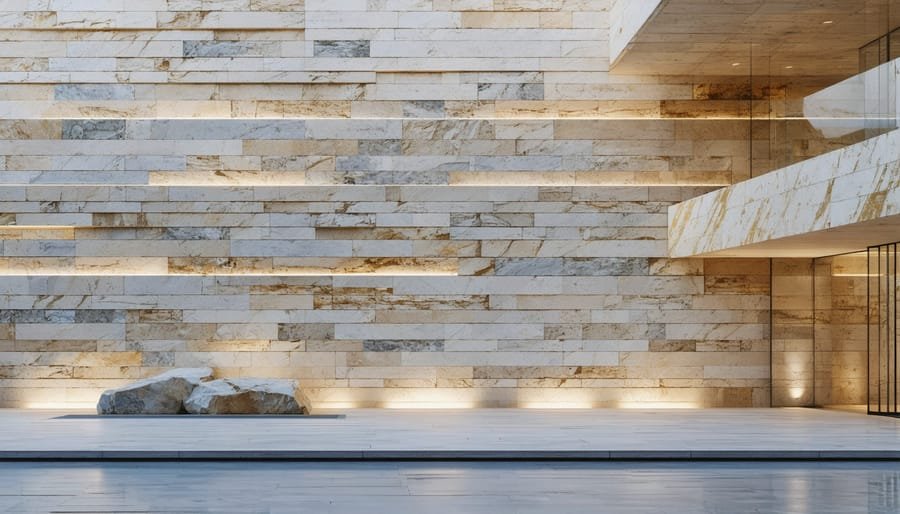
Renovation offers an opportunity to enhance the visual appeal of a building. In addition to restoring the original look, homeowners may choose to update the design by incorporating different finishes or complementary materials.Lighting can also play a significant role in highlighting the beauty of a stone facade. Properly placed lights can accentuate textures and create a striking appearance, especially at night.Landscaping around the building can further enhance the overall look. Combining natural elements with a well-maintained stone facade creates a harmonious and inviting environment.
Sustainability and Environmental Impact
Stone is a natural and durable material, making it an environmentally friendly choice for construction. Renovating an existing facade rather than replacing it reduces waste and conserves resources.
Using eco-friendly cleaning products and sustainable materials during renovation further minimizes environmental impact. This approach aligns with modern trends toward sustainable building practices.By extending the life of the stone facade renovation contributes to long-term sustainability while maintaining the building’s historical and architectural value.
Final Thoughts
Stone facade renovation is more than just a cosmetic upgrade; it is an essential process for preserving the strength, beauty, and value of a building. From addressing structural issues to enhancing visual appeal, renovation offers numerous benefits that make it a worthwhile investment.
With proper planning, the right materials, and professional expertise, a worn or damaged stone facade can be transformed into a stunning and durable feature once again. Regular maintenance ensures that the results last for years, allowing homeowners to enjoy the timeless elegance of stone exteriors.
Whether you are restoring an old structure or refreshing a modern design, stone facade renovation provides a reliable and effective way to protect and enhance your property for the future.