
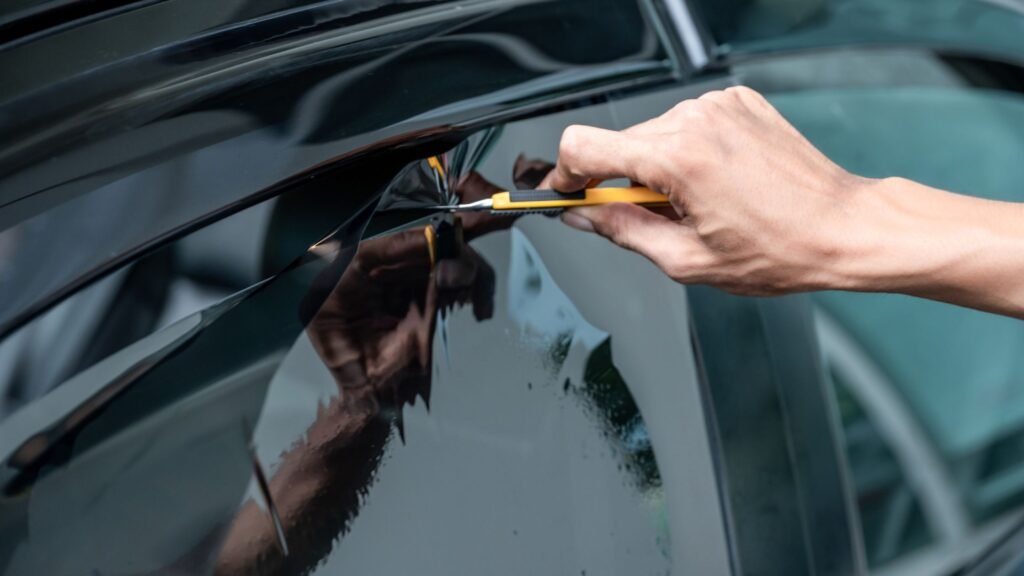

Car interiors are constantly exposed to sunlight, heat, and ultraviolet rays, especially when vehicles are parked outdoors for long periods. Over time, this exposure can fade upholstery, dry out leather, crack dashboards, weaken plastics, and make cabin surfaces look older than they are. UV damage often happens slowly, so many drivers do not notice the problem until colors have dulled or materials have become brittle. Window tinting helps reduce this damage by limiting harsh sunlight inside the cabin, keeping the interior cooler, and preserving the vehicle’s appearance and comfort.
Interior Protection Basics
Reducing UV Exposure Through Tinted Glass
Window tinting helps protect car interiors by blocking a significant amount of ultraviolet radiation before it reaches seats, dashboards, carpets, door panels, and trim. Untreated glass may reduce some sunlight, but it still allows enough UV energy to cause fading and surface damage over time. Quality film creates an added barrier that slows this process and helps interior materials retain their original color and texture. Drivers who park in open lots, drive during peak sunlight hours, or own vehicles with dark interiors may notice the benefit more quickly because heat and glare can be more intense. Properly installed automotive window tinting also improves comfort by reducing direct sun exposure on passengers and surfaces. When less UV energy enters the cabin, leather remains softer, vinyl resists cracking longer, and fabric colors hold up better through daily use.
Lowering Cabin Heat to Prevent Material Stress
UV rays are not the only concern; heat buildup also damages interior materials. When a car sits in the sun, cabin temperatures can rise quickly, placing stress on dashboards, consoles, seats, electronics, and adhesives used in trim pieces. Repeated heating and cooling cycles can cause surfaces to expand, contract, dry out, or separate. Window tinting reduces solar heat gain, helping the cabin remain cooler even when parked outside. A cooler interior places less strain on leather, plastic, and rubber seals, as well as display screens. This can also make the vehicle more comfortable for the driver when returning from shopping, work, or school pickup. Less heat means less need to run the air conditioner at full power immediately, which can support a smoother driving experience. By controlling heat, tinting helps preserve both the vehicle’s appearance and functionality.
Protecting Seats, Dashboards, and Electronics
Seats and dashboards are often the first areas to show sun damage because they sit directly under large glass surfaces. Fabric can fade unevenly, leather can lose moisture, and dashboards can develop cracks or a chalky finish. Window tinting helps slow the visible signs by reducing the amount of sunlight reaching these high-exposure areas. Modern vehicles also contain screens, sensors, buttons, and electronic controls that can be affected by extreme heat. While tinting does not replace careful maintenance, it adds a layer of daily protection that supports the condition of these features. Drivers can also combine tinting with windshield shades, regular cleaning, leather conditioning, and shaded parking when possible. These habits work together to reduce wear. A protected interior feels cleaner, newer, and more pleasant for passengers, while also helping the vehicle retain value over time.
Choosing Film That Matches Daily Driving Needs
Not all window films perform the same way, so choosing the right tint matters. Some films focus mainly on appearance, while others provide stronger heat and UV reduction without making the glass too dark. Drivers should consider local tint laws, visibility needs, climate, vehicle type, and how often the car is parked in direct sunlight. Ceramic and carbon films are often chosen for heat control and clarity, while dyed films may offer a more basic level of sun reduction. The goal is to select a film that protects the interior without reducing safe visibility. Proper installation is also important because bubbles, peeling edges, or poor fit can reduce performance and appearance. A well-chosen tint can protect the cabin year-round, whether the vehicle is used for daily commuting, family travel, rideshare work, or long highway drives.
Tinting Helps Preserve the Cabin
Window tinting protects car interiors by reducing UV exposure, lowering heat buildup, and slowing damage to seats, dashboards, trim, and electronics. It helps prevent fading, cracking, dryness, and surface wear caused by repeated exposure to sunlight. When paired with smart habits such as using sunshades, cleaning surfaces, conditioning leather, and parking in shade when possible, tinting becomes part of a strong interior care plan. The result is a cooler, more comfortable cabin that looks better for longer. For drivers who want to preserve their vehicle’s appearance and value, window tinting offers practical everyday protection.