

Creating a comfortable indoor environment has become more important than ever because people spend a significant portion of their daily lives inside homes, offices, shopping centers, and commercial buildings. Whether during freezing winters or extremely hot summers, maintaining balanced indoor temperatures directly affects health, productivity, sleep quality, and overall well-being. As technology continues to evolve, homeowners and businesses are increasingly searching for energy-efficient systems that can provide both heating and cooling without consuming excessive electricity or creating high maintenance costs. Among the most innovative solutions available today, the heat pump has emerged as one of the most effective and environmentally responsible technologies for year-round indoor climate control.
Unlike traditional systems that generate heat through combustion or electric resistance, modern climate systems work by transferring heat from one place to another. This process makes them significantly more efficient while reducing overall energy consumption. As energy prices continue to rise and environmental awareness grows, more people are exploring alternatives that offer long-term savings, reliable performance, and reduced environmental impact. Understanding how these systems operate and why they are becoming increasingly popular can help property owners make informed decisions about their heating and cooling needs.
Understanding How Advanced Climate Systems Work
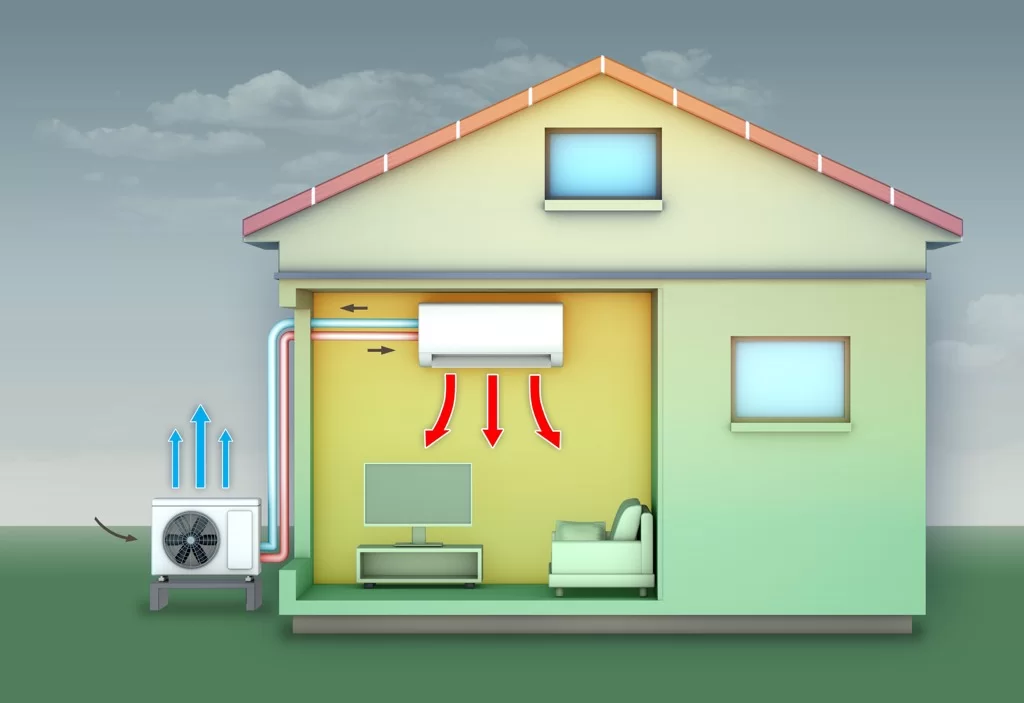
Many people assume that heating and cooling systems operate through entirely separate mechanisms, but modern technology has made it possible for a single unit to handle both functions efficiently. The primary principle behind this technology involves transferring thermal energy rather than producing it directly. During colder months, the system extracts heat from outdoor air and moves it indoors. During warmer months, the process reverses, removing heat from inside the building and releasing it outdoors.
This process may sound surprising, especially when outdoor temperatures feel extremely cold. However, even cold air contains thermal energy that can be extracted and utilized. Through the use of refrigerants, compressors, evaporator coils, and condensers, the system efficiently transfers heat while maintaining consistent indoor comfort. Because the technology relies on moving heat rather than generating it through fuel combustion, it consumes far less energy compared to many traditional systems.
The growing popularity of the heat pump is largely connected to its remarkable efficiency. Conventional heating systems often lose a significant portion of energy during the heating process, while advanced transfer-based systems maximize efficiency by utilizing existing thermal energy. This difference allows property owners to reduce electricity consumption while maintaining reliable indoor temperatures throughout the year.
The Growing Demand for Energy Efficiency
Energy efficiency has become one of the biggest priorities for modern homeowners and businesses. Rising utility costs and increasing concerns about environmental sustainability have encouraged people to seek technologies that minimize waste while maintaining strong performance. Traditional heating systems that rely heavily on fossil fuels or electric resistance can consume large amounts of energy, leading to higher operational costs over time.
Modern climate control solutions are designed to reduce unnecessary energy usage without sacrificing comfort. Because these systems transfer heat instead of generating it directly, they can deliver several units of heating or cooling energy for every unit of electricity consumed. This efficiency translates into noticeable reductions in monthly utility bills, especially for properties located in regions with varying seasonal temperatures.
Another reason for the increasing demand is government support for energy-efficient technologies. In many regions, authorities encourage the installation of environmentally friendly systems through tax incentives, rebates, and energy-saving programs. These initiatives not only reduce initial installation costs but also promote long-term sustainability goals by lowering carbon emissions and reducing dependence on fossil fuels.
Businesses are also recognizing the financial advantages of energy-efficient systems. Commercial buildings often require large-scale climate control to maintain comfortable working environments for employees and customers. By investing in modern solutions, businesses can significantly lower operating expenses while improving environmental responsibility. This combination of financial and ecological benefits has made efficient climate systems a preferred choice across residential and commercial sectors.
Year-Round Comfort in Every Season
One of the greatest advantages of modern heating and cooling technology is its ability to provide comfort throughout the entire year using a single integrated system. Traditional setups often require separate units for heating and cooling, which increases installation complexity, maintenance requirements, and energy consumption. In contrast, a properly installed heat pump can handle both heating and cooling efficiently from one system.
During summer, the system removes heat from indoor air and transfers it outside, creating a cool and refreshing environment. In winter, the process reverses, drawing thermal energy from outdoor air and bringing it indoors. This versatility simplifies climate management while reducing the need for multiple appliances and separate maintenance schedules.
The ability to maintain consistent temperatures also improves indoor comfort significantly. Older systems sometimes create uneven heating or cooling, leaving certain rooms uncomfortable while others become excessively warm or cold. Advanced technology allows modern systems to distribute air more evenly throughout the building, creating a balanced and pleasant atmosphere in every room.
Another important advantage is humidity control. Excess humidity can make indoor spaces feel sticky and uncomfortable during warmer months, while dry air during winter can cause respiratory irritation and skin dryness. Efficient climate systems help regulate indoor humidity levels, contributing to a healthier and more comfortable environment overall.
Environmental Benefits and Sustainable Living
Environmental sustainability has become a global priority as concerns about climate change and carbon emissions continue to grow. Heating and cooling systems contribute significantly to overall energy consumption, which means choosing efficient technology can have a major impact on reducing environmental harm.
Traditional systems powered by fossil fuels release greenhouse gases into the atmosphere, contributing to air pollution and environmental degradation. Modern electric-based systems, however, produce significantly fewer emissions because they rely on transferring thermal energy instead of burning fuel. This makes them an environmentally responsible choice for homeowners and businesses seeking to reduce their carbon footprint.
The heat pump has become especially important in discussions about sustainable living because of its ability to operate with minimal environmental impact. As electricity grids increasingly incorporate renewable energy sources such as solar and wind power, these systems become even cleaner and more sustainable over time.
In addition to reducing emissions, efficient climate systems help conserve natural resources by minimizing overall energy demand. Lower energy consumption means reduced pressure on power generation infrastructure and decreased dependence on nonrenewable energy sources. For environmentally conscious property owners, investing in efficient heating and cooling technology represents a meaningful step toward sustainable living.
Modern manufacturers are also focusing on environmentally safer refrigerants that reduce harm to the atmosphere. These improvements further strengthen the environmental advantages of advanced climate systems while supporting international sustainability standards and regulations.
Installation Factors and System Selection
Choosing the right climate control system requires careful consideration of several important factors. Every property has unique heating and cooling requirements based on size, insulation quality, climate conditions, and occupancy patterns. Selecting a system without proper planning can lead to poor efficiency, increased operating costs, and reduced comfort.
One of the most critical aspects is correct sizing. Many people mistakenly believe that larger systems always perform better, but oversized units can create short cycling problems that reduce efficiency and increase wear on components. Undersized systems, on the other hand, may struggle to maintain comfortable temperatures and operate continuously under excessive strain.
Professional assessment is therefore essential before installation. Experienced technicians evaluate factors such as building layout, insulation levels, window placement, airflow patterns, and regional climate conditions to determine the most suitable configuration. Proper installation ensures optimal performance, longer lifespan, and maximum energy savings.
Ductwork condition also plays an important role in overall system efficiency. Leaky or poorly insulated ducts can cause significant energy loss, reducing the effectiveness of heating and cooling operations. In some cases, ductless systems may provide a more practical and efficient solution, particularly for older buildings or spaces without existing duct infrastructure.
Another important consideration is long-term maintenance. Regular inspections, filter replacement, and system cleaning help maintain efficiency and prevent unexpected breakdowns. Property owners who invest in professional servicing often experience better performance, lower utility costs, and extended equipment lifespan.
Improving Indoor Air Quality and Health
Indoor air quality directly affects health, comfort, and daily productivity. Poor air circulation, dust buildup, mold growth, and airborne allergens can create unhealthy living conditions that contribute to respiratory issues, allergies, and fatigue. Efficient climate control systems play a major role in maintaining cleaner indoor air.
Modern systems include filtration mechanisms designed to capture dust, pollen, and other airborne particles before they circulate throughout the building. Regular filter replacement helps maintain strong airflow while improving indoor air cleanliness. Some advanced systems also include air purification technologies that further enhance indoor environmental quality.
Humidity management is another important health-related benefit. Excessive moisture can encourage mold growth and create uncomfortable indoor conditions, while overly dry air may irritate the skin, eyes, and respiratory system. Efficient climate systems help maintain balanced humidity levels, supporting healthier and more comfortable indoor environments.
Consistent indoor temperatures also contribute to overall wellness. Extreme temperature fluctuations can disrupt sleep, reduce concentration, and create unnecessary physical discomfort. By maintaining stable indoor conditions year-round, modern systems support better daily living experiences for families and employees alike.
Businesses especially benefit from improved indoor air quality because comfortable working environments can positively influence employee performance and customer satisfaction. Clean, well-regulated indoor spaces create a more welcoming atmosphere while reducing the likelihood of discomfort-related productivity issues.
Long-Term Financial Advantages
Although installation costs for advanced climate systems may initially appear significant, the long-term financial benefits often outweigh the upfront investment. Lower monthly energy bills represent one of the most immediate and noticeable advantages. Efficient systems consume less electricity while delivering reliable heating and cooling performance, leading to substantial savings over time.
Maintenance costs can also be lower compared to maintaining separate heating and cooling units. Because a single integrated system handles both functions, property owners may reduce servicing complexity and overall equipment management expenses.
Another financial benefit involves property value. Energy-efficient features have become increasingly attractive to homebuyers and commercial property investors. Buildings equipped with modern climate systems often appeal more strongly to environmentally conscious buyers who prioritize long-term operational savings and sustainability.
Durability and reliability further contribute to long-term value. Systems that receive regular maintenance can continue operating efficiently for many years, reducing the need for premature replacement. Preventative care helps identify small issues before they develop into expensive repairs, protecting the owner’s investment and ensuring dependable performance.
Additionally, government incentives and rebate programs can significantly offset installation expenses in some regions. These financial support initiatives encourage the adoption of efficient technologies while helping property owners transition toward more sustainable energy solutions.
The Future of Indoor Climate Technology
The future of heating and cooling technology continues to evolve rapidly as manufacturers focus on improving efficiency, sustainability, and smart automation. Modern systems are becoming increasingly intelligent, allowing users to control temperatures remotely through smartphones, programmable thermostats, and home automation platforms.
Artificial intelligence and smart sensors are also enhancing energy management capabilities. Advanced systems can analyze occupancy patterns, weather conditions, and user preferences to optimize performance automatically. These innovations not only improve convenience but also maximize efficiency and reduce unnecessary energy consumption.
Renewable energy integration is another major trend shaping the future of climate control technology. Solar-powered systems and hybrid solutions are becoming more accessible, further reducing environmental impact and operational costs. As renewable energy infrastructure expands globally, efficient electric-based systems are expected to play an increasingly central role in sustainable building design.
The continued advancement of the heat pump reflects a broader shift toward environmentally responsible technologies that balance comfort, efficiency, and sustainability. As awareness grows regarding energy conservation and climate responsibility, more homeowners and businesses are likely to adopt systems that support both economic and environmental goals.
Conclusion
Modern indoor climate solutions have transformed the way people experience comfort in homes and commercial spaces. Efficient technology now allows property owners to maintain ideal indoor temperatures throughout the year while reducing energy consumption, environmental impact, and long-term operating costs. These advancements have made modern systems one of the most practical and sustainable investments for contemporary living.
The increasing popularity of the heat pump demonstrates how innovation can provide reliable heating and cooling without sacrificing efficiency or environmental responsibility. From improved indoor air quality and humidity control to lower utility bills and reduced carbon emissions, the benefits extend far beyond simple temperature regulation.
As energy efficiency and sustainability continue to influence construction and home improvement decisions, advanced climate systems are expected to become even more important in the years ahead. By understanding how these technologies operate and why proper installation and maintenance matter, homeowners and businesses can make informed decisions that improve comfort, protect the environment, and deliver long-term financial value.