
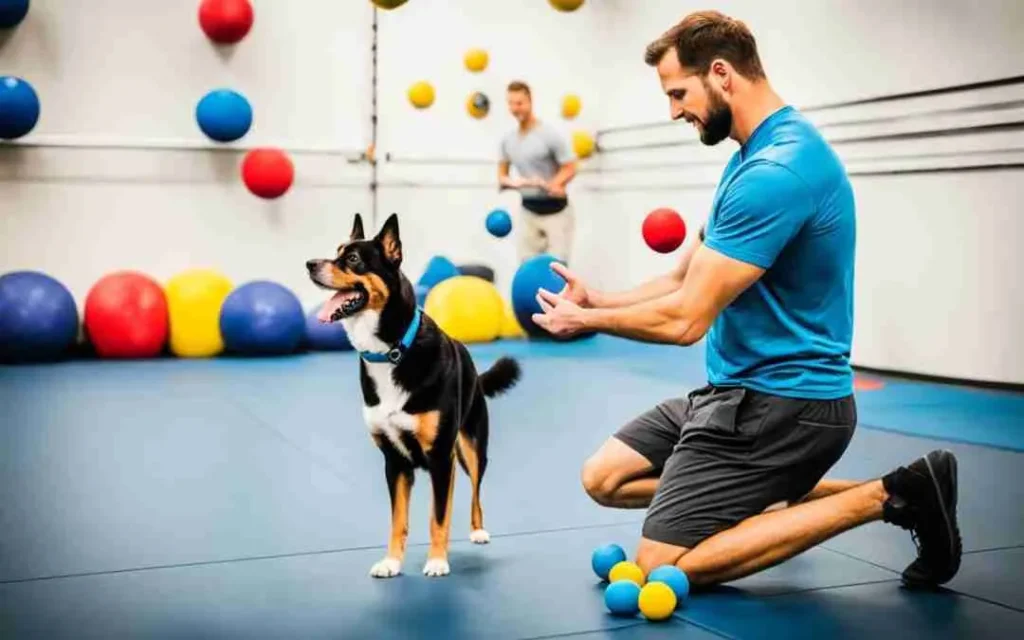

In the world of dog training, board and train programs have become an increasingly popular option for pet owners looking to instill good behavior in their furry companions. However, not all board and train programs are created equal, and finding one that is both effective and efficient can be a daunting task. This professional guide aims to provide invaluable tips for ensuring your dog’s time in a board and train program is not only productive but also yields long-lasting results. From selecting the right facility to maintaining consistency at home, this article will equip you with all the information you need to make the most out of your dog’s training experience. So buckle up as we delve into the top tips for efficient dog board training!
Choosing the Right Board and Train Program
When selecting a board and train program for your dog, consider the trainer’s qualifications, experience, and training methods. Look for certified trainers who specialize in positive reinforcement techniques to ensure your dog receives humane and effective training.
Ensure that the facility provides a clean, safe environment for your dog during their stay. Ask about the daily routine, exercise opportunities, and playtime provided to keep your pet engaged and happy while learning new behaviors.
Take time to visit the facility beforehand to observe how dogs are cared for and trained. Trust your instincts; if something feels off or doesn’t align with your beliefs about animal welfare, look elsewhere for a reputable board and train program that prioritizes your dog’s well-being.
Setting Clear Training Goals
- Define Specific Objectives: Before starting the training, clearly outline what behaviors you want to address or improve in your dog. Whether it’s obedience commands, leash walking, or socialization skills, having specific goals will help keep the training focused and effective.
- Break Down Tasks: Break down each training goal into smaller tasks that are easily achievable for your dog. This way, you can track progress more effectively and prevent overwhelming your pet with complex commands all at once.
- Set Realistic Timeline: Set a realistic timeline for achieving each training goal based on your dog’s abilities and personality. Be patient and consistent in your approach to ensure long-term success in behavior modification efforts.
By setting clear goals from the outset of board training sessions, both you and your furry companion will have a roadmap to follow throughout the process – leading to quicker results and enhanced bonding between owner and pet alike.
Establishing Consistent Communication
- Use Clear Commands: Keep your commands simple and easy to understand for your dog. Use consistent language so they can learn quickly.
- Stay Positive: Always use positive reinforcement when communicating with your dog. Praise them for good behavior to reinforce training.
- Be Patient: Dogs take time to learn, so be patient and give them the opportunity to understand what you want from them.
Consistent communication is key in successful dog board training. By following these tips, you can effectively communicate with your furry friend and make the most out of your training sessions. Remember to keep it simple, stay positive, and be patient throughout the process.
Implementing Effective Reinforcement Techniques
- Consistency is key: Make sure to consistently reward your dog with treats or praise immediately after they exhibit the desired behavior. This will help them understand what they are being rewarded for and encourage them to repeat the behavior in the future.
- Use positive reinforcement: Focus on rewarding good behaviors rather than punishing bad ones. Positive reinforcement, such as treats, toys, or verbal praise, helps create a positive association with training and motivates your dog to learn new behaviors.
- Timing is crucial: Timing is essential when it comes to reinforcement. Reward your dog immediately after they perform the desired behavior so they can make a connection between their actions and the reward. Delayed rewards may confuse your dog and make it harder for them to understand what they are being rewarded for.