
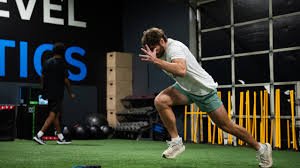

Developing skilled, resilient linemen is crucial to the success of any football team. The foundation for this development lies in effective training methods, particularly those that harness quality contact training equipment. When integrated correctly, tools like football practice gear can play a significant role in preparing linemen for the unique physical demands of the sport, ensuring they are ready to compete at a high level.
Traditional practice routines have always relied on physical contact, but recent innovations offer safer, more effective alternatives. These advancements provide linemen with the opportunity to refine their skills in a controlled, realistic environment while reducing the risk of injury and enhancing performance consistency.
Contact training not only builds physical toughness but also teaches linemen to apply techniques that enhance both individual and team performance in game situations. By simulating real-game contact situations, athletes become better prepared for the explosiveness, leverage, and movement required on every snap.
Coaches are increasingly using specialized tools, such as football blocking pads, to provide targeted feedback and measurable skill development. These training aids empower athletes to focus on specific movements and responses, ensuring that each drill addresses important gameplay scenarios and the unique challenges linemen face on the field.
Importance of Contact Training
Linemen occupy one of the game’s most physically demanding positions, requiring strength, agility, and exceptional technical proficiency. Contact training prepares athletes for the high-impact nature of football, reinforcing their physical readiness while promoting proper leverage and hand placement.
Through realistic practice repetitions, linemen use their time effectively. Rather than simply building size and strength in the weight room, contact drills mimic live-game action and provide tangible improvements in power application, technique retention, and confidence under pressure. Organizations like the NFL mandate contact-reducing gear in practice settings, highlighting the pivotal role of safe, repetitive contact exposure in long-term player development.
Types of Contact Training Equipment
The evolution of football practice has brought a wide range of innovative equipment options, each designed for a specific training goal:
- Blocking Sleds: These heavy, mobile devices allow linemen to simulate drive-blocking, hone leverage, and build explosive power during team drills.
- Hand Shields: Portable and versatile, these pads help players and coaches reinforce hand-fighting and punch techniques while minimizing injury exposure.
- Agility Bags: Used on the ground, these barriers require players to develop precise footwork and lateral quickness, essential for both offensive and defensive linemen.
- Live Line Simulators: Integrated training rigs provide a realistic, energized environment, enabling linemen to train for reaction time and effective hand positioning against dynamic forces.
Benefits of Using Contact Training Equipment
Quality contact training gear gives teams a competitive edge by enhancing both skill development and overall athlete safety:
- Enhanced Skill Development: Repetition with equipment designed for specific football scenarios enables linemen to master complex techniques and adapt to varied game circumstances.
- Increased Safety: Design innovations in modern equipment reduce the risk of accidental contact injuries, allowing players to train at full intensity with a lower risk of harm.
- Realistic Scenarios: Equipment like live line simulators creates game-like conditions during practice, ensuring players have experience handling pressure and unpredictability before entering live play.
Implementing Contact Training in Practice
- Assess Team Needs: Identify the technical gaps or positional weaknesses your linemen face, such as hand placement, initial burst, or recovery after initial contact.
- Select Appropriate Equipment: Choose training tools that will strategically address the skills most important for your scheme and athlete population.
- Develop Structured Drills: Integrate drills that align with both the season phase and individual development plans, ensuring each session is purposeful and efficiency-driven.
- Monitor Progress: Frequent evaluation of athletes’ technical execution, strength improvements, and injury mitigation will help refine your training approach for optimal results.
Safety Considerations
Optimal training programs must always prioritize athletes’ health and safety. Strict adherence to equipment guidelines, proper supervision, and regular maintenance are essential. The implementation of additional safety technology, such as Guardian Cap helmet covers referenced by the NFL, demonstrates the sport’s ongoing commitment to minimizing long-term head trauma and acute injury risk. It is important for teams at all levels to reference standards and best practices from organizations like the CDC’s Heads Up program to develop and maintain a culture of safety in every practice session.
Real-World Examples
Many football organizations are leveraging advanced, simulation-oriented training resources. Jackson Electric Membership Corporation (Jackson EMC), for instance, introduced a live-line simulator into its safety and technical training program. This move allowed linemen to experience hands-on instruction with real, energized equipment in a safe, controlled practice setting. The results have shown significant improvements in both practical skills and overall training effectiveness.
Conclusion
The integration of advanced contact training equipment is a vital element in developing high-performance linemen. By selecting appropriate gear, crafting targeted practice drills, and maintaining strict safety protocols, coaching staff can elevate player skills, create safer practice environments, and prepare their teams for peak performance on game day. Consistent evolution of training methods and adherence to emerging safety standards will continue to shape the next generation of linemen ready to meet the challenges of football.