
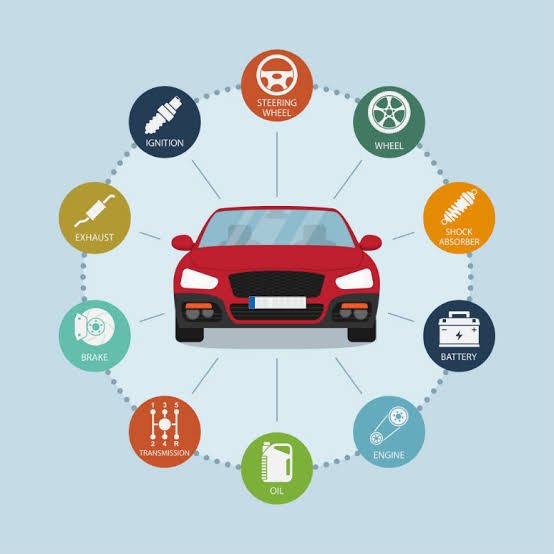

Maintaining your vehicle’s key components is vital to prolonging its lifespan and optimizing its performance. Proper maintenance provides several benefits, such as enhanced safety, improved fuel efficiency, and the prevention of unexpected breakdowns. By focusing on regular maintenance, you avoid more costly repairs and ensure your vehicle’s reliability. If you are searching for quality parts for your maintenance needs, visit the Bentley parts center for genuine options and professional assistance.
Every car owner should proactively care for their vehicle, as core components wear over time, making inspections and servicing essential. Well-maintained cars perform better, retain value, and save money by preventing breakdowns. Neglecting maintenance risks hazardous driving and legal issues, especially affecting safety systems like brakes or tires. Adapting routine maintenance to seasons and driving conditions offers added protection and peace of mind. Know when to service yourself and when to visit a professional. Following manufacturer guidelines for service intervals keeps your vehicle in top condition.
Battery Maintenance
Maintaining a healthy car battery is essential for daily reliability. Begin by inspecting the battery terminals regularly for corrosion, which often appears as a white, ashy deposit. Clean any buildup with a baking soda and water mixture, ensuring the connections remain tight and secure. Most standard batteries last about 4 years, though harsh climates can shorten that period. If your vehicle struggles to start or you notice dim headlights, it may be a sign that the battery is failing. At that stage, have your battery tested or replaced to prevent roadside emergencies.
Tire Care
Proper tire maintenance is fundamental for vehicle safety, fuel efficiency, and performance. Check your tire pressure monthly with a reliable gauge. The recommended pressure information is typically found on a sticker inside the driver’s door. Keeping tires properly inflated helps prevent uneven tread wear and reduces the chance of blowouts. In addition, routinely check the tire treads using the penny test. This helps ensure there is sufficient traction, particularly during wet or icy conditions. Tire rotation every 5,000 to 8,000 miles is also recommended to further extend tire longevity and improve overall handling.
Fluid Checks
Your vehicle relies on several important fluids to operate efficiently. Check and refill these regularly to avoid mechanical issues:
- Engine Oil: Monitor both the level and color of the oil. Dark, gritty oil indicates it needs to be changed, so follow your manufacturer’s recommendations for service intervals.
- Coolant: Make sure the coolant level is within the specified range. Low coolant can lead to overheating, which may cause major engine damage.
- Brake Fluid: If brake fluid is low, it could signal a leak or worn brake components. Always top it off with the recommended fluid type and consider a full system flush periodically.
- Transmission Fluid: Essential for ensuring smooth gear changes. Refer to your vehicle’s manual for checking procedures, as some models require the engine to be running or the vehicle to be on a level surface.
Brake System Inspection
Brakes play an indisputable role in driver safety. Warning signs of worn brakes include squealing, grinding noises, or a spongy pedal. Delayed braking or vibrations may suggest warped rotors or uneven pad wear. Have your brake system inspected by a certified mechanic at regular intervals, as this system is both complex and vital. Replacing worn pads and servicing components promptly reduces the risk of accidents and more expensive repairs down the line.
Engine Air Filter Replacement
The engine air filter keeps debris and dust out of your vehicle’s engine, helping maintain performance and fuel economy. Inspect the filter every 12,000 to 15,000 miles, or more often in dusty areas. A clogged air filter restricts airflow, causing engine strain and potentially reducing efficiency. Replacing a dirty air filter is a quick and inexpensive fix that delivers immediate benefits to your vehicle’s operation.
Belt and Hose Inspection
Belts and hoses transport vital fluids and drive many of your car’s systems, from the alternator to the water pump. Inspect these components regularly for cracks, fraying, or bulging. Replace any that show signs of wear to avoid sudden breakdowns and expensive engine damage. Keeping belts and hoses in good condition is critical for reducing the risk of overheating and loss of critical systems.
Seasonal Maintenance Tips
Cars are exposed to significant weather changes as seasons shift, each presenting unique hazards. In winter, test your battery to ensure it can withstand cold starts, use winter-grade oil if recommended, and keep your gas tank at least half full to prevent the fuel lines from freezing. In the summer, maintain coolant at appropriate levels and verify the air conditioning functions as expected to handle extreme heat. Adjusting maintenance routines for each season helps keep your car reliable year-round.
DIY vs. Professional Maintenance
Many vehicle maintenance tasks can be managed at home with the right tools and instructions. Common DIY tasks include changing the air filter, checking tire pressures, and refilling fluids. However, more complex components, such as the braking system, transmission, or timing belt, require professional attention. Relying on experienced mechanics for these jobs ensures the work is done safely and in accordance with manufacturer standards. Following expert guidance can spare you both time and money while maximizing vehicle reliability.
Consistently caring for your vehicle’s essential components is a smart investment in its future. By performing regular maintenance and enlisting professional help when necessary, you enhance your car’s performance, safety, and longevity.
Conclusion
Regular vehicle maintenance is one of the most effective ways to improve safety, reliability, and long-term performance. Simple tasks such as checking fluids, maintaining proper tire pressure, inspecting belts and hoses, and monitoring your battery can help prevent costly repairs and unexpected breakdowns. By combining routine DIY maintenance with professional servicing when needed, you can extend your vehicle’s lifespan, improve fuel efficiency, and enjoy greater peace of mind every time you get behind the wheel.