
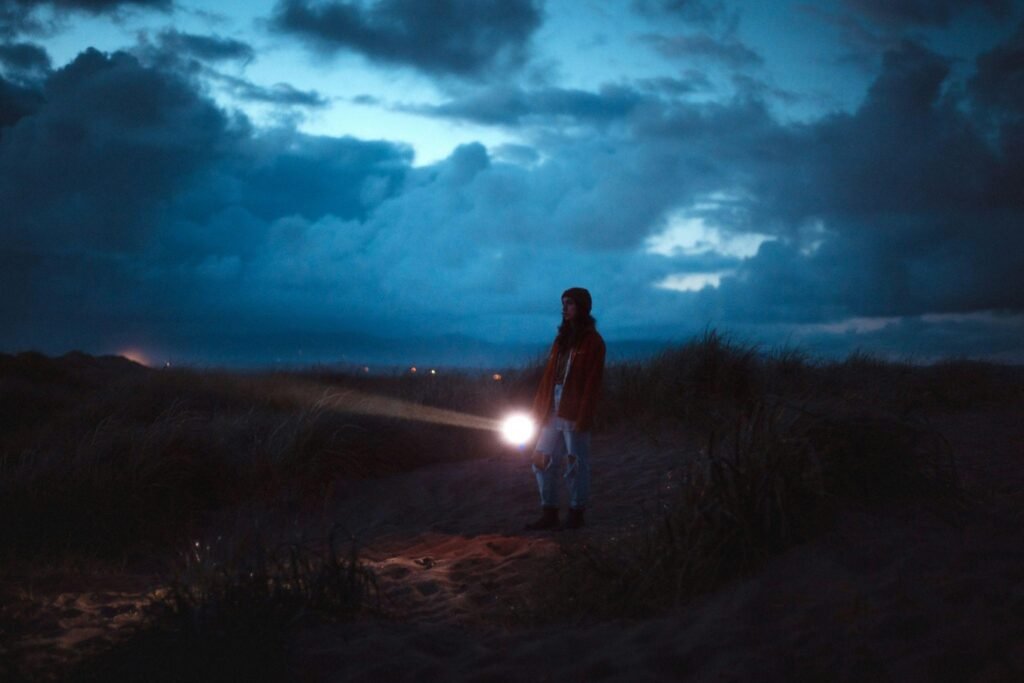

Navigating the Australian outdoors after dark is a skill that every hiker, camper, and explorer should have in their back pocket. You should have the right gear and the right mindset to stay safe while you enjoy the stars.
Preparation starts long before you lose the light. Most experienced trekkers will tell you that a reliable light source is your best mate when visibility drops. For example, carrying a high-quality 3000-lumen torch gives you the power to spot markers or hazards from a distance that a standard phone light simply cannot reach. Having that kind of output tucked in your pack or clipped to your belt provides a massive boost in confidence. Here’s how to prioritise outdoor safety and navigation after dark.
Understanding Your Surroundings
The bush looks completely different under a beam of light. Textures change, and depth perception can play tricks on you. When you’re moving through the scrub, keep your eyes moving. Instead of just looking at your feet, scan the area ahead of you. This helps you maintain a sense of direction and prevents you from walking into low-hanging branches or stepping into a hidden wombat hole.
It’s also a good idea to stay on marked tracks whenever possible. Off-track navigation at night is a whole different beast and requires a high level of skill with a compass or GPS. If you do find yourself needing to find your way back to a main path, look for reflective markers. Many modern trail systems use these, and a quick sweep of your light will make them pop out against the dark foliage.
The Power of the Southern Cross
While high-tech tools are fantastic, it’s always a plus to know a bit of old-school celestial navigation. In the Southern Hemisphere, people have the luxury of using the Southern Cross to find south. If you can spot the two Pointers and the main cross, you can draw an imaginary line to find a rough southern heading. It’s a brilliant way to double-check your compass or GPS and keep you feeling connected to the land. Just remember that the sky rotates, so what was directly above you at 8:00 PM will have shifted by midnight.
Managing Your Light and Vision
One thing many beginners overlook is the importance of preserving night vision. Your eyes take about twenty minutes to fully adjust to the dark. If you blast a bright white light every few seconds, you reset that clock. This is where a light with a dedicated red lamp mode comes in handy. Red light allows you to read a map or check your gear without blinding yourself or your mates.
When you do need the full power of your main beam, use it purposefully. Switch to a lower setting for general walking to save your battery, and save the high output modes for when you need to scout a distant landmark or signal someone. Modern LED technology is incredibly efficient, but being smart with your power management ensures you have light for the entire trek.
Staying Calm and Collected
If you ever feel like you have lost your bearings, the best thing you can do is stop. Take a seat, have a drink of water, and let your heart rate settle. Most mistakes happen when people rush because they feel a bit uneasy about the dark. In the Australian bush, it’s often safer to stay put and wait for first light than to push through thick scrub and get further away from your planned route.
Make sure someone back home knows your expected return time. This is a simple step that takes two minutes but makes a world of difference for your safety. If you have a reliable light and a basic plan, the night becomes a place of wonder rather than worry. You might even spot some of our local nocturnal legends, like a sugar glider or a boobook owl, which most people never get to see.
Gear Maintenance and Reliability
Our environment is tough on gear. Between the fine red dust and the sudden coastal rain, your equipment needs to be up to the task. Before you head out, give your torch a quick check. Ensure the seals are clean and the batteries are fully topped up. It’s also a smart move to carry a spare power source or a small backup light.
High-end lights today are built with toughened glass and aircraft-grade aluminium, which means they can take a bit of a knock on the rocks without failing. This level of reliability is what sets professional gear apart. You want to know that when you click that switch, the darkness will disappear instantly.
Moving Forward with Confidence
Learning to navigate after dark opens up a whole new world of adventure. There is something quite special about the stillness of the bush at night and the clarity of the stars away from the city lights. With a bit of practice and the right tools, you will find that the night is just another part of the journey to be enjoyed.
The more you get out there, the more natural it becomes. You start to recognise the sounds of the bush and the way shadows fall. It turns a simple hike into a true Australian experience. Just keep your gear ready, stay on the track, and keep a positive outlook.