
Clean and safe drinking water has become a necessity in today’s world due to increasing water pollution and contamination. One of the most effective and widely used technologies for water purification is reverse osmosis systems. These systems are designed to remove a wide range of impurities from water, ensuring high-quality drinking water for homes, businesses, and industries. With growing concerns about water safety, reverse osmosis has become a trusted solution for producing pure and healthy water.
What Are Reverse Osmosis Systems
Reverse osmosis systems are advanced water purification units that use a semi-permeable membrane to remove dissolved salts, heavy metals, chemicals, and other contaminants from water. The system works by applying pressure to force water through a fine membrane that allows only clean water molecules to pass while blocking unwanted particles.
This process is highly effective in improving water quality, making it safe for drinking and other daily uses. It is commonly used in households, offices, hospitals, and industrial setups where water purity is essential.
How Reverse Osmosis Works
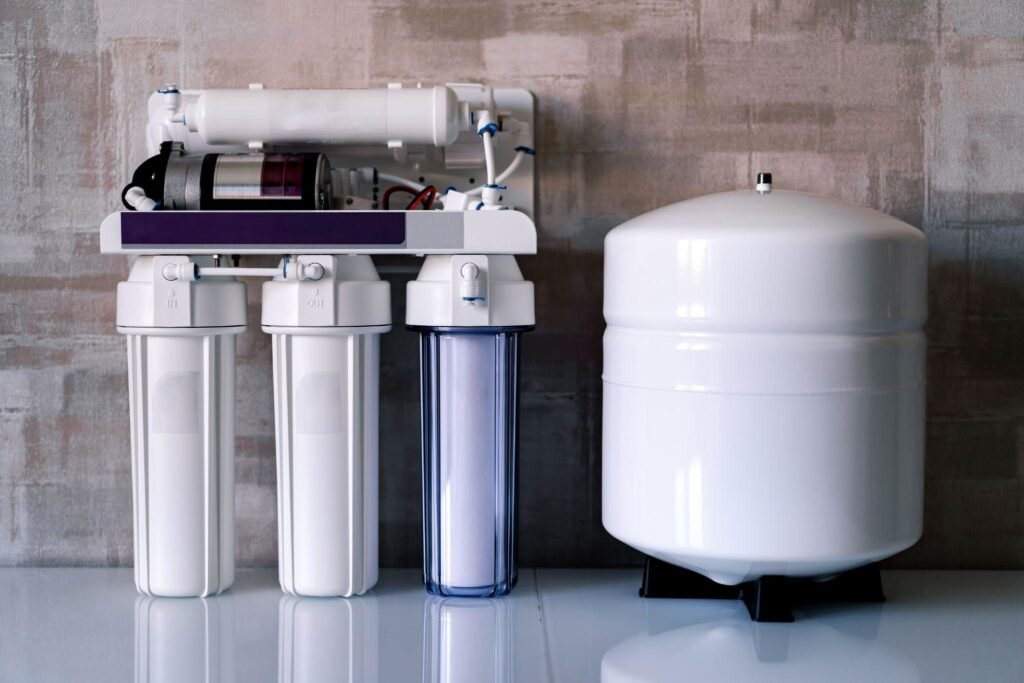
The working process of reverse osmosis involves multiple filtration stages to ensure maximum purification. Water first passes through a pre-filter stage that removes large particles such as dust, sand, and rust. After this, it moves through activated carbon filters that eliminate chlorine, odors, and organic impurities.
The main purification happens when water is pushed through the RO membrane. This membrane has extremely tiny pores that allow only pure water molecules to pass through while blocking dissolved salts, heavy metals like lead and arsenic, and other harmful substances.
Finally, the water goes through a post-filtration stage where taste and quality are further improved. Some systems also include UV or mineral cartridges to enhance safety and restore essential minerals.
Benefits of Reverse Osmosis Systems
One of the biggest advantages of reverse osmosis systems is their ability to provide highly purified drinking water. They remove up to 99% of contaminants, including bacteria, viruses, and chemical impurities, ensuring safe consumption.
These systems also improve the taste and odor of water by removing chlorine and other unwanted elements. This makes drinking water more refreshing and pleasant.
Another important benefit is health protection. By eliminating harmful substances such as lead, mercury, and nitrates, RO systems reduce the risk of waterborne diseases and long-term health issues.They are also widely used in areas where water quality is poor or highly contaminated, making them a reliable solution for safe hydration.
Applications of Reverse Osmosis Systems
Reverse osmosis technology is used in many different sectors due to its high efficiency. In residential homes, it provides clean drinking water for families and ensures safety in cooking and daily use.In commercial spaces such as offices, schools, and restaurants, RO systems help maintain hygiene standards and provide safe water for employees and customers.
In industries, these systems are essential for processes that require high-purity water, such as food and beverage production, pharmaceuticals, and electronics manufacturing. Even small impurities can affect product quality, so RO systems play a critical role in maintaining standards.
Maintenance and System Care
Regular maintenance is important to keep reverse osmosis systems working efficiently. Filters need to be replaced periodically because they collect impurities over time. If not replaced, the system may lose effectiveness and water quality may decline.
The RO membrane is the most important component and usually lasts longer, but it still requires proper care and occasional replacement depending on water quality and usage.
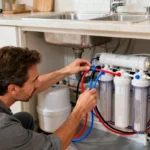
Routine servicing ensures that the system continues to produce clean and safe water without interruption. Many users prefer professional support for maintenance to avoid performance issues and extend system life.Reliable water purification services can help with installation, filter replacement, and regular system checks to ensure optimal performance.
Advantages Over Traditional Filtration Methods
Reverse osmosis systems are more advanced compared to basic filtration methods. While simple filters can remove visible particles and improve taste, they cannot eliminate dissolved salts or heavy metals.
RO systems go deeper by removing microscopic contaminants that are not visible but can still affect health. This makes them one of the most complete water purification solutions available today.
They are also more consistent in performance, providing stable water quality regardless of source variations.
Environmental Considerations
Although reverse osmosis systems are highly effective, they do produce some wastewater during the purification process. However, modern systems are designed to minimize waste and improve efficiency.
By reducing the need for bottled water, RO systems also help decrease plastic pollution. This contributes to environmental protection and promotes sustainable water usage practices.
Many modern systems are now designed with water-saving technologies that improve efficiency and reduce wastage.
Choosing the Right Reverse Osmosis System
Selecting the right RO system depends on several factors such as water quality, daily usage, and household or industrial needs. Areas with high levels of contamination may require advanced multi-stage systems, while simpler systems may be enough for moderately clean water sources.
Capacity is also important, as different systems are designed for different water consumption levels. Maintenance requirements and filter life should also be considered before making a decision.A proper water test is highly recommended before installation to ensure the system is suitable for local water conditions.
Conclusion
Reverse osmosis systems are one of the most reliable and effective solutions for ensuring clean and safe drinking water. They remove a wide range of contaminants, improve water taste, and protect human health from harmful impurities. Their wide usage in homes, businesses, and industries shows their importance in modern water treatment.
With proper maintenance and professional installation, these systems provide long-term performance and consistent water quality. Many people also rely on expert water purification services to ensure proper setup and servicing, which helps maximize efficiency and system lifespan.
In today’s world where water pollution is increasing, reverse osmosis systems play a vital role in delivering safe, pure, and healthy drinking water for everyone.