
Introduction to Modern Water Purification
Access to safe and clean drinking water is no longer something that can be taken for granted in many areas. Even when water appears clear, it can still contain dissolved salts, chemicals, bacteria, and heavy metals that affect health over time. This is why advanced filtration technologies have become an essential part of modern households and commercial spaces.
One of the most effective purification methods available today is reverse osmosis. It is widely used because it removes a large percentage of contaminants and significantly improves water quality. A properly planned and executed reverse osmosis system installation ensures that households receive consistent access to purified water that is safe for drinking and cooking. Understanding how this system works, how it is installed, and how it is maintained can help users get the maximum benefit from it.
Understanding How Reverse Osmosis Works
Reverse osmosis is a filtration process that uses a semi-permeable membrane to remove impurities from water. The system applies pressure to push water through multiple filtration stages, each designed to eliminate specific types of contaminants.
The first stage typically involves sediment filtration, which removes visible particles like dust, sand, and rust. After that, activated carbon filters help reduce chlorine, odor, and certain chemicals that affect taste and smell.
The most important stage is the RO membrane itself. This membrane has extremely small pores that allow only water molecules to pass through while blocking dissolved salts, heavy metals like lead and mercury, and other harmful substances. The result is clean and purified water that is stored in a tank for later use.
A final polishing filter may also be used to improve taste before water reaches the tap. This multi-stage process makes reverse osmosis one of the most reliable water purification technologies available today.
Why Clean Water Filtration Matters
Water quality directly affects human health, even if contamination levels are not immediately visible. Long-term exposure to impurities in drinking water can lead to digestive issues, kidney strain, and other health complications.
Many municipal water systems use chlorine and other disinfectants, which may leave behind chemical residues. Groundwater sources may also contain dissolved minerals or heavy metals depending on environmental conditions.
Installing a reliable filtration system ensures that these risks are minimized. It also improves taste and odor, making water more pleasant to drink. For households that rely heavily on tap water for cooking and hydration, a dependable purification system becomes essential rather than optional.
Key Components of a Reverse Osmosis System
A typical RO system consists of several important components that work together to purify water effectively.The sediment filter is responsible for removing larger particles that could damage internal components. The carbon filter helps improve taste and remove chlorine and organic chemicals.
The RO membrane is the core of the system, responsible for removing dissolved impurities at a microscopic level. It is the most sensitive and important part of the entire setup.A storage tank holds purified water so that it is available on demand. This ensures continuous supply even when filtration is not actively happening.
The post-filter provides final polishing to enhance taste and freshness. Finally, the faucet delivers purified water directly for everyday use.Each component plays a critical role in ensuring that the system performs efficiently and consistently over time.
Step-by-Step Installation Process
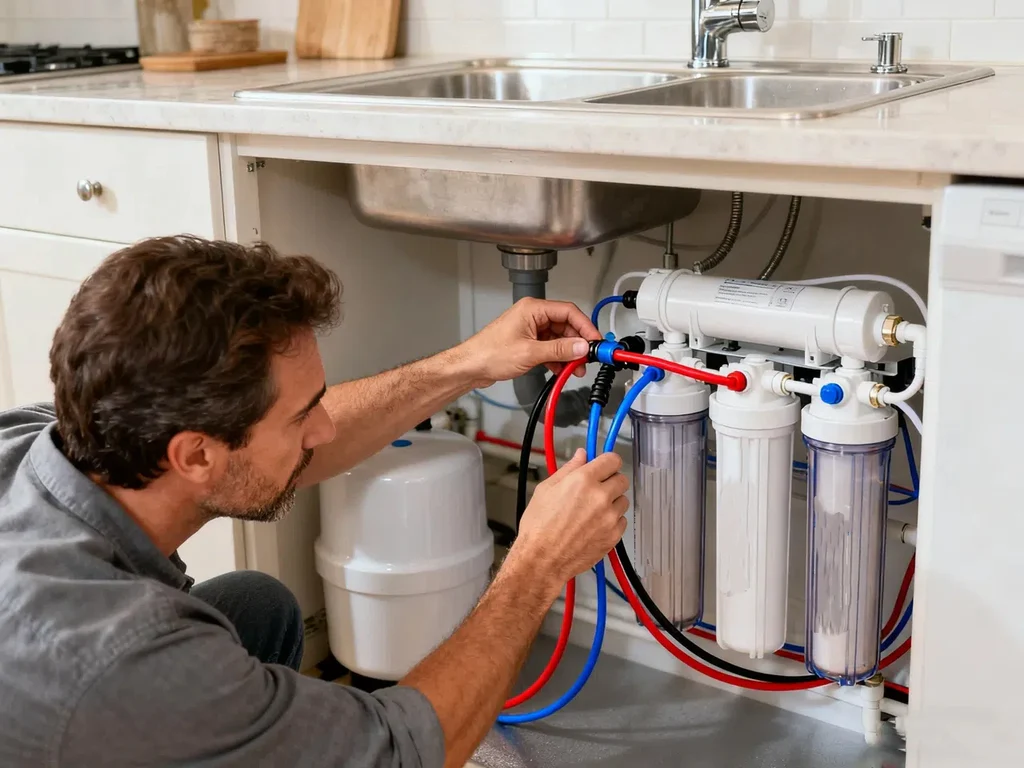
Proper installation is essential for ensuring long-term performance and reliability of the system. The process begins by selecting an appropriate location, usually under a kitchen sink, where water supply and drainage connections are easily accessible.
The water line is then connected to the system inlet, allowing untreated water to enter the filtration unit. A separate drain line is installed to carry away wastewater that contains removed impurities.Next, the storage tank is connected and positioned securely. Filters and the membrane are installed inside the main housing unit according to manufacturer guidelines.
Once all physical connections are complete, the system is flushed to remove air and any manufacturing residues. This step is important to ensure clean startup performance.Finally, the system is tested for leaks, pressure balance, and water flow consistency. A properly executed reverse osmosis system installation ensures that the unit operates efficiently from day one without performance issues or water leakage problems.
Common Installation Mistakes to Avoid
Even though RO systems are designed for relatively simple setup, installation errors can lead to performance issues. One common mistake is improper sealing of connections, which can result in leaks and water wastage.
Incorrect placement of the drain line can also cause contamination issues if wastewater flows back into the system. Using incorrect filter types or skipping pre-filters can damage the membrane and reduce system lifespan.
Low water pressure is another issue that can affect performance. In such cases, a booster pump may be required to ensure proper filtration efficiency.Avoiding these mistakes ensures smooth operation and reduces the need for frequent maintenance or repairs.
Maintenance and Long-Term Performance
Like any water filtration system, RO units require regular maintenance to ensure optimal performance. Filters need to be replaced periodically depending on water quality and usage levels.
Sediment and carbon filters generally require more frequent replacement compared to the RO membrane. The membrane itself has a longer lifespan but still needs eventual replacement to maintain effectiveness.
The storage tank should also be cleaned occasionally to prevent bacterial buildup. Regular inspection of pipes and connections helps prevent leaks and ensures consistent water flow.Proper maintenance not only improves water quality but also extends the overall lifespan of the system.
Benefits of Using Reverse Osmosis Technology
One of the biggest advantages of RO systems is their ability to remove a wide range of contaminants. This includes dissolved salts, heavy metals, chlorine, fluoride, and harmful microorganisms.Another benefit is improved taste and odor, making water more enjoyable to drink. This encourages better hydration habits, especially in households with children.
RO systems also reduce dependency on bottled water, which helps lower plastic waste and environmental impact. Over time, they can also be more cost-effective compared to continuous bottled water purchases.Additionally, modern systems are compact and designed for easy integration into kitchens without taking up much space.
Importance of Professional Installation
While some users attempt DIY setup, professional installation is often recommended for best results. Experts ensure that all connections are secure, pressure levels are balanced, and the system is operating efficiently.
They also perform detailed testing to confirm that water quality meets expected standards. Professional installers can identify potential issues early and prevent future complications.This ensures that the system delivers consistent performance and reduces the risk of leaks, contamination, or reduced filtration efficiency.
Choosing the Right System for Your Needs
Selecting the right RO system depends on household size, water usage, and existing water quality. Smaller households may require compact systems, while larger families may benefit from higher-capacity units.
Some systems include additional features such as UV sterilization or mineral enhancement, which can further improve water quality. It is important to evaluate filter quality, membrane efficiency, and maintenance requirements before making a decision.A well-chosen system ensures long-term satisfaction and reliable access to clean drinking water.
When System Issues Should Not Be Ignored
Even a well-installed RO system can develop issues over time. Slow water flow, unusual taste, or visible leaks are signs that maintenance is needed.
Ignoring these signs can lead to reduced water quality or complete system failure. Regular monitoring helps detect problems early and prevents costly repairs.
Timely filter replacement and system inspection ensure continuous performance and safety.
Conclusion
Clean water is essential for health, cooking, and daily living. Reverse osmosis technology provides one of the most effective solutions for removing contaminants and improving water quality in modern households.
From understanding how the system works to ensuring proper setup and maintenance, every step plays an important role in performance and longevity. A properly managed reverse osmosis system installation ensures consistent access to safe drinking water while reducing health risks associated with contaminated sources.
With regular care, correct usage, and timely maintenance, RO systems can provide long-lasting performance and become a valuable part of any home’s water supply system.