
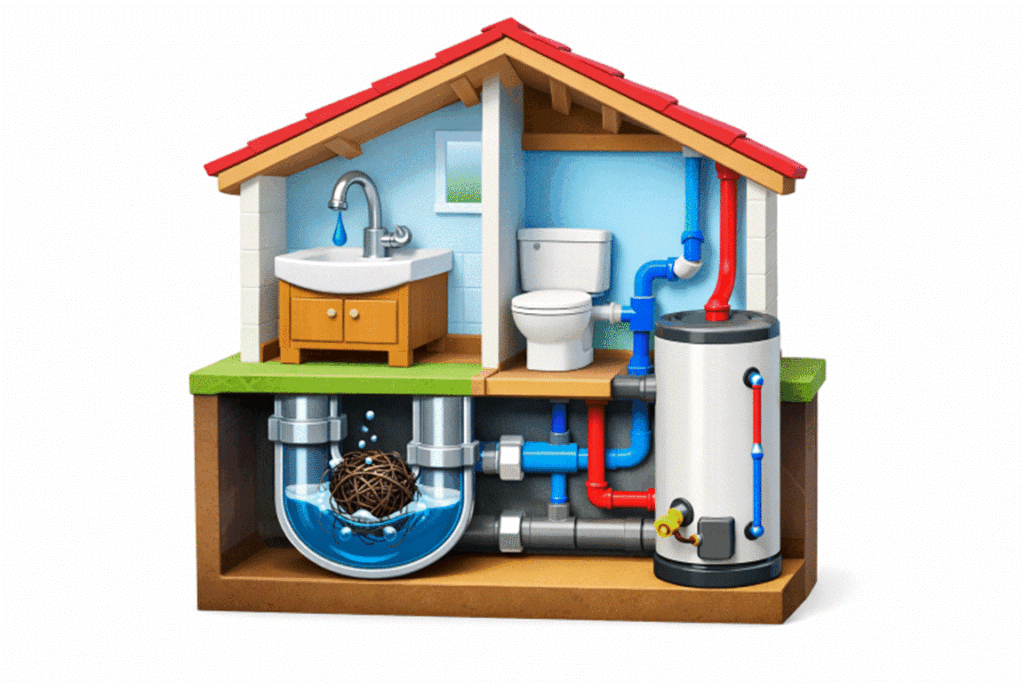

Maintaining a healthy plumbing system is essential for a comfortable and functional home. Plumbing problems can cause inconvenience and costly repairs, but with the right knowledge and preventive steps, many issues can be avoided. If you want to proactively care for your home’s water quality, you can also consider working with whole home water filtration installers in Utah to ensure pure and safe water throughout your house.
By recognizing frequent problems early and learning how to handle them, you can save time, money, and stress while ensuring your plumbing runs smoothly year-round. This guide covers practical strategies for dealing with leaky fixtures, drain blockages, low water pressure, and other common challenges.
Leaky Faucets and Pipes
Leaky faucets and pipes are among the most common plumbing issues. Even a small drip can waste up to 3,000 gallons of water a year and increase your utility bill. Look for water stains on cabinets, under sinks, or areas that feel damp. Replacing worn washers or seals is often an easy fix. Ignoring leaks can lead to rust, mold, and water damage, so regular inspection and timely repair are key to preventing more severe issues.
Clogged Drains
Drain clogs commonly result from pouring grease, coffee grounds, and food scraps down the kitchen sink, or hair and soap scum in bathroom drains. To prevent clogs, use drain covers to catch hair and debris, and clean them frequently. Flush drains with a mixture of baking soda and vinegar, followed by hot water for a natural remedy. Avoid dumping boiling water into pipes during cold months, as rapid temperature change can crack them. If home remedies do not work, persistent clogs may require a plumber’s help.
Running Toilets
When a toilet runs continuously, it can waste up to 200 gallons of water per day. Usually, this is caused by a faulty flapper that fails to create a tight seal. A simple way to check is to add food coloring to the tank and see if the color appears in the bowl without flushing. If so, replacing the flapper should solve the problem. Regularly inspecting toilet components can prevent leaks and save significantly on your water bill.
Low Water Pressure
Low water pressure often results from leaks, pipe corrosion, or mineral buildup. Check for obvious leaks and ensure that shut-off valves are fully open. Removing and cleaning faucet aerators can clear out mineral deposits and improve pressure. If the problem affects the entire house, it may indicate issues with your municipal water supply or aging pipes, which require professional diagnosis.
Water Heater Issues
Your water heater needs regular attention to operate efficiently and safely. Sediment and scale can reduce heating efficiency, causing higher bills and lukewarm water. Drain and flush your tank at least once a year to remove sediment. Inspect the anode rod every two to three years and replace it if it has corroded significantly. Scheduling annual professional maintenance can extend the lifespan of your unit and prevent unexpected breakdowns.
Frozen Pipes
Frozen pipes threaten homes in cold climates, leading to bursts and costly repairs. Insulate exposed pipes in unheated spaces such as basements and attics. During hard freezes, keep your thermostat set to at least 50°F and let faucets drip slightly to keep water moving. If you suspect pipes are frozen, heat them slowly with a hairdryer. Never use open flames. The American Red Cross offers more detailed guidelines for protecting your plumbing in winter on its website: Red Cross: Preventing and Thawing Frozen Pipes.
Garbage Disposal Misuse
A garbage disposal is not designed for all types of waste. Avoid placing bones, fibrous vegetables like celery, or grease in the unit, as these can cause jams and blockages. Always run cold water before, during, and after use to help solidify and flush away waste. Regularly cleaning the disposal and using it as intended will keep it working efficiently and prevent odors and malfunctions.
Sump Pump Failure
Sump pumps play an essential role in preventing basement flooding. Test your pump by pouring water into the pit to see if it turns on and drains properly. Clean the pit and pump periodically to remove debris. Install a battery backup system to ensure your sump pump works during power outages, especially during heavy rains or rapid snowmelt.
To keep your home’s plumbing reliable, make regular inspections and promptly address minor issues before they become major repairs. Proper use and ongoing maintenance are vital steps in ensuring the long-term health of your plumbing and the comfort of your family.