
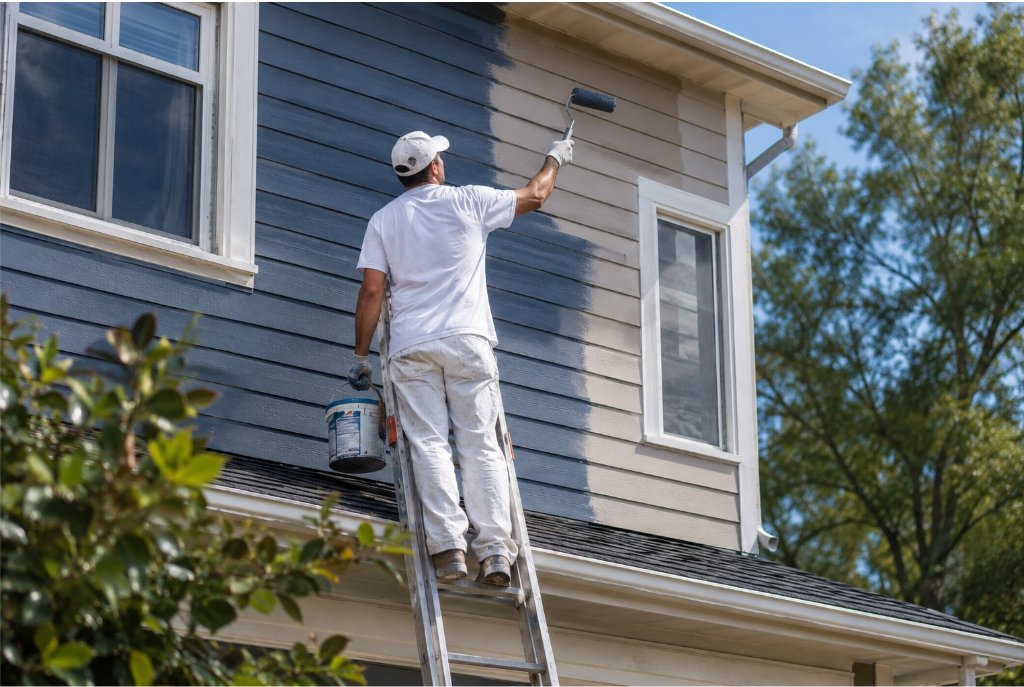

Colorado homes deal with plenty of changing weather throughout the year. Strong sunlight, snow, rain, wind, and temperature changes can gradually affect siding, trim, doors, and other exterior surfaces. A quality paint job can improve the appearance of your home while adding a protective layer to exposed materials.
Professional exterior painting requires more than choosing a color and applying paint. Proper preparation, suitable products, careful application, and attention to weather conditions all influence the final result. I PAINT STUFF helps Colorado homeowners maintain and refresh their properties with professional painting services designed around the condition of each home.
Why Exterior Painting Matters for Colorado Homes
Exterior paint serves two important purposes. It improves curb appeal and helps protect exposed surfaces from the elements.
When exterior paint begins to deteriorate, surfaces can become more vulnerable to moisture and weather damage. Peeling, cracking, and exposed wood can create larger maintenance problems if homeowners leave them untreated.
A fresh coat of quality exterior paint can help seal suitable surfaces and give your home a cleaner appearance. It can also provide an opportunity to identify areas that need repairs before they become more expensive problems.
For Colorado homeowners, maintaining exterior surfaces is particularly important because seasonal weather can place repeated stress on painted materials.
How Colorado Weather Affects Exterior Surfaces
Colorado weather can change quickly. A home’s exterior may experience intense sunlight, freezing temperatures, snow, rain, and dry conditions during different parts of the year.
Sun exposure can gradually fade paint. Moisture can contribute to peeling and surface deterioration. Repeated expansion and contraction caused by temperature changes can also affect certain materials and existing coatings.
These conditions make surface preparation and paint selection important parts of an exterior painting project.
Professional painters consider the condition of the existing surface before applying new paint. This helps determine whether cleaning, scraping, sanding, caulking, priming, or repairs are necessary.
Signs Your Home Needs Exterior Painting
Your home may be ready for a new paint job if you notice several visible changes.
Common signs include:
- Peeling or flaking paint
- Cracks around exterior surfaces
- Faded or uneven color
- Exposed wood
- Chipping around doors and windows
- Areas with worn or damaged caulking
- Stains or discoloration
- An overall tired or neglected appearance
You do not always need to wait until paint is severely damaged. Repainting before problems become extensive can make preparation easier and help maintain the condition of exterior surfaces.
If you notice several of these signs, an inspection can help determine whether your home needs a complete repaint or targeted maintenance.
How I PAINT STUFF Prepares Exterior Surfaces
Preparation plays a major role in the quality of an exterior painting project. Paint applied over dirt, loose coatings, or damaged surfaces may not adhere properly.
I PAINT STUFF approaches preparation based on the condition and material of the home. Depending on the project, preparation may include cleaning exterior surfaces, removing loose paint, sanding rough areas, filling cracks, caulking gaps, and priming specific sections.
This step can take considerable time, but it helps create a more suitable surface for the new coating.
Preparation also allows painters to identify problems that may otherwise remain hidden under fresh paint. Addressing these issues before painting can help produce a cleaner and more consistent finish.
Choosing the Right Exterior Paint and Finish
The right paint depends on the surface, existing coating, exposure, and desired appearance.
Exterior paints are designed to handle outdoor conditions. Different products can have different levels of durability, coverage, and resistance to weather exposure.
Color selection also deserves attention. Darker colors may absorb more heat and can have different maintenance considerations depending on the material. Lighter colors can create a bright appearance and may be suitable for homeowners looking for a more traditional exterior.
The finish can affect the final appearance as well. A professional painter can help you compare options and choose a product that fits the needs of your home.
How Professional Painting Helps Protect Your Home
A properly applied exterior coating creates a protective barrier over suitable surfaces. It can help reduce direct exposure to sunlight and moisture while improving the appearance of the property.
However, paint works best when the underlying surface is in suitable condition. Painting over damaged wood, significant cracks, or unresolved moisture problems does not solve the underlying issue.
That is why professional exterior home painting should include an assessment of the surface before painting begins.
With the right preparation and application, a new coating can help maintain exterior materials and reduce the effects of everyday weather exposure.
Common Exterior Painting Problems to Avoid
Several mistakes can reduce the lifespan and appearance of an exterior paint job.
One common problem is skipping preparation. Applying new paint directly over peeling or dirty surfaces can lead to poor adhesion.
Another issue is painting during unsuitable weather. Excessive moisture, rain, or extreme temperatures can affect how paint applies and cures.
Using the wrong product can also create problems. Interior paint, for example, is not designed for the same outdoor conditions as exterior coatings.
Homeowners should also avoid treating paint as a replacement for necessary repairs. Damaged siding, rotten wood, or moisture problems should be addressed before painting whenever necessary.
What to Expect From I PAINT STUFF
I PAINT STUFF focuses on helping homeowners improve and maintain their properties through professional painting services.
An exterior project typically begins with an assessment of the surfaces that need attention. The team can then determine what preparation is required before painting.
The project may include surface cleaning, preparation, repairs where appropriate, priming, paint application, detail work, and cleanup.
Clear communication also matters. Homeowners should understand which areas will be painted, what preparation is included, which products will be used, and what results they can reasonably expect.
For Colorado homeowners searching for reliable exterior painters, working with an experienced local painting company can make the process more organized.
How to Prepare Your Home for Exterior Painting
You can take several simple steps before the painting crew arrives.
Move outdoor furniture, decorations, planters, and other removable items away from the areas being painted. Keep driveways and walkways accessible when possible.
You should also inform the painting team about any known issues with the exterior. Mention areas with previous water damage, peeling paint, repairs, or surfaces that require special attention.
If you are changing the color, decide on your preferred options before work begins. Looking at paint samples outside your home can help because natural light changes how colors appear throughout the day.
Good preparation from the homeowner can help the project run more efficiently.
Final Thoughts
Exterior paint plays an important role in maintaining the appearance and condition of a Colorado home. However, the quality of the result depends on more than the paint itself.
Proper preparation, suitable products, good application techniques, and appropriate weather conditions all contribute to a successful project.
I PAINT STUFF helps Colorado homeowners address these factors when planning an exterior painting project. Whether your home has faded paint, peeling areas, or simply needs a new look, professional painting can give the exterior a cleaner appearance while helping protect suitable surfaces from everyday exposure.
If you are considering exterior painting in Colorado, start by evaluating the current condition of your home’s exterior. Identifying problems early can help you plan the right preparation and avoid unnecessary complications during the project.
FAQs
How often should a Colorado home be painted?
Most homes need exterior painting every 5 to 10 years, depending on the paint, surface, and weather exposure.
What weather conditions affect exterior painting?
Rain, high humidity, extreme temperatures, and strong direct sunlight can affect paint application and drying.
Why is exterior surface preparation important?
Proper preparation removes dirt, loose paint, and surface imperfections so the new coating can adhere properly.
Can I PAINT STUFF paint different exterior surfaces?
Yes. I PAINT STUFF provides exterior painting for various residential surfaces, depending on their condition and material.
How can exterior paint protect my home?
A properly applied exterior coating can help shield suitable surfaces from moisture, sunlight, and everyday weather exposure.