

Facial skin tightening is not a one-size-fits-all decision. The best skin tightening treatment for one person may not be appropriate for someone with a different degree of laxity, skin texture concern, medical history, or tolerance for downtime. A good starting point is to identify the change you actually want to see. A sharper jawline, smoother fine lines, less crepiness on the neck, and restored cheek volume may all be described as “tightening,” but they often require different approaches. Understanding those distinctions can help you set realistic expectations before booking a procedure.
Why Facial Skin Becomes Less Firm
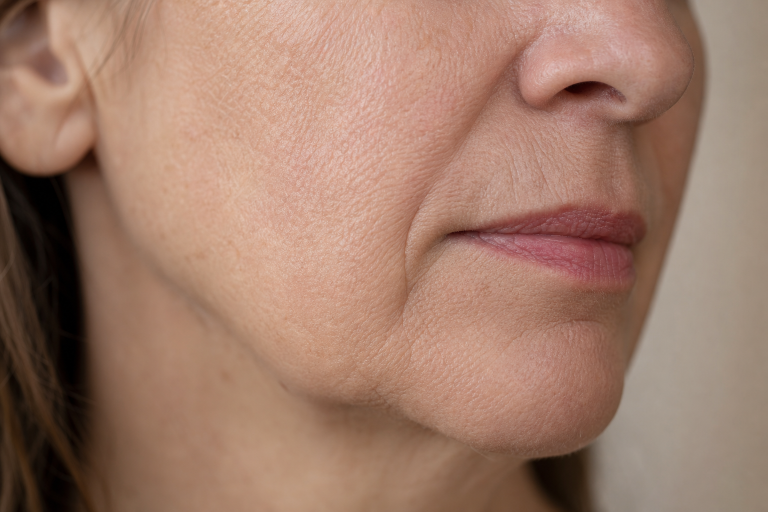
Over time, the face changes in several ways at once. Collagen and elastin production decline, skin may become thinner, and fat pads that once supported the cheeks can shift or diminish. Sun exposure, smoking, genetics, repeated facial movements, significant weight changes, and general health can also influence how quickly these changes become visible. It is important to separate loose skin from other concerns. Fine lines may be largely surface-level, deeper wrinkles may be related to repeated muscle movement, and hollow cheeks may reflect volume loss rather than laxity. A treatment that improves texture may not lift descended tissue, while a treatment that restores volume may not improve roughness or pigmentation.
Start With a Clear Treatment Goal
Before comparing devices or procedures, describe your concern in plain language. For example, you may want mild firming along the jawline, a smoother texture around the mouth, a less crepey neck, or more support in the mid-face. Defining the goal makes it easier to judge whether a proposed treatment is a sensible match.
Common Goals to Consider
- Improve mild laxity around the jawline or lower face.
- Reduce a crepey appearance on the neck.
- Soften fine lines and improve uneven texture.
- Address volume loss that contributes to a tired or hollow appearance.
- Refresh the skin with little interruption to work or social plans.
Someone whose main concern is rough texture may benefit from a resurfacing-focused plan. Someone with mild laxity may be a candidate for an energy-based treatment. Noticeable jowling or substantial tissue descent may warrant a discussion of more invasive options rather than repeated low-downtime procedures.
Main Types of Facial Skin Tightening Treatments
Radiofrequency Treatments
Radiofrequency treatments use controlled heat to encourage collagen remodeling in selected tissue layers. The device, energy level, treatment depth, number of passes, and provider technique can all affect comfort and results. These treatments are often considered for mild laxity and gradual improvement rather than a dramatic lift.
Radiofrequency Microneedling
Radiofrequency microneedling combines tiny needles with energy delivered beneath the skin’s surface. It may be considered when texture, fine lines, acne scarring, and mild laxity overlap. Topical numbing is often used, and temporary redness, swelling, sensitivity, or pinpoint bleeding can occur. Results generally develop over weeks as the skin heals and remodels.
Laser and Plasma-Based Treatments
Laser and plasma treatments can target the skin surface, deeper layers, or both, depending on the technology and settings. They may help with texture, uneven tone, fine lines, and selected firmness concerns. Downtime varies widely. Medical lasers require appropriate safety practices because high-powered devices can pose significant skin and eye hazards if used improperly. Learn more from the FDA’s overview of laser products and instruments.
Focused Ultrasound
Focused ultrasound targets selected depths below the skin without making incisions. It is often discussed for gradual lifting and tightening goals in the brow, lower face, jawline, or neck. Treatment sensation can range from warmth to brief discomfort, and improvement may take several months to become fully apparent.
Minimally Invasive Procedures and Injectables
Some minimally invasive treatments use small entry points, internal energy delivery, or support techniques to create more visible contour change. They may involve greater aftercare and risk than surface-based procedures. Injectables can also play a role, but they are not interchangeable with tightening treatments. Neuromodulators address targeted muscle movement, fillers replace volume, and collagen-stimulating products may support gradual improvement in selected areas.
Professional Facials and Home Devices
Facials, exfoliation, hydration treatments, light-based services, and home devices may improve temporary radiance or surface smoothness. They generally cannot create the same structural change as a medical procedure. Be especially cautious with aggressive DIY treatments and devices purchased from unverified sellers.
How to Compare Your Options
Rather than searching for a universal winner, compare treatments using the same practical criteria:
- Target area: Is the concern on the cheeks, jawline, under-chin area, neck, or full face?
- Primary issue: Is it laxity, texture, pigmentation, wrinkles, or volume loss?
- Invasiveness: Are you comfortable with noninvasive care only, or open to a minimally invasive or surgical procedure?
- Downtime: Can you manage redness for a day, peeling for a week, or a longer recovery period?
- Result pattern: Do you expect a short-term glow, gradual collagen remodeling, or a substantial structural change?
- Maintenance: Will results require a series of treatments or periodic touch-ups?
- Provider experience: Does the clinician have training with the technology and experience treating your skin type?
When to Expect Results
“No downtime” does not mean instant final results. Some treatments create a short-term tightening effect from temporary swelling or tissue contraction, while collagen remodeling can take weeks or months. A treatment plan may involve one session or a series, depending on the technology and the degree of change desired. Take progress photos under similar lighting, at similar angles, and with similar facial expressions. Be cautious with marketing terms such as “non-surgical facelift.” These phrases can describe procedures with very different capabilities. Ask what the treatment can realistically improve, not just what it is called.
Safety and Provider Questions
A qualified medical evaluation matters. Active skin conditions, medications, healing history, implants, pregnancy status, prior procedures, and skin tone can affect which options are appropriate. Ask who will perform the treatment, what side effects are common, what complications are possible, and what follow-up care is included. Also ask whether the recommended device is intended for the proposed use, how many sessions may be needed, and what happens if the outcome is uneven or disappointing. Seek prompt medical advice after a procedure for unusual pain, blistering, spreading redness, severe swelling, or other unexpected symptoms.
Daily Habits That Support Firmer-Looking Skin
Procedures work best alongside consistent skin care and realistic lifestyle habits. Use broad-spectrum sunscreen, cleanse gently, moisturize according to your skin type, avoid smoking, and try to maintain stable nutrition and weight when possible. The American Academy of Dermatology also notes that retinoids, including retinol, may help with mild fine lines, texture, and uneven skin tone. However, they are not right for every skin type. R
What to Ask During a Consultation
Bring a clear description of your concern, a list of medications and skin-care products, and details about past procedures. Ask to see realistic before-and-after examples involving similar concerns and skin characteristics. Review the full cost, recovery expectations, maintenance needs, and whether a combination plan is genuinely necessary. The right decision balances expected benefit with invasiveness, risk, cost, comfort, and recovery time. Taking time to compare those factors can help you choose a facial skin tightening plan based on your goals, not the newest device or the loudest promise.
Conclusion
Choosing a facial skin-tightening treatment starts with understanding what your skin actually needs, rather than searching for a single “best” option. Factors such as the degree of laxity, skin texture concerns, desired results, downtime, budget, and overall skin health all play a role in finding the right approach. Noninvasive treatments may support gradual improvements, while more advanced procedures may be better suited for more noticeable changes. A consultation with a qualified provider can help you understand realistic outcomes, potential risks, and whether a treatment matches your goals. By combining professional guidance with consistent daily skin care habits, you can make a more informed decision and create a plan that supports healthier, firmer-looking skin over time.