
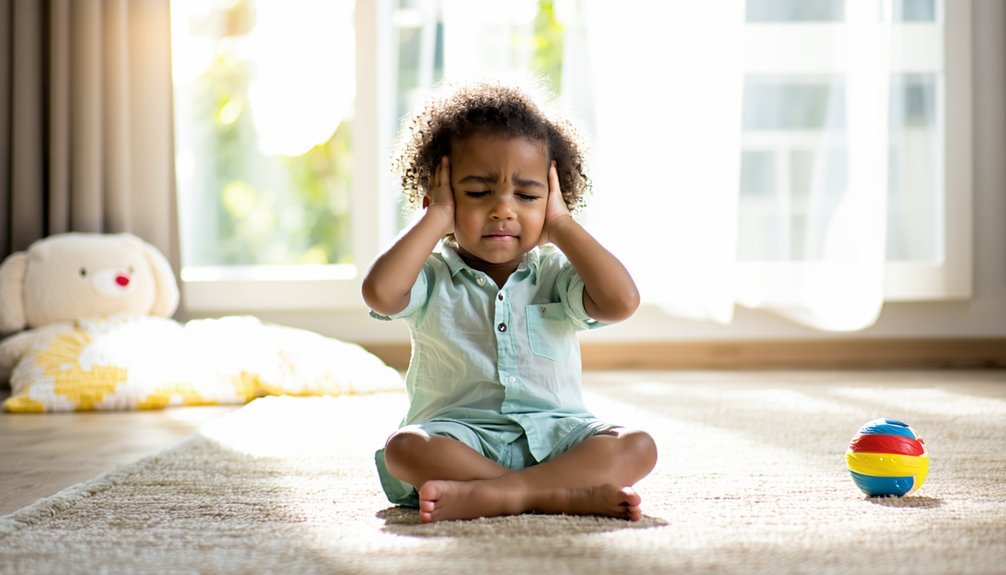

Building a strong emotional connection with a child is one of the most important aspects of parenting. However, parents of children with Autism Spectrum Disorder may sometimes find it challenging to develop emotional attachment in traditional ways. Children on the autism spectrum often communicate, express emotions, and interact socially in unique ways, which can create misunderstandings or emotional distance within families.
Despite these challenges, strong parent-child attachment is absolutely possible. With patience, understanding, and the right therapeutic support, parents can build loving, trusting, and meaningful relationships with their children. Approaches such as attachment-based psychotherapy and autism occupational therapy treatment can play a major role in strengthening these bonds.
Understanding Attachment in Children with Autism
Attachment refers to the emotional bond between a child and their caregiver. In many children with autism, communication difficulties, sensory sensitivities, or repetitive behaviors may affect how they express affection or respond emotionally.
For example, some children may avoid eye contact, dislike physical touch, or struggle to express feelings verbally. This does not mean they do not love or need their parents—it simply means they may communicate attachment differently.
Understanding this difference is the first step toward developing a healthier and more supportive relationship.
Spending Quality Time Together
One of the best ways parents can strengthen attachment is by spending meaningful, pressure-free time with their child. Instead of forcing interactions, parents should engage in activities their child genuinely enjoys.
This could include:
- Playing games together
- Drawing or doing crafts
- Listening to music
- Reading books
- Participating in sensory-friendly activities
When parents enter the child’s world and show interest in their preferences, the child often feels safer and more connected emotionally.
Practicing Patience and Consistency
Children with autism often thrive on routine and predictability. Sudden changes or emotional pressure may increase anxiety and behavioral challenges.
Parents can strengthen attachment by being patient, calm, and consistent in their interactions. Simple routines such as bedtime stories, regular family meals, or daily walks can help children feel secure and emotionally supported.
Consistency also builds trust, which is an essential part of emotional attachment.
Improving Communication
Communication challenges are common in autism, but parents can still build strong connections by adapting their communication style.
Using clear language, visual supports, gestures, or alternative communication methods can help children express themselves more comfortably. Parents should also pay close attention to nonverbal cues such as facial expressions, behaviors, and body language.
Celebrating small communication efforts encourages children to interact more confidently and strengthens emotional bonding.
Managing Emotional Stress in Parents
Parenting a child with autism can sometimes feel emotionally overwhelming. Stress, exhaustion, or frustration may unintentionally affect the parent-child relationship.
Seeking emotional support through counselling or support groups can help parents manage these feelings in healthier ways. When parents feel emotionally balanced, they are better able to respond to their child with patience and empathy.
How Attachment-Based Psychotherapy Helps
Attachment-Based Psychotherapy focuses on strengthening the emotional bond between parents and children. This therapy helps families understand emotional needs, improve communication, and create healthier interaction patterns.
For children with autism, attachment-based psychotherapy can be especially beneficial because it encourages emotional safety and trust. Therapists guide parents in understanding their child’s unique behaviours and emotional responses rather than viewing them as rejection or disinterest.
The therapy may involve:
- Joint parent-child sessions
- Guided emotional interactions
- Techniques for improving responsiveness
- Strategies for building trust and emotional regulation
Over time, parents learn how to respond more effectively to their child’s needs, while children become more comfortable expressing emotions and seeking connection.
Building Emotional Security Through Therapy
Attachment-based psychotherapy also helps children feel emotionally secure. Many children with autism experience anxiety or sensory overwhelm, which can affect their relationships.
By creating safe and supportive interactions, therapy teaches children that their emotions are understood and accepted. This emotional security often improves behavior, reduces stress, and strengthens family relationships.
The Importance of Autism Occupational Therapy Treatment
Another essential support system for children with autism is Occupational Therapy. Occupational therapy focuses on helping children develop everyday skills needed for independence and emotional regulation.
Children with autism may struggle with sensory sensitivities, motor coordination, or daily routines such as dressing, eating, or social participation. Occupational therapists use structured activities to improve these abilities while also helping children feel more comfortable in their environment.
This therapy is important because reduced stress and improved sensory regulation often lead to better emotional interactions with parents and family members.
How Occupational Therapy Supports Parent-Child Relationships
Occupational therapy often involves parents in the treatment process, teaching them strategies they can use at home. These may include sensory activities, calming techniques, and communication exercises.
When parents understand how to support their child’s sensory and emotional needs, everyday interactions become less stressful and more positive. This creates more opportunities for bonding and emotional connection.
Encouraging Long-Term Growth and Connection
Building attachment with a child suffering from autism is a gradual process that requires understanding, patience, and consistent support. Every small moment of trust, communication, and shared joy contributes to a stronger relationship over time.
With the help of attachment-based psychotherapy and occupational therapy, families can create healthier emotional connections and improve the child’s overall well-being.
Conclusion
Developing a better attachment with a child suffering from Autism Spectrum Disorder may come with challenges, but it is entirely achievable with the right approach. Parents who focus on patience, communication, emotional understanding, and quality time can build deep and meaningful bonds with their children.
At the same time, attachment-based psychotherapy and autism occupational therapy treatment provide valuable tools that strengthen emotional security, improve communication, and support healthy development. Together, these approaches help families create more loving, trusting, and fulfilling relationships.