
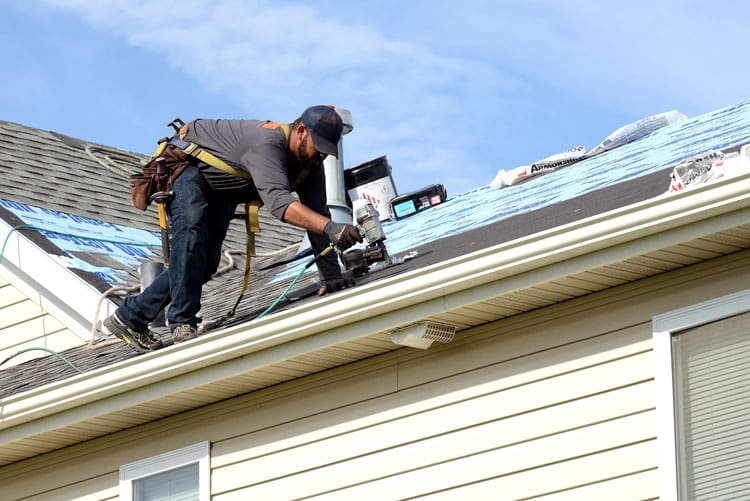

Finding a roofing company is easy when plenty of contractors are advertising their services, but identifying one that will protect your home, communicate honestly, and stand behind its work requires more careful attention. A roof is a major part of the building envelope, so a poor installation can lead to leaks, damaged insulation, mold concerns, structural deterioration, and repeated repair expenses.
Property owners in Marble Falls also have to think about the demands that Central Texas weather can place on roofing materials. Heat, strong sunlight, wind, hail, heavy rain, and sudden storms can expose weak installation practices quickly, which makes contractor selection just as important as the roofing product itself.
Start by Defining the Roofing Work You Need
Begin by determining whether you need a minor repair, a complete replacement, a storm-damage inspection, or help locating the source of an ongoing leak. Roofing companies may offer several of these services, but their experience can vary considerably from one type of project to another.
A contractor who primarily installs asphalt shingles may not be the ideal choice for a standing-seam metal roof, flat commercial system, tile roof, or specialty historical material. Ask whether the company regularly works on your type of building and roofing system rather than assuming that every roofer handles every project equally well.
You do not need to diagnose the problem yourself before calling. A quality roofer should inspect the roof, explain what was found, and help you understand whether a focused repair or complete replacement is the more reasonable choice.
Local Experience Matters in Marble Falls
A roofing company familiar with Marble Falls and the surrounding Highland Lakes area should understand the weather, common building styles, local permitting process, and practical challenges of working in the region. That local knowledge can influence material recommendations, ventilation planning, flashing details, and project scheduling.
Local experience is especially useful after a major storm, when unfamiliar contractors may enter the area looking for quick work. Some traveling crews perform legitimate services, but property owners should still consider who will be available if a leak, warranty concern, or installation problem appears several months later.
Ask how long the company has worked in the area and whether it has completed nearby projects that are similar to yours. A local mailing address alone does not prove experience, so look for a documented history rather than relying on a newly created advertisement.
Does the Company Carry Proper Insurance?
A roofing contractor should be able to provide current proof of general liability insurance and workers’ compensation coverage, where applicable. Liability insurance may help address property damage caused during the job, while workers’ compensation concerns injuries involving the contractor’s employees.
Request insurance certificates directly and examine the names, effective dates, and coverage details. A certificate should identify the company you are actually hiring rather than a different business, subcontractor, or unrelated individual.
You may also contact the insurance agency listed on the certificate to confirm that the policy remains active. This extra step takes little time compared with the financial complications that can develop when an uninsured crew damages the property or someone is injured.
Confirm Local Registration and Permit Responsibilities
A responsible roofer should understand the permits and inspections required for work within Marble Falls. The city lists roofing and reroofing among its permitted residential projects, while its online permitting system also supports contractor registration, permit applications, and inspection requests.
Ask whether the contractor will obtain the permit or expects you to handle it. The answer should also appear in the written agreement, along with any permit fees and inspection responsibilities.
Be cautious when a roofer encourages you to avoid a required permit to save time or money. Permitting does not guarantee perfect workmanship, but avoiding local requirements can create problems during inspections, insurance claims, future repairs, or a property sale.
Look for a Stable Business History
A roofing warranty has limited value when the contractor disappears shortly after the project. Look for a company with a verifiable business name, physical location, working telephone number, professional email address, and consistent history.
Search for information across several sources rather than depending on the company’s website alone. Business directories, local references, review platforms, court records, and consumer complaint resources may help reveal whether the operation has changed names repeatedly or left unresolved problems behind.
A newer roofing company is not automatically unreliable. However, when a business has a short history, you may want stronger documentation regarding the owner’s experience, insurance, crew qualifications, and warranty support.
Read Reviews for Patterns, Not Perfection
Online reviews can offer useful information about punctuality, cleanup, communication, billing, and the way a company responds when something goes wrong. They are most valuable when several customers describe the same strength or weakness.
A perfect rating should not be your only goal because even a strong contractor may receive an occasional complaint. Pay attention to whether the company responds professionally, takes responsibility when appropriate, and tries to resolve legitimate concerns.
Recent reviews deserve particular attention because staffing, ownership, and service quality can change. A roofing company that earned an excellent reputation several years ago may operate differently today, while a previously inconsistent business may have improved.
Ask for Local References
Request references from customers who completed similar roofing projects in or near Marble Falls. A company should be able to provide examples involving the same roofing material, approximate property size, or type of work you are considering.
When contacting a reference, ask whether the project stayed close to the proposed schedule and price. You can also ask how the crew protected landscaping, handled debris, communicated changes, and responded to any concerns after the final payment.
Photographs are helpful, but they cannot reveal everything about installation quality. When possible, ask whether you may view a completed roof from the street, particularly if you are considering visible details such as metal panels, valleys, ridges, flashing, or color transitions.
A Thorough Roof Inspection Comes Before the Estimate
A reliable estimate should be based on a meaningful inspection rather than a brief glance from the driveway. The contractor may need to examine shingles or panels, flashing, penetrations, drainage areas, roof decking, attic ventilation, and visible signs of water intrusion.
Measurements can sometimes be obtained through aerial tools, although technology should not replace an on-site evaluation when the roof has a leak or suspected structural damage. The contractor needs enough information to identify problems that may affect the scope of work.
Ask the roofer to show you photographs of damaged areas and explain why each repair is recommended. Clear evidence makes it easier to compare estimates and reduces the chance that you will approve work based on vague warnings.
How Detailed Is the Written Estimate?
A roofing estimate should describe more than the total price. It should identify the roofing material, manufacturer, product line, color, underlayment, flashing, ventilation components, fasteners, disposal method, and other major parts of the system.
The document should also explain whether the price includes removal of the existing roof, replacement of damaged decking, permit fees, cleanup, and protection of the property. Allowances for unknown wood damage should state how additional charges will be calculated.
Comparing written scopes is more useful than comparing totals alone. One company may appear cheaper because its proposal excludes important components that another contractor has already included.
Compare Roofing Systems, Not Just Shingle Brands
A roof is a connected system rather than a single exterior material. Shingles or metal panels receive most of the attention, but underlayment, starter courses, flashing, drip edges, valleys, vents, fasteners, and installation techniques all affect performance.
Ask why the contractor recommends a particular system for your property. The explanation should consider roof slope, sun exposure, existing ventilation, surrounding trees, architecture, budget, and expected time in the building.
Texas roofs can face strong wind and hail, so material durability may deserve greater weight than the lowest purchase price. The Texas Department of Insurance recommends discussing products designed and tested for wind and impact resistance when selecting roofing materials.
Understand Who Will Perform the Work
The salesperson who inspects your roof may not supervise the installation, which makes it important to ask who will manage the project each day. You should know whether the crew consists of company employees, regular subcontractors, or workers assembled specifically for your job.
Subcontracting is common in roofing and does not automatically indicate lower quality. The important questions involve supervision, training, insurance, accountability, and whether the same standards apply to everyone on the property.
Ask for the name and contact information of the project manager before work begins. Having one reliable point of contact makes it easier to discuss scheduling, material deliveries, unexpected damage, and final inspection concerns.
Communication Should Be Clear From the Beginning
Notice how the company communicates before you sign a contract. Calls should be returned, appointments should be confirmed, and questions should receive direct answers rather than evasive sales language.
A dependable roofer should explain the expected schedule while acknowledging that weather and hidden damage may cause changes. Unrealistic promises are less useful than an honest timeline supported by regular updates.
You should also understand what preparations are expected from you. Moving vehicles, protecting attic belongings, securing pets, and informing neighbors may help the project proceed more smoothly.
Be Careful After Hail and Windstorms
Storm damage can create urgency, but you should still take time to evaluate the contractor. High-pressure representatives may insist that you sign immediately, claim that an offer expires that day, or describe an inspection authorization as harmless paperwork.
Read every document before signing because an agreement presented as permission to inspect may contain contractual obligations. The Texas Department of Insurance specifically warns consumers about contractors who try to obtain signatures before providing a clear repair agreement.
Avoid paying a large amount in cash to someone who appeared unexpectedly after a storm. A reputable company should provide verifiable information, a written scope, and enough time for you to review the terms.
Insurance Claims Require Clear Boundaries
A roofer can inspect damage, prepare an estimate, and discuss construction costs, but the contractor should not misrepresent its role in your insurance claim. Texas prohibits a contractor from acting as a public insurance adjuster on a claim when that contractor is also performing the repair work.
Speak directly with your insurance company about coverage, deductibles, depreciation, and claim decisions. The roofer may communicate with the adjuster about the physical scope of repair, yet coverage interpretation remains a separate matter.
Review your policy before assuming that insurance will pay the full cost of a new roof. Coverage may depend on the roof’s age, condition, material, cause of damage, deductible, and whether the policy pays replacement cost or actual cash value.
Never Accept an Offer to Waive the Deductible
A contractor may try to win the project by promising to cover, absorb, or waive your insurance deductible. That offer should be treated as a serious warning sign.
Texas law prohibits contractors from waiving or rebating a property insurance deductible. Contracts of $1,000 or more that involve an insurance settlement must also include notice that the policyholder is responsible for paying the deductible.
A company willing to ignore this requirement may also be willing to cut corners elsewhere. Choose a contractor that explains pricing honestly instead of building the deductible into an inflated invoice or offering an improper discount.
Warranties Should Be Explained in Writing
Roofing projects may include a manufacturer’s material warranty and a contractor’s workmanship warranty. These protections cover different concerns, so ask the company to explain each one clearly.
A long manufacturer warranty does not guarantee that the roof will last for the entire stated period under every condition. Warranty documents contain exclusions, maintenance requirements, transfer rules, and limits on the manufacturer’s responsibility.
The workmanship warranty should explain what happens when a leak results from installation. Ask who performs the inspection, whether labor and interior damage are covered, and how quickly warranty calls are normally addressed.
Cleanup and Property Protection Deserve Attention
Roof replacement creates nails, packaging, old materials, dust, and heavy debris. The proposal should explain how the crew will protect siding, windows, driveways, air-conditioning equipment, landscaping, patios, and outdoor furniture.
Magnetic nail collection should occur throughout the project and again after the work is complete. Dumpsters and trailers should also be placed carefully to reduce the risk of driveway damage.
Inspect the property before making final payment. A quality company should remove leftover materials, clear gutters where appropriate, collect loose fasteners, and leave the site in an orderly condition.
Do Not Choose Based on Price Alone
The lowest estimate may be attractive, but it can represent thinner materials, incomplete flashing work, minimal insurance, inexperienced labor, or important exclusions. A roof that requires early repairs can erase the initial savings quickly.
The highest estimate is not automatically the best, either. Ask each contractor to explain the differences in materials, labor, warranty coverage, ventilation, and project management.
The strongest value usually comes from a detailed system, proven installation quality, dependable service, and a price that the contractor can support without relying on hidden charges.
Trust Your Questions and Observations
A good roofing company should welcome reasonable questions because informed customers are better prepared for the project. You should not feel embarrassed about asking for insurance documents, references, product details, or clarification of contract terms.
Walk away when a contractor refuses to provide written information, pressures you to sign, changes important promises verbally, or requests final payment before the work is complete. These behaviors are more significant than polished sales materials.
Your comfort with the company matters because roof replacement requires access to your property and ongoing communication. Technical qualifications are essential, but professionalism and trust help the project run smoothly.
Quality Roofing Begins With a Careful Choice
Finding a quality roofing company in Marble Falls, TX, requires more than collecting a few prices. You need to compare local experience, insurance, registration, permits, references, inspection methods, materials, warranties, and the details included in each proposal.
Take your time whenever the condition of the roof allows it, and resist pressure created by storm-driven sales tactics. A dependable contractor will explain the work, document the agreement, follow local requirements, and remain available after the project ends.
The right roofing company should help you protect the entire property, not simply cover it with new material. Careful research at the beginning can lead to a stronger roof, fewer surprises, and greater confidence each time severe Texas weather approaches.